

Paper-cut art: the inheritance of civilization in the beauty of hollowing out

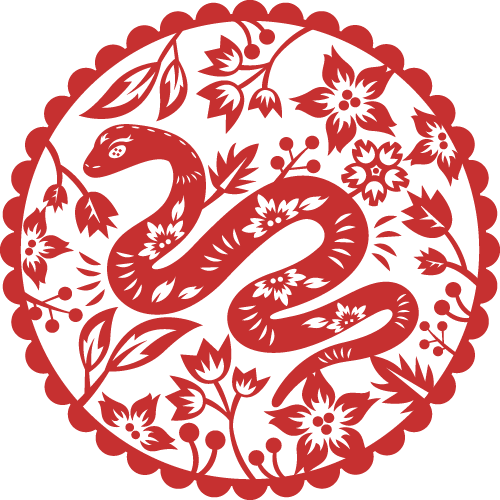
Paper-cutting is a folk art that uses scissors or carving knives to carve patterns on paper. It carries the aesthetic pursuit of the Chinese nation that has gone through thousands of years, and it also embodies the spirit of the Chinese nation that has gone through thousands of years.

It decorates the daily lives of ordinary people, participates in folk rituals during the seasons, and shows the breadth and depth of Chinese civilization within a small area.

Technical characteristics: the artistic language of paper turning as it is cut
The essence of paper-cut art is to use the knife as a pen tool and the paper as an ink tool to present countless images through unique patterns and words.
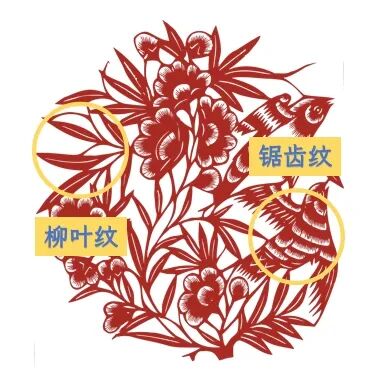
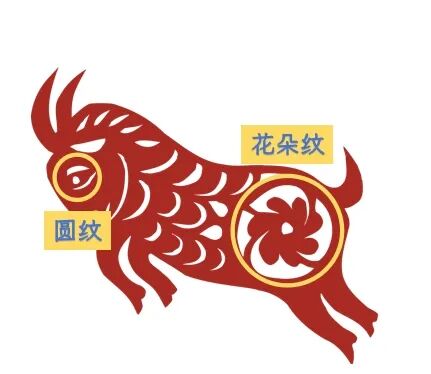
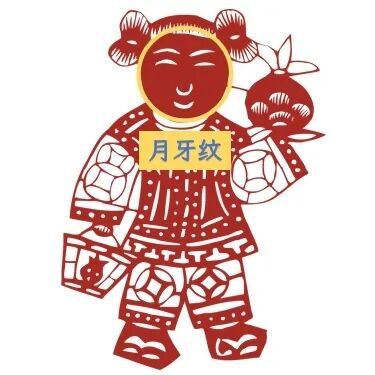
Its basic pattern system is rich and exquisite. The crescent pattern can be long or short, curved or straight, and is very good at expressing the characters' eyebrows, lips, teeth, and the soft curvature of plants; the zigzag pattern uses the changes in length, density, curvature, rigidity, and softness to vividly depict the down of birds, animal teeth, fish scales, and even the edges of petals; although the circular pattern is simple, it appropriately outlines the eyes of characters, animals, and the centers of flowers.
These three basic patterns will be combined with each other, which will be supplemented by willow leaf pattern, swirl pattern, fish scale pattern, cloud water pattern, etc., which ultimately form the unique visual grammar system of paper-cut art.
Historical context: the evolution from hollowing out to paper-cutting
The origin of paper-cutting can be traced back to before the invention of paper in the Western Han Dynasty.
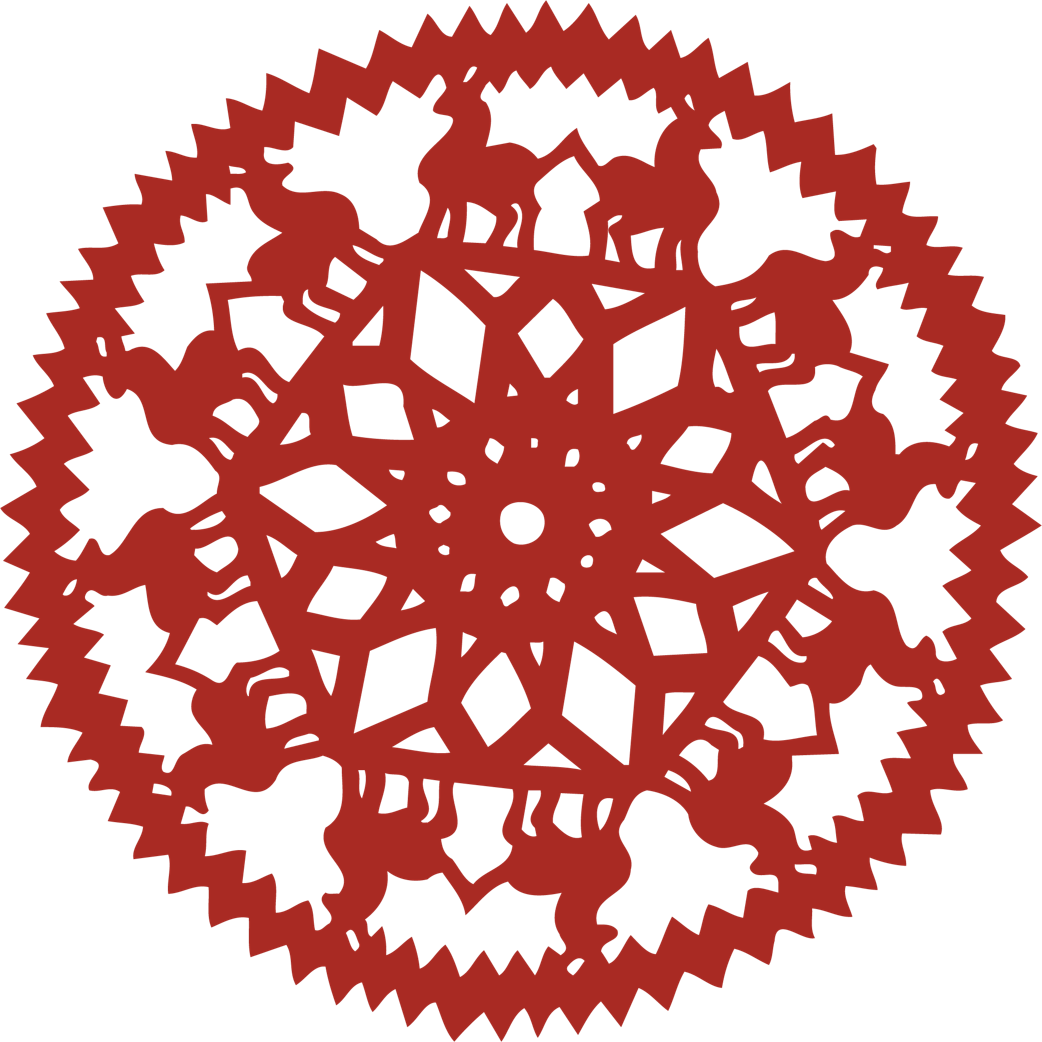
At that time, those craftsmen were already able to skillfully use various techniques such as carving, engraving, cutting out, engraving, and cutting to create hollow patterns on gold foil, leather, silk, and even leaves.
The earliest paper-cut objects discovered so far in China were unearthed in Turpan, Xinjiang. They are five group-flower paper-cuts from the Northern Dynasties. The compositions of these paper-cuts already show exquisite features.
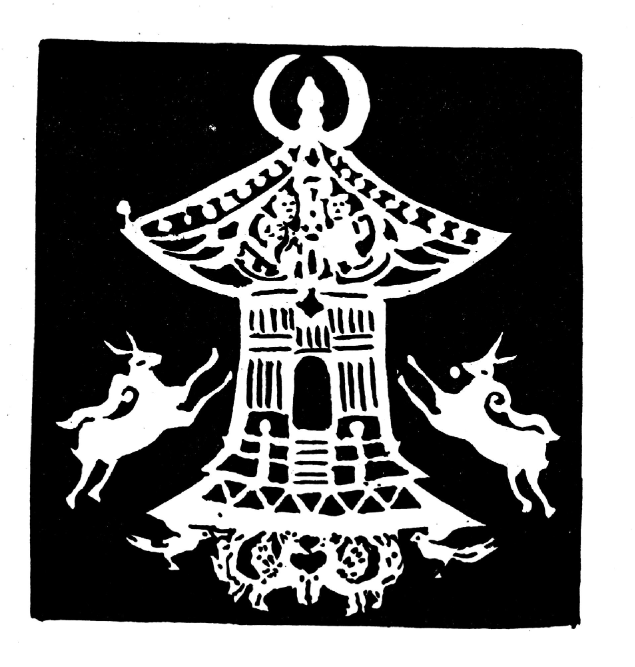
In the Tang Dynasty, the art of paper-cutting reached its peak. The composition of the picture was very complete, creating a very far-reaching artistic conception, which revealed the philosophical pursuit of the unity of nature and man.

During the Song Dynasty, the scope of application of paper-cutting was further expanded. Fireworks, window grilles, lantern decorations and other forms emerged one after another and penetrated into people's lives.
During the Ming and Qing dynasties, the handicraft art of paper-cutting became mature and reached its peak. Different schools and styles appeared in various places.
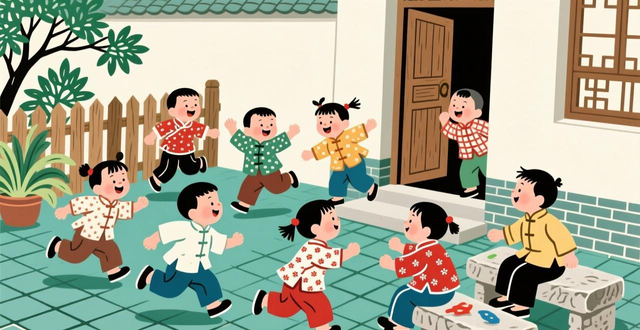
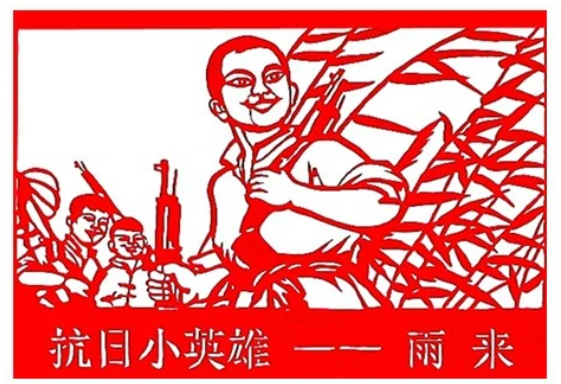
In the 1940s, new paper-cutting that reflected real life began to emerge. After the founding of the People's Republic of China, under the guidance of the policy of "letting a hundred flowers bloom and bringing forth the new", the themes involved in paper-cutting became richer and more diverse. A series of life scenes such as scenes of children playing, scenes of sports competitions, and acrobatic singing and dancing were all vividly presented on paper.
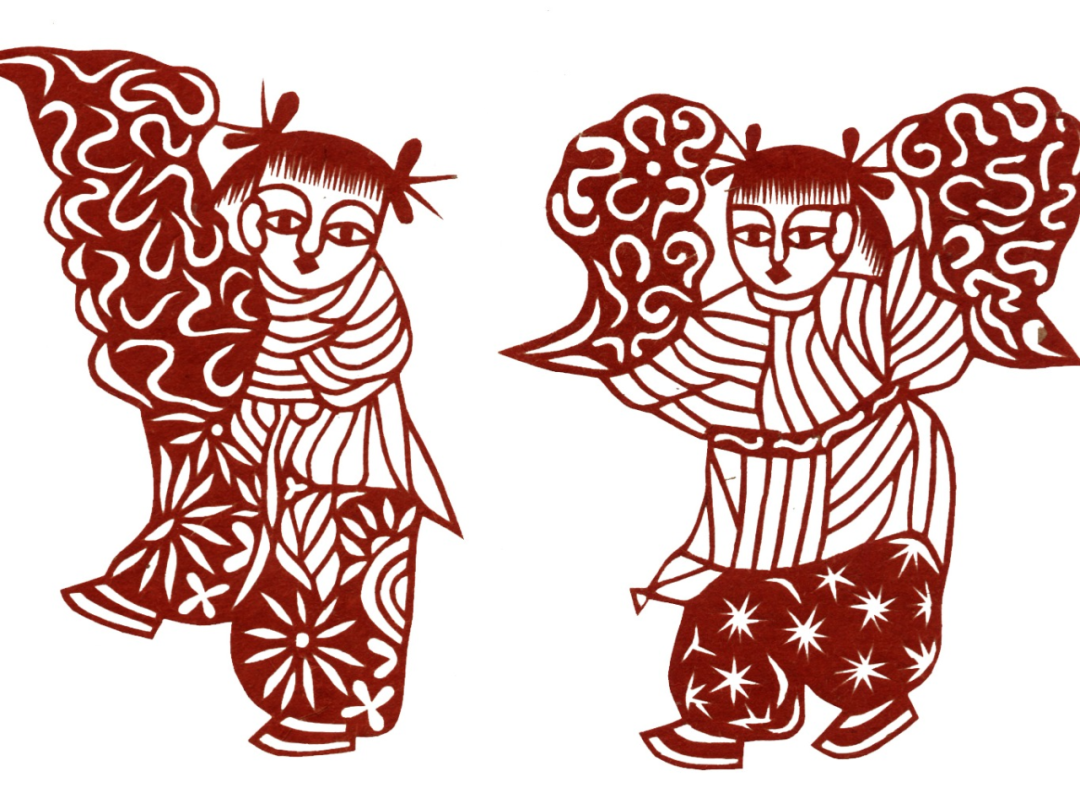
Theme connotation: artistic portrayal of folk life
The theme system of paper-cutting reflects the Chinese people's understanding of nature, reflects the Chinese people's understanding of society, and also reflects the Chinese people's complete understanding of the spiritual world.

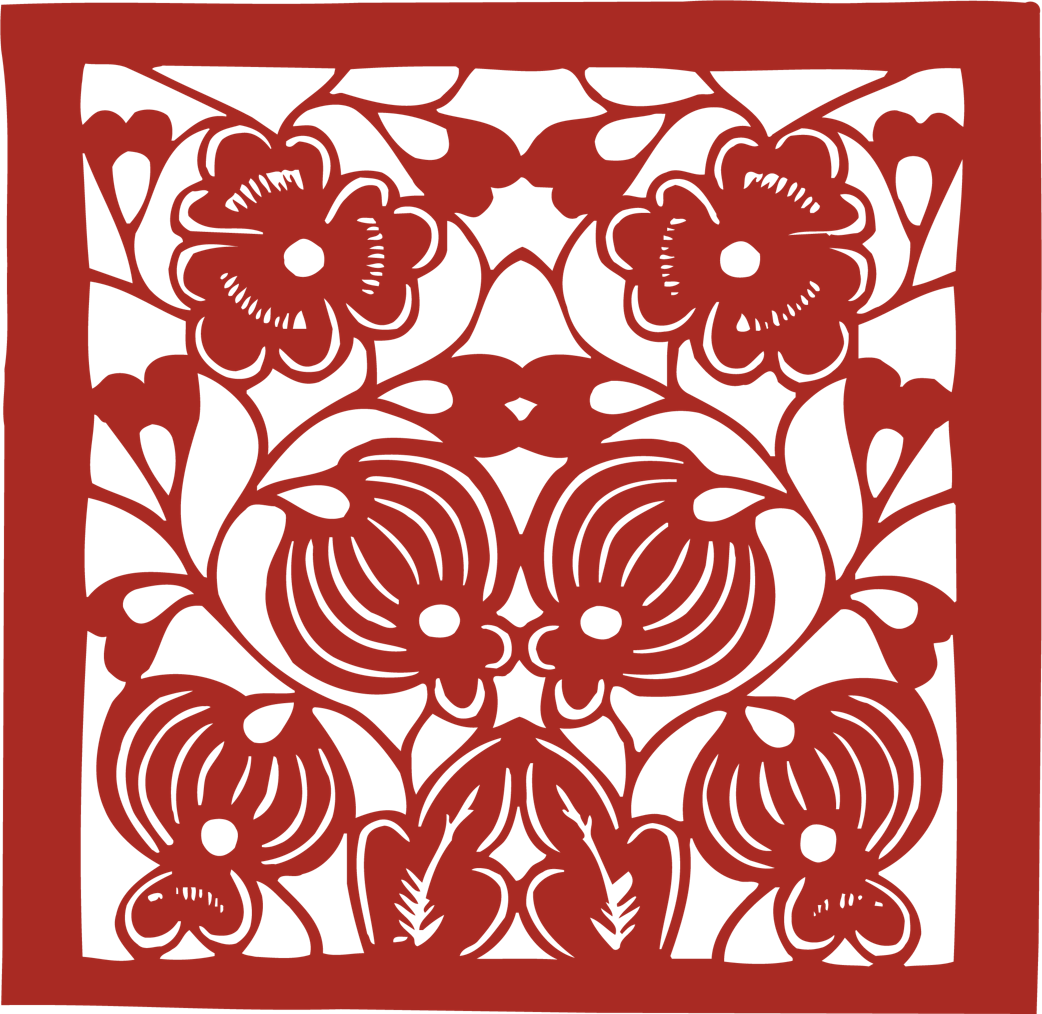
Real life themes include flowers, birds, fish and insects, fruits and vegetables, pastoral scenery, solar terms and folk customs, and are full of simple life.
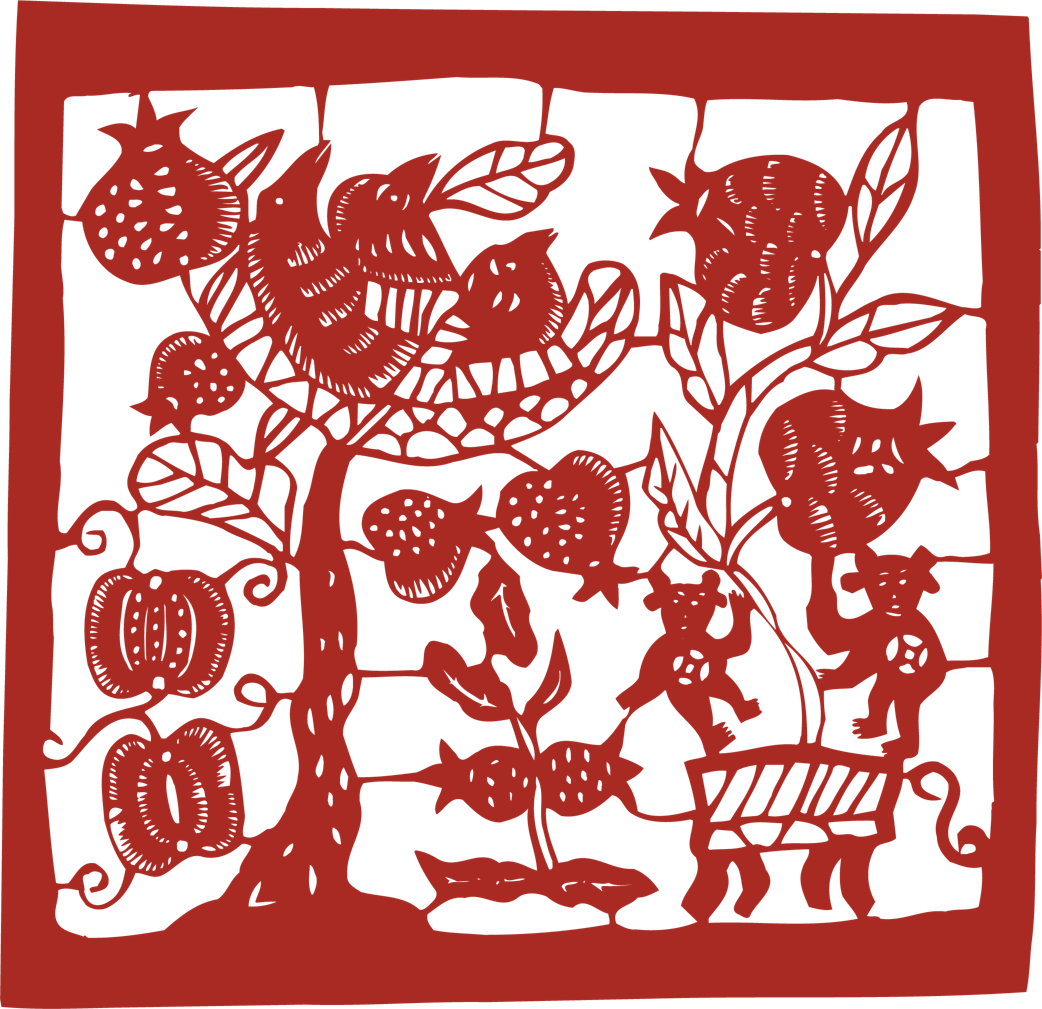
Auspicious themes using homophones, homophones, and symbols are used to express good wishes. The lotus and carp mean "more years to come". The auspiciousness in the clouds is a symbol of the sky. The flat peach represents longevity, the pomegranate symbolizes fertility, and the magpie on the plum blossom indicates that happy events are coming.
Using opera characters and historical legends and story themes, such as "A Dream of Red Mansions", "Eight Immortals Crossing the Sea", and "Chang'e Flying to the Moon", the literary classics are transformed into visual art.
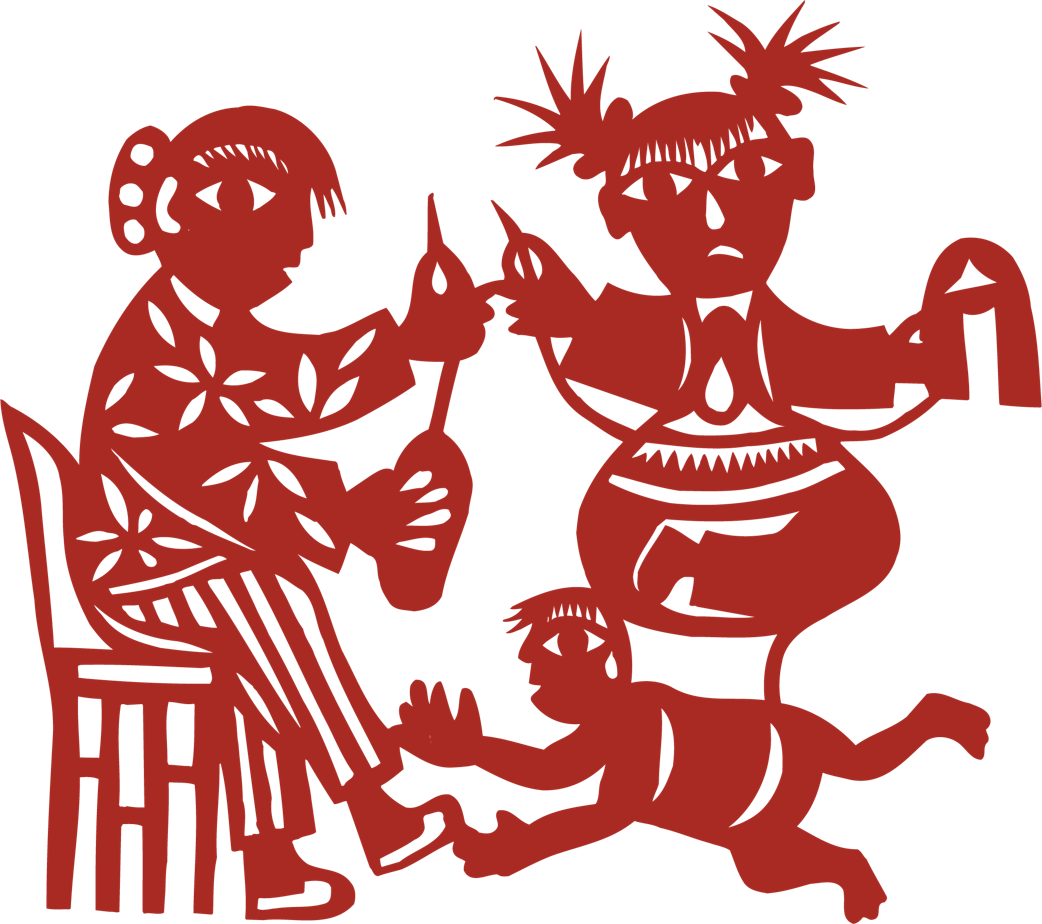
Using sacrifices and religious customs as themes, with the help of various images such as land gods, water gods, tree gods, etc., it conveys the people's full awe and deep worship of natural gods.
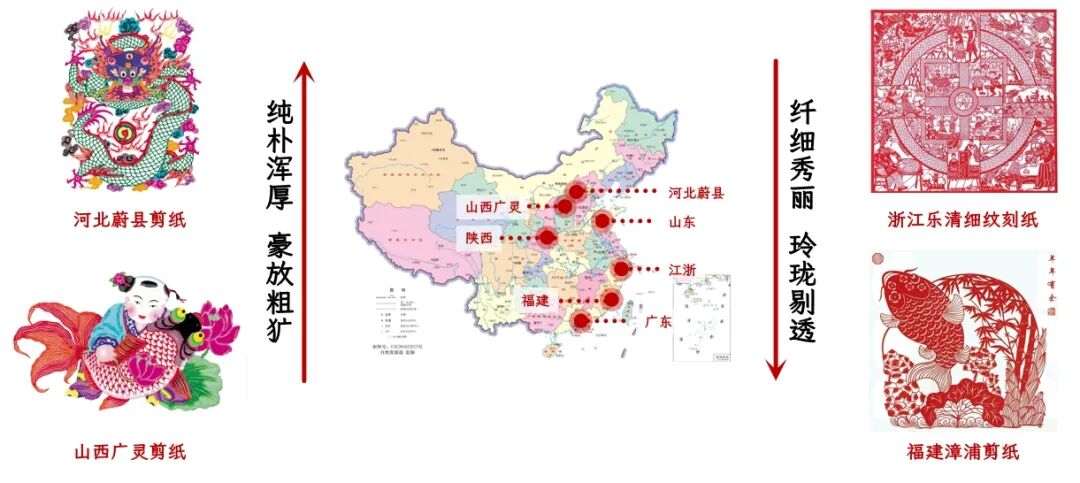
If divided according to region, the seven major schools of Yuxian in Hebei, Guangling in Shanxi, Shandong, Shaanxi, Jiangsu and Zhejiang, Fujian and Guangdong have their own unique characteristics, and together they build a diverse pattern of Chinese paper-cutting.
Inheritance significance: the contemporary value of living heritage
In 2006, the art of paper-cutting was approved by the State Council to be included in the first batch of national intangible cultural heritage lists. In 2009, the Chinese paper-cutting project was selected into the UNESCO "Representative List of Intangible Cultural Heritage of Humanity".
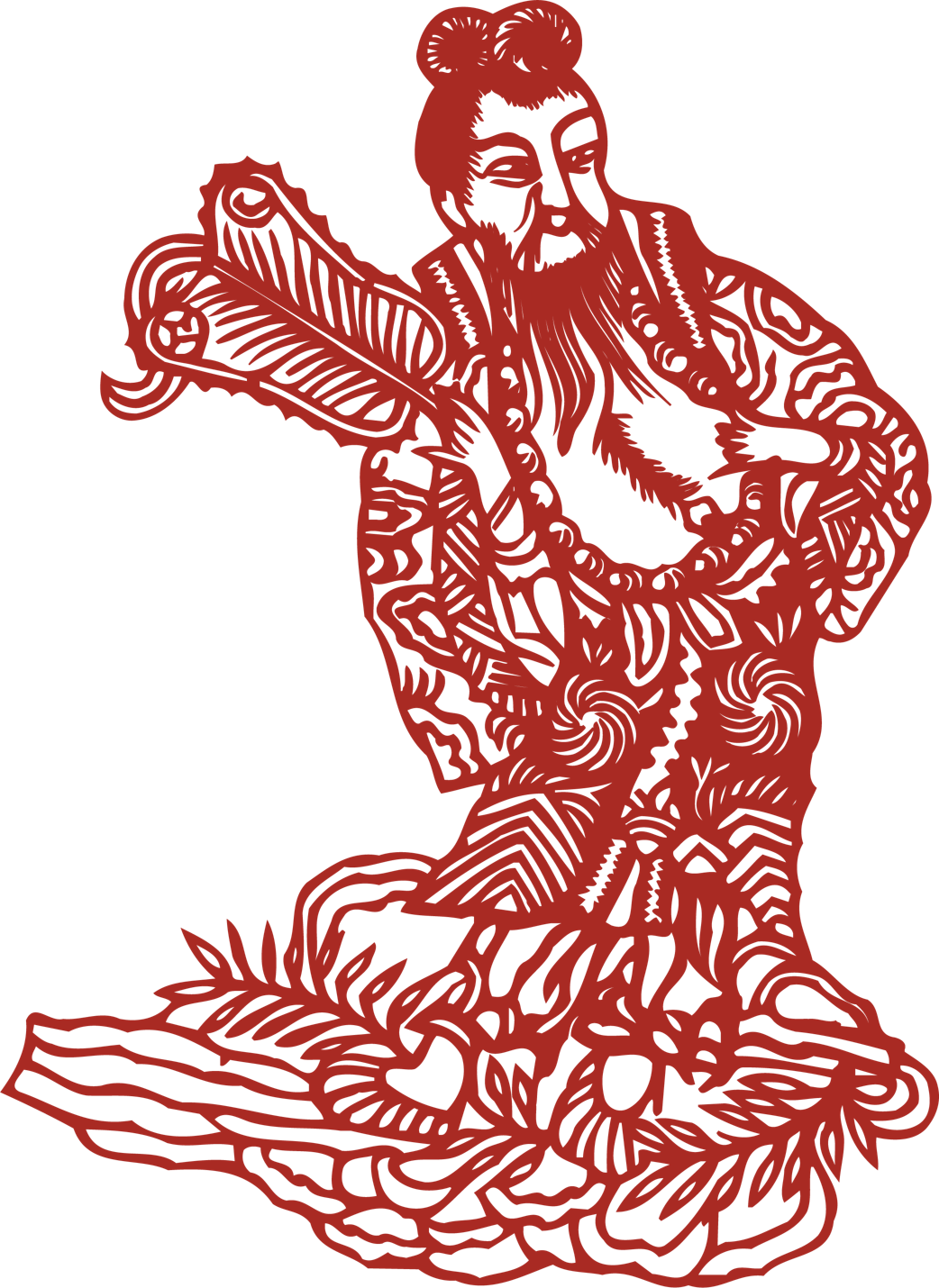
This dual recognition marks that the cultural value of paper-cutting art has been recognized worldwide.
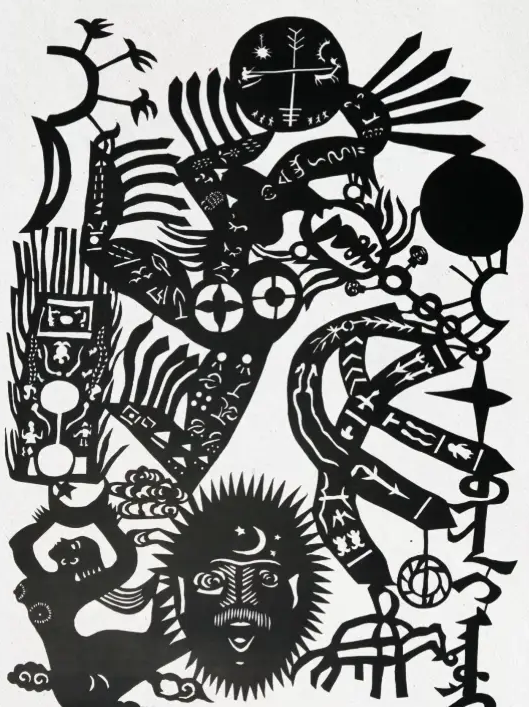
In the Wangjing area of Beijing, the living inheritance of paper-cutting art is flourishing.

The Chuncaoyuan Paper-cutting Club in Nanhu Xiyuan Community has been established for more than ten years. It uses works to decorate community culture and is related to the Shi'an Home Community. There are more than 20 elders in the semi-colon Wangjing Xiyuan District 3 paper-cutting class with an average age of more than 70 years old. They continue to create under professional guidance and incorporate elements of the times. Traditional skills are here; the "Paper Style" paper-cutting class in Huajiadi Nanli Community cooperates with college volunteers to explore innovative ways to integrate paper-cutting and dyeing. The semicolon Furong Street community paper-cutting class has been established for almost 20 years. It has participated in many major celebrations and presented the charm of intangible cultural heritage with its exquisite works.
These grassroots paper-cutting societies continue to carry out activities, which not only allows the vitality of this ancient skill to be continued, but also allows the art of paper-cutting to continue to play its important function in contemporary society, that is, to unite the emotions between communities and pass on cultural memories.
A pair of skillful hands, holding a pair of scissors, cuts several pieces of red paper and changes them in the hands of many paper-cut inheritors. They still tell the story of the past of the Chinese nation and continue to convey the endless pursuit of a better future life.
Comments NOTHING