
The morning fog on the Bolofin Plateau has not yet cleared, and the coffee cherries in the volcanic soil have quietly turned red.
Pick one and you can taste the charm of the mountains and forests of Laos - where there is the heat of the sun, the sweetness of the rain, and the mellowness bred from thousands of years of volcanic ash.
This is the first gift Laos gives to travelers.
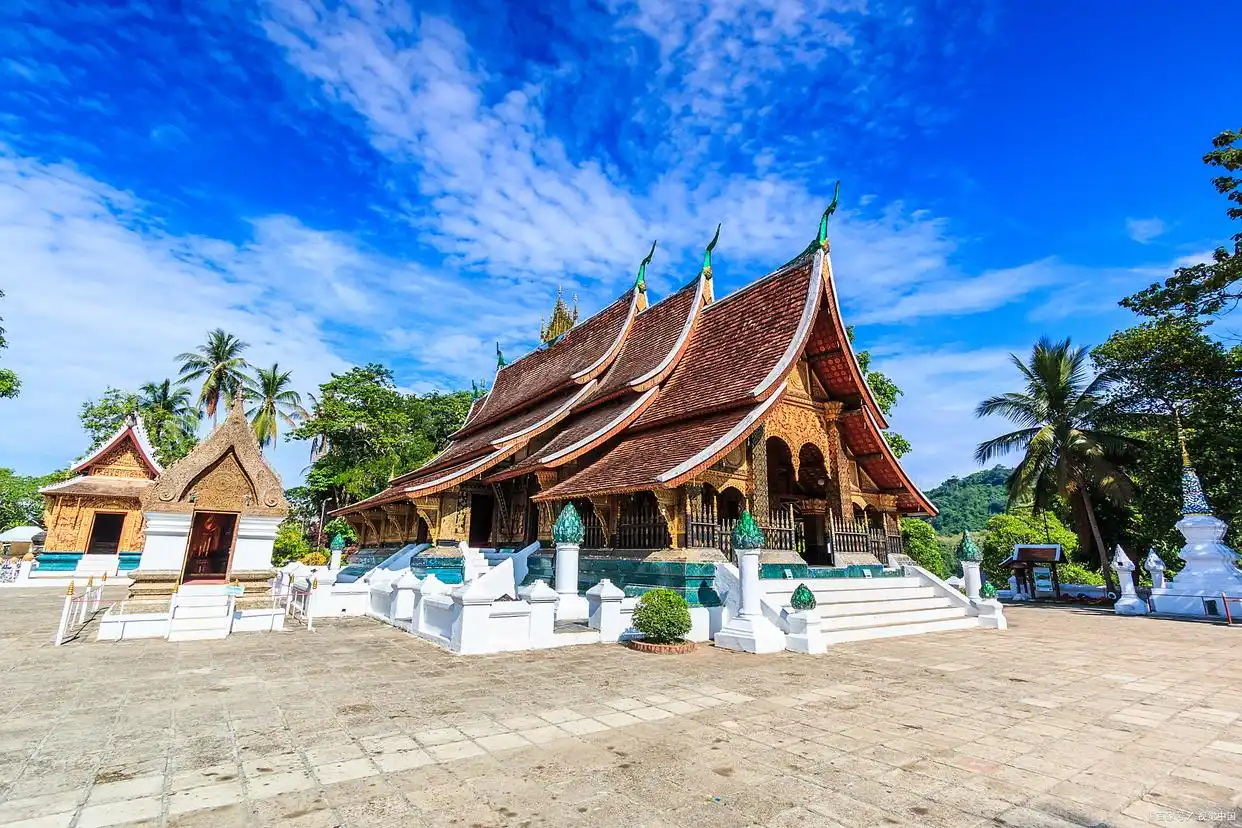
If you have ever woken up in the early morning in Luang Prabang, you will never forget the aroma of coffee wafting from the street corner.
Arabica beans, belonging to the Bolofin Plateau, grow slowly in the volcanic soil and absorb sufficient nutrients from the earth.
Bringing home a bag of locally roasted coffee beans is like bringing back a slice of Laos’ morning light.
When engaging in the action of grinding, the aroma can instantly awaken the memory of the journey; after completing the action of brewing, the clouds and sunshine of the southern plateau are hidden in the amber liquid.
When giving it to a friend, it can be expressed like this: "It is like a different smell brought by the mountains and forests of Laos, and I want to use it to enjoy a morning time with you."
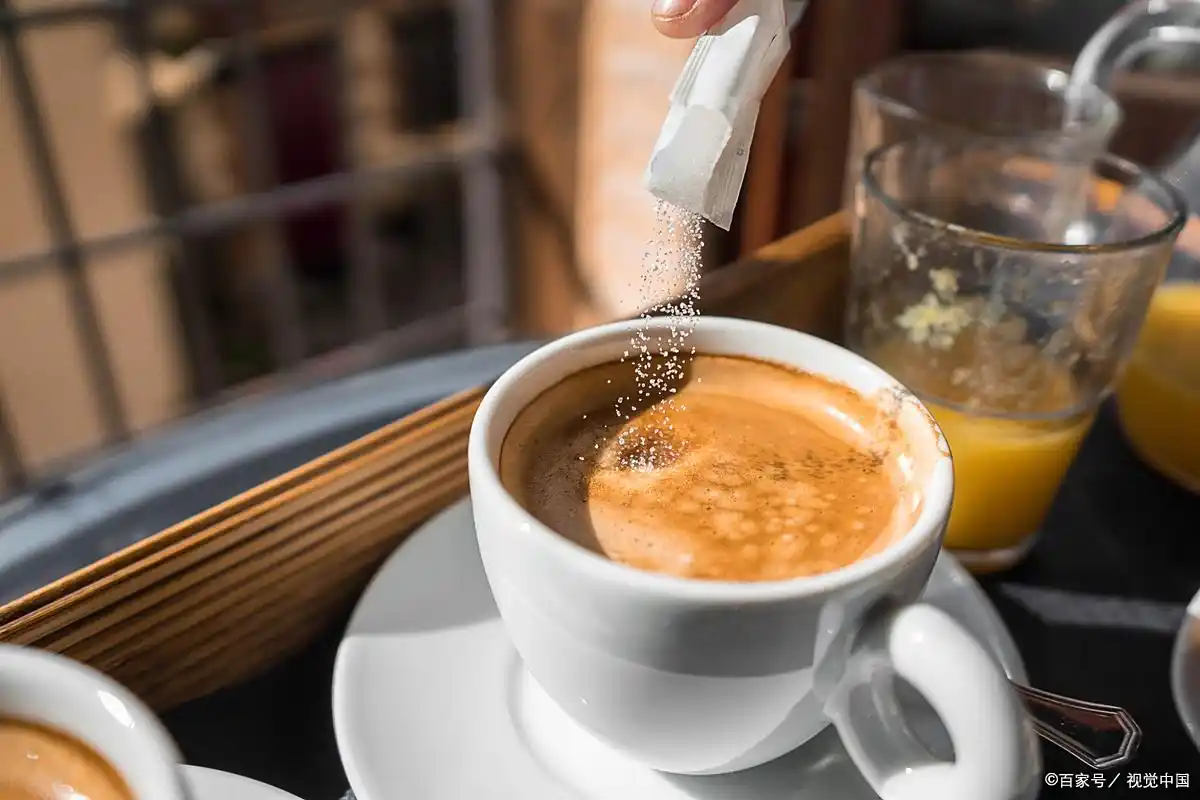
The softness of the fabric comes from the richness of the coffee. In the villages in northern Laos, the sound of the looms never stops.
Women of the old tribe use techniques passed down from generation to generation to dye cotton and linen into indigo, cotton and linen into ocher, and cotton and linen into turmeric, and these colors are extracted from mountain and forest plants.
There is a hand-woven scarf. If there is a pattern on it, it may show a relatively simple grid, or it may depict those particularly complex elephant patterns and dragon patterns. Each of these patterns tells the ancient legend in a silent way.
Its texture is light and soft. It can be draped on the shoulders to protect against the cold, or it can be spread out and hung somewhere on the wall to become a scenery.
When you give such a scarf to relatives and friends, what you give is not only warmth, but a touchable and specific time in Laos.
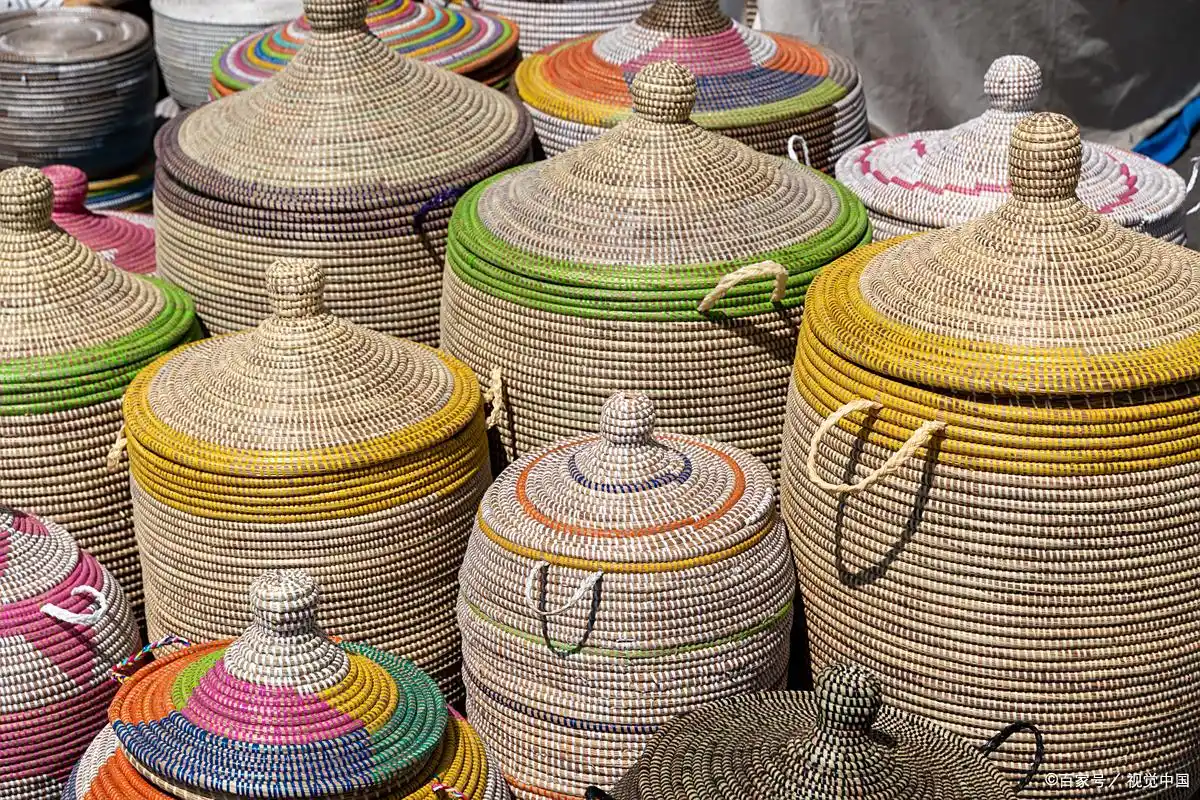
If scarves are the skin of Laos, then rice wine is the character of Laos.
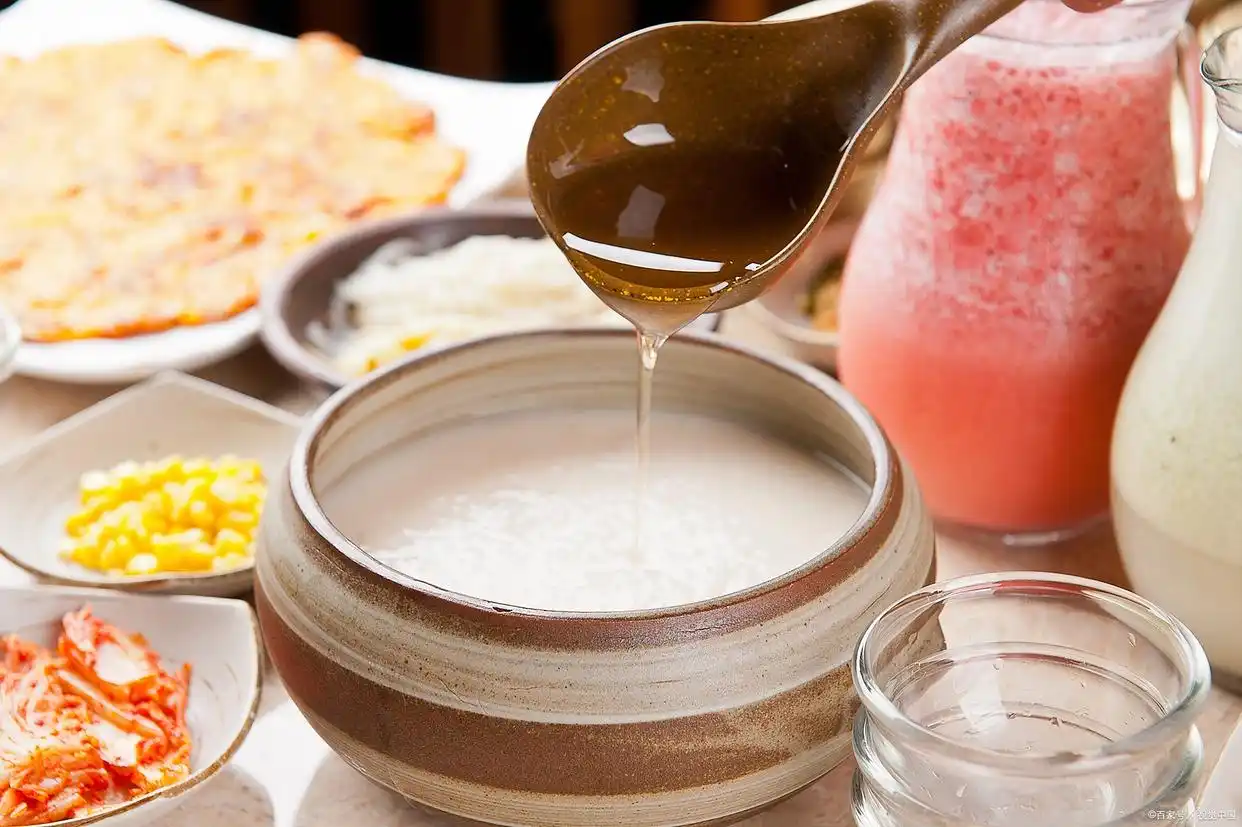
This kind of liquor made from fermented and distilled glutinous rice is called "Lao Lao" by the locals.
It is not as aggressive as spirits. When you enter the mouth, it has the sweet taste of glutinous rice, but the aftertaste shows the characteristics of long and gentle.
Laotians are accustomed to drinking it with wild honey, and the sweetness and strongness go together in the cup, just like this country with a gentle and gentle appearance and a tenacious and unyielding character.
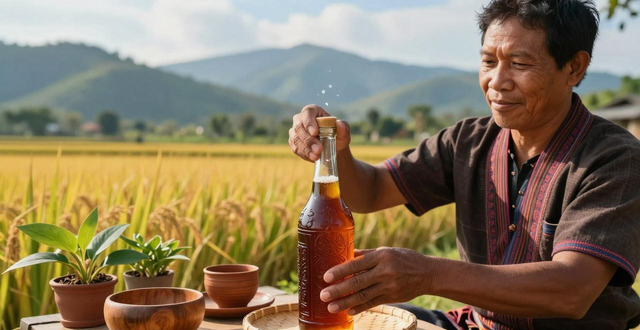
Bringing a bottle of rice wine that is truly brewed using ancient methods back home, and opening it at the most important moment, every time you taste it is a tribute to the rural life in Laos.
If you give this to others, you can consider adding this sentence: "This is the national wine of Laos, mix it with some honey, and then taste it slowly."
After three rounds of drinking, when you look at the lampshade made of mulberry paper under the lamp, you will find that the light and shadow show warmth.
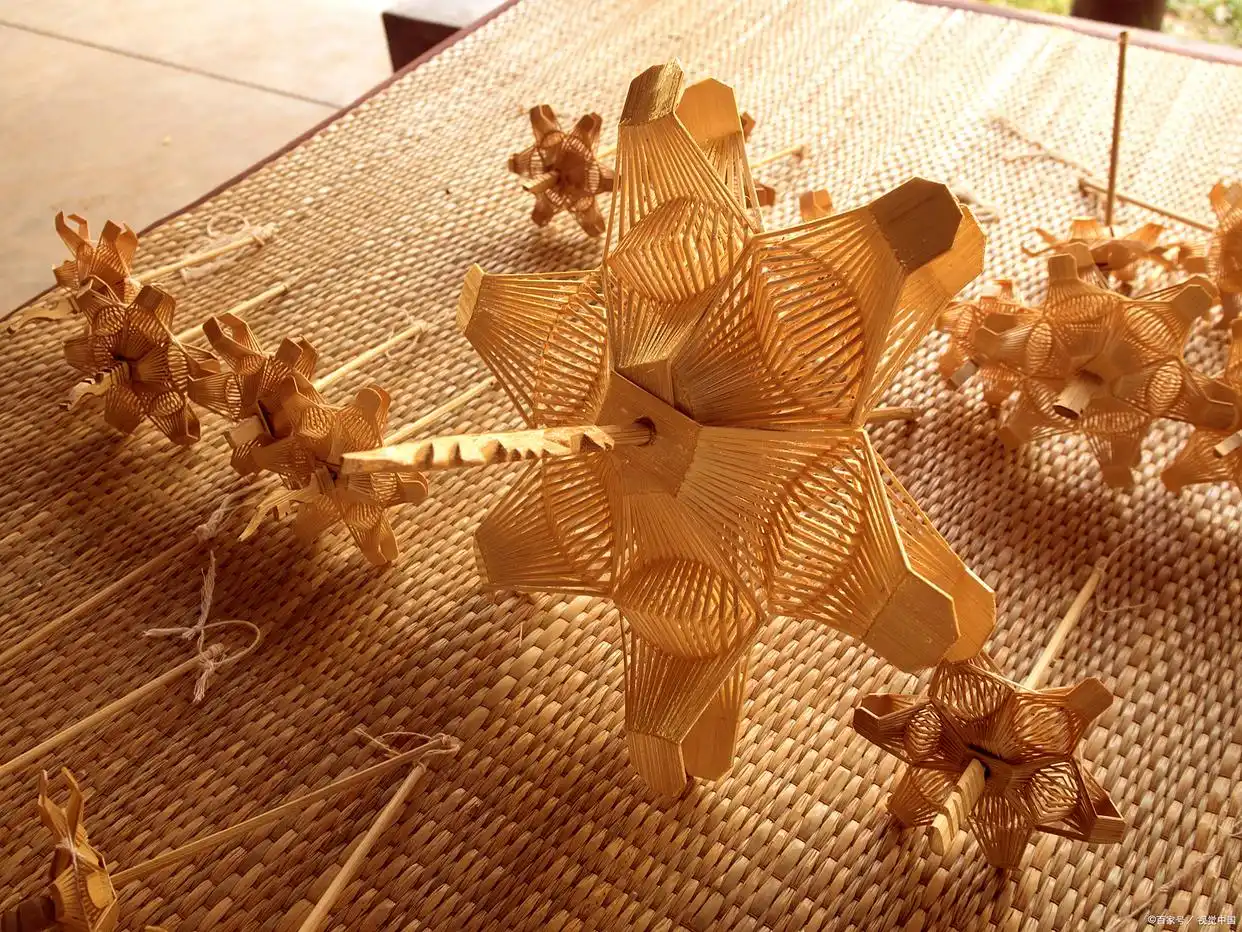
The Laotians use ancient papermaking techniques to pound the bark of paper mulberry tree into pulp, and then cleverly embed petals and leaves into it, giving each piece of paper unique and unique qualities.
After being made into a lampshade, the light shines through the veins of the petals, filling the room with a natural atmosphere.
There are also notebooks made of this kind of paper, fans made of this kind of paper, and paintings made of this kind of paper. Its simple texture has a Zen feel, making it the most peaceful decoration in the study.
Giving a mulberry paper lantern is giving the other person a room of moonlight.
Don’t forget Luang Prabang’s silverware.
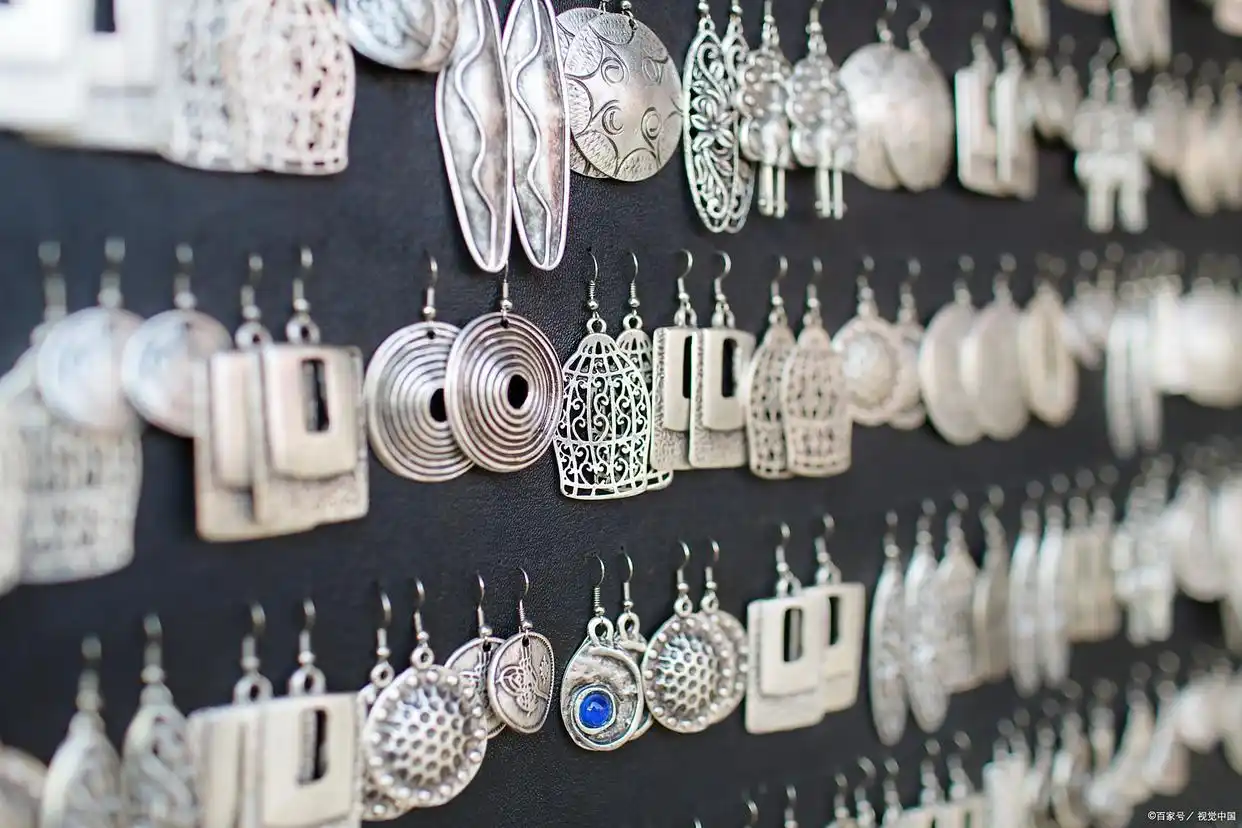
In the streets and alleys of this ancient city, you can always hear the sound of silversmiths hammering.
In the hands of the craftsmen, sterling silver slowly takes shape. Some become earrings with lotus patterns, some become pendants with the image of Buddha, and some turn into silver bowls engraved with mythological stories.
Each piece of silverware must go through the process of melting silver, then forging, then engraving, and then polishing, which takes many days and may even take weeks to complete.
They are not just ornaments or utensils, they are condensed over time, and are pious objects flowing from the fingertips of the craftsman.
When you give such a heavy silverware to someone you cherish, what you give is an eternal blessing, just like the Lao people's belief in Buddhism, which is pure and firm, and will last forever.
There is a bag of coffee, a scarf, a bottle of rice wine, a mulberry paper lamp, and a piece of silverware, which together piece together a complete Laos.
There is the sunrise scene on the plateau, the sound of looms in the village, the aroma of wine in the rice fields, the light and shadow scenes in the temple, and the focused eyes of the craftsmen.
Bringing these home brings back a Laos that can be touched, a Laos that can be tasted, and a Laos that can be worn.
When you give them to friends far away, what you give is a gentle story about this land, a narrative.
Comments NOTHING