

Northern Shaanxi paper-cutting: the code of civilization and living inheritance in every square inch
"Small scissors, you can cut the sharp end, you can cut all kinds of stories; the top cut is like a god, the bottom cut is like an immortal, it is easy to bloom but difficult to cut flowers..." Such a folk song circulated in the Loess Plateau of northern Shaanxi vividly outlines the soul of an ancient skill.
Paper-cutting is one of the most popular and vital types of folk art in China. It is not only a visual creation using knives and scissors as pens and paper as silk, but also an intangible cultural heritage that contains profound national memory and philosophical speculation.
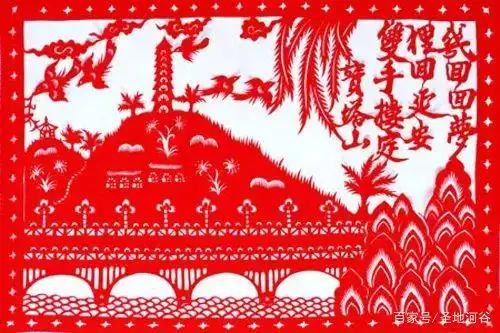
Tracing back to the origin of paper-cutting art, in fact, it is a history of civilization in which human hollowing out skills and materials continue to evolve.
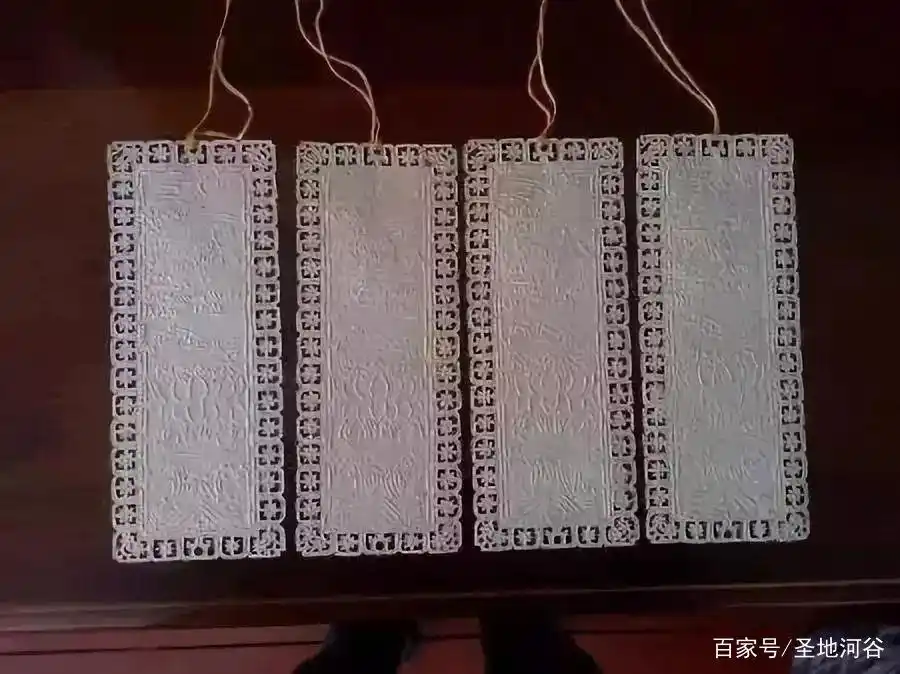
Long before the emergence of paper, our ancestors had already made hollow carvings on bronzes, animal skins, gold foil, and silk, using this method to record events and express their feelings.
The aesthetic pursuit of "transparency" paved the way for the birth of paper-cut art in the future, and the aesthetic pursuit of "emptiness" also paved the way for the birth of paper-cut art in the future.
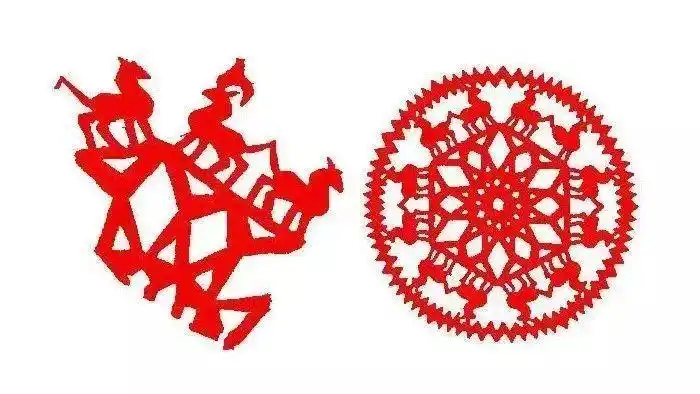
Some archaeological discoveries have provided conclusive proof of this period of history: In the ancient city of Gaochang in the Turpan region of Xinjiang, five group-flower-style paper-cuts from the Southern and Northern Dynasties were unearthed. These paper-cuts date back more than a thousand years. They have very clever folding methods and symmetrical structures, which proves that the paper-cutting skills at that time had reached a very mature level.
During the Tang Dynasty, the poet Du Fu wrote a poem such as "Warm water washes my feet, paper cutting awakens my soul." This verse further confirms that paper-cutting has begun as a mere decorative record. It goes deep into the realm of folk beliefs. It also goes deep into the level of spiritual comfort.
During the Song and Yuan Dynasties, as the papermaking industry flourished and the citizen economy prospered, practitioners of paper-cutting appeared in literature, and their application scope further expanded to include "window flowers", "fireworks", and even porcelain decoration, achieving a leap from skill to industry.
During the Ming and Qing dynasties, the art of paper-cutting developed toward its peak. Its patterns widely penetrated into all aspects of life art such as lanterns, fans, and embroidery, and finally became an indispensable background in folk aesthetics.
In this long historical picture, Northern Shaanxi paper-cutting, relying on its unique geographical and cultural genes, is in a key position to inherit the past and open up the future.
It has the rough and majestic style of northern paper-cutting, showing the characteristics of freehand and bold. At the same time, it does not lack the craftsmanship and meticulousness of southern paper-cutting, thus forming an artistic trait, that is, a combination of hardness and softness, simplicity and agility.
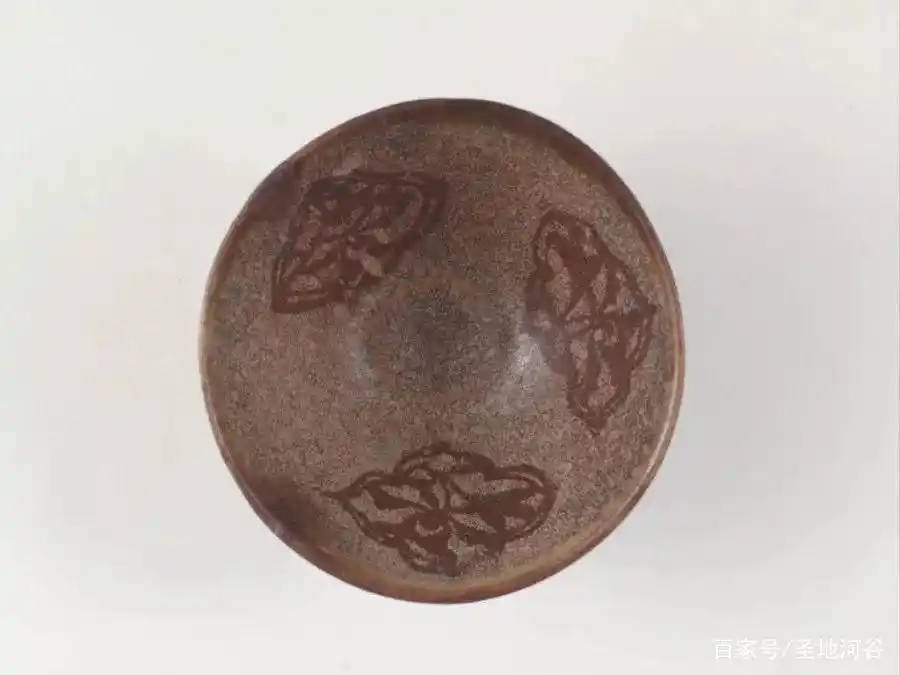
Its value goes far beyond the scope of visual form, and it is regarded by the academic community as a cultural "living fossil" containing multiple connotations such as philosophy, aesthetics, archaeology, and ethnology.
The theme system of paper-cutting in northern Shaanxi can be called an encyclopedia of civil society.
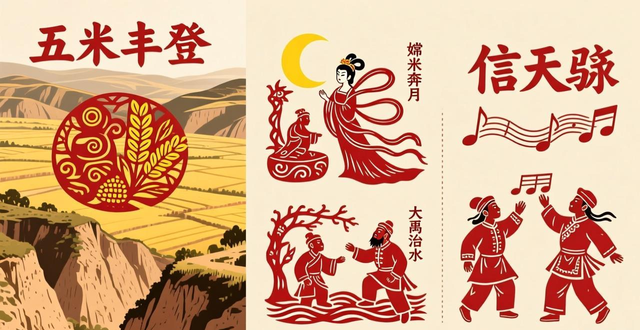
Starting from the traditional totem that contains such a beautiful vision of praying for a good harvest and full of expectations for a prosperous life, it has gone through the stage of grand narratives such as recording myths and legends with rich fantasy content and complicated historical stories, etc., and then developed to the stage of improvisation that directly expresses inner thoughts and emotions, and complements and highlights each other with "Xintianyou" folk songs. Each work is deeply rooted in the daily life and the unique spiritual world of the Loess Plateau.
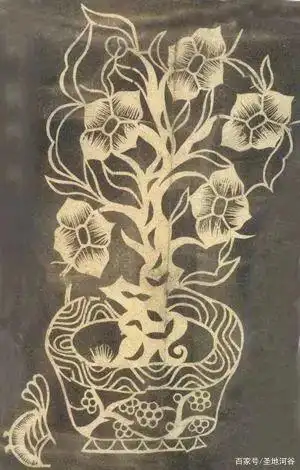
The "aunts" who create these works often have no special training in art. However, they rely on the aesthetic intuition passed down from generation to generation. Amidst the constant turning of the scissors and the rustling sound of the paper, they transform their inner emotions and memories into a highly vital artistic language.
This kind of creative technique is full of original tension and metaphorical connotation of symbolic representation, which makes the work have a perceptual warmth on the one hand, and an order within the rational category on the other hand.
Paper-cutting plays an indispensable ritual role in the folk customs of northern Shaanxi.
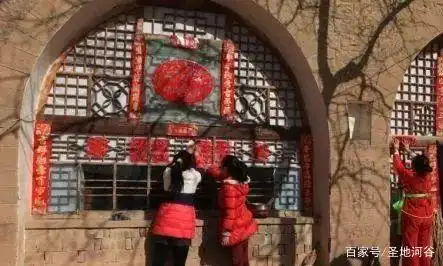
During the Spring Festival, the window lattice of each cave dwelling is covered with brightly colored window grilles. This not only dispels the desolation of winter, but also entrusts the vision of saying goodbye to the old and welcoming the new.
In the wedding bridal chamber, the "happy flower" with profound meaning serves as a carrier. It carries simple wishes for the reproduction of life and also carries simple wishes for family harmony.
These paper-cuts are not only decorations, but also serve as spiritual ties that connect individuals and families, families and society, the secular and the sacred. They also convey the uninterrupted atmosphere of fireworks.
Entering the contemporary era, the inheritance and development of paper-cutting art has been given a new mission.
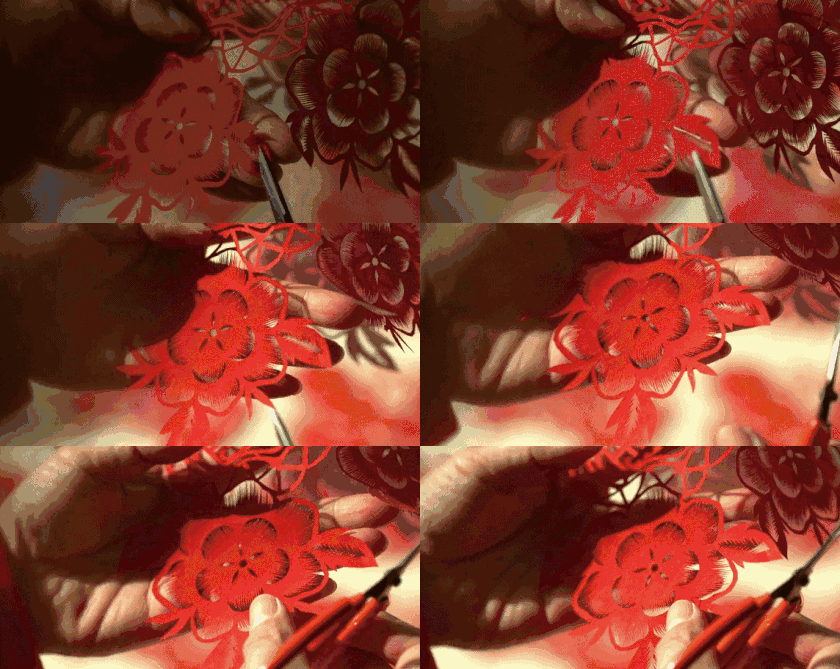
In 2009, Chinese paper-cutting was successfully included in UNESCO's "World Intangible Cultural Heritage List", which marked that its cultural value has been recognized globally.
The inheritance group, led by paper-cutting artists in northern Shaanxi, has begun to move beyond the borders of the country, bringing this earthy skill to various parts of the world, achieving a leap from rural folk customs to a common cultural treasure for all mankind.
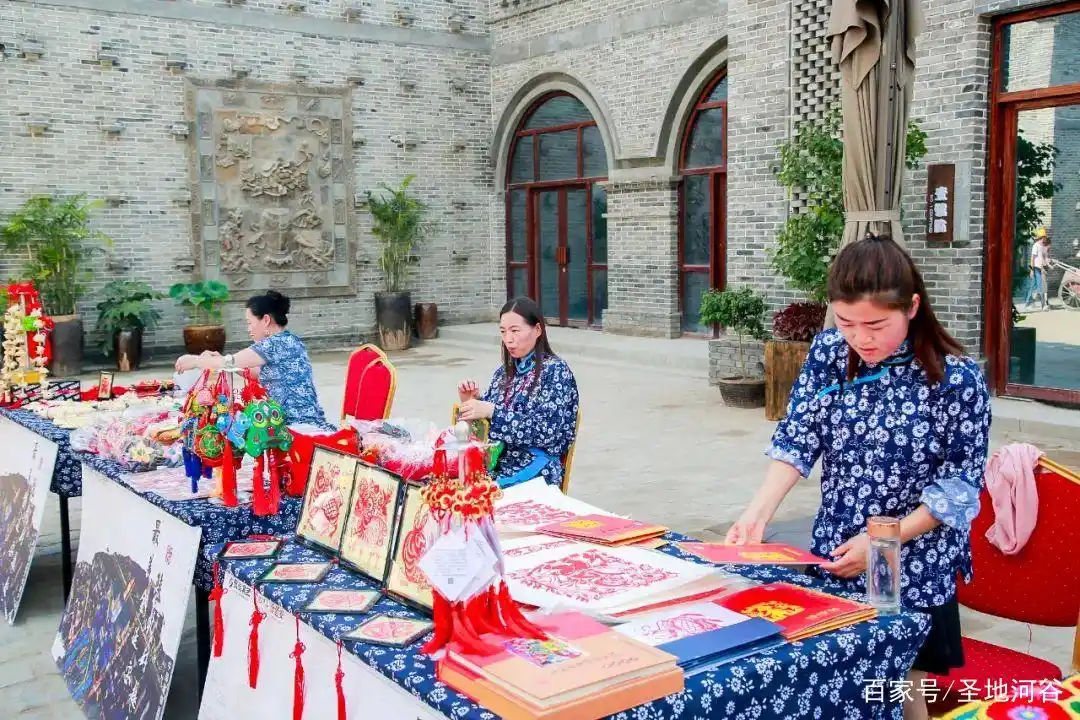
In the current northern Shaanxi region, places like the Holy Land Valley and Jinyan'an are focusing on building a stage for the living inheritance of this traditional skill.
Through centralized exhibitions and interactive experiences, the public can experience the exquisite skills and unique charm of paper-cutting at a closer distance, thereby promoting this ancient artistic language to continue to tell the stories of Chinese people's lives and their spiritual pursuits in the contemporary environment.
For northern Shaanxi, the value of paper-cutting does not only exist in the dialectical relationship between the ease of "cutting flowers" and the difficulty of "flowering", but more importantly, it has become a vivid footnote to the continuity, innovation and inclusiveness of Chinese civilization, and it is also the cultural code flowing in the blood.
Comments NOTHING