
The Soul of Sichuan Cuisine: The Home-cooked Code and Authentic Flavor of Twice-cooked Pork
Exploring Bashu: A "food artifact" that travels through time and space
In Sichuan, as well as in the food field of the entire southwest region, when it comes to which dish can definitely comfort the hearts of the general public, twice-cooked pork must be the undisputed and well-deserved "signature dish" that occupies the first place.
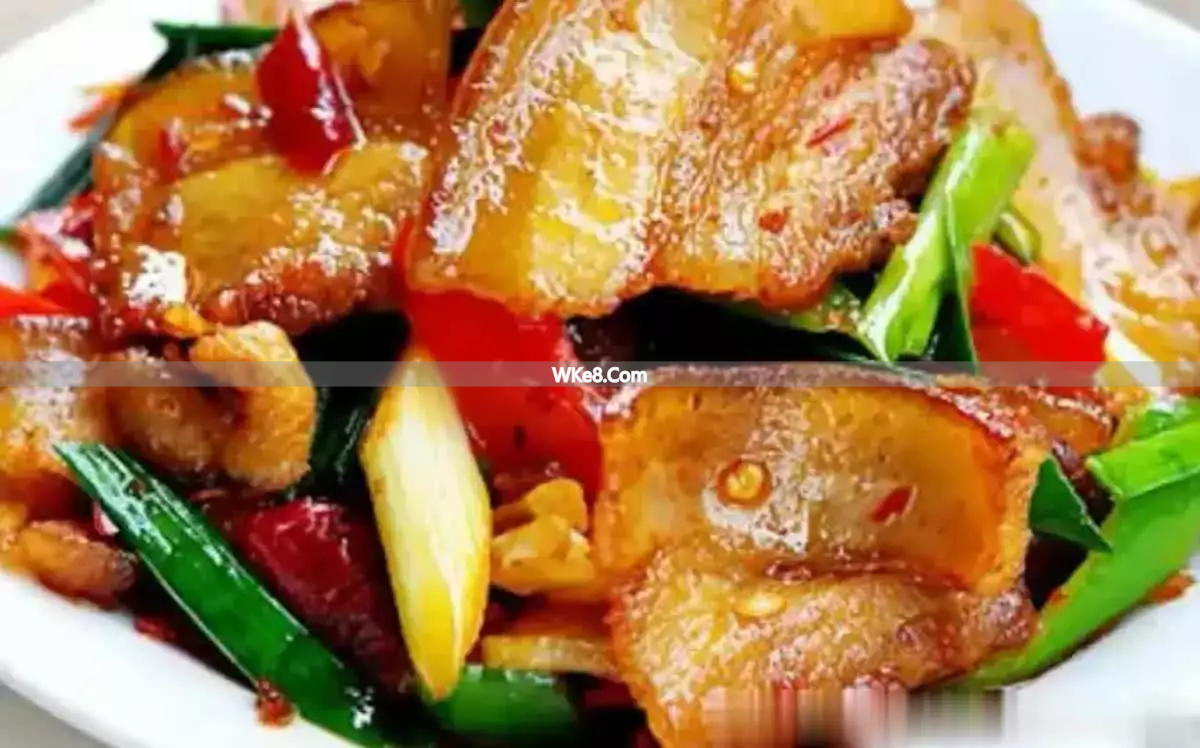
This home-cooked Sichuan dish may seem unremarkable, but it is not only a signature dish that attracts customers in street restaurants, but also a warm and beautiful memory that countless families always retain at the dinner table.

It carries a strong Sichuan cuisine culture and has a unique flavor that is salty, slightly spicy, fat but not greasy. It has become a veritable "rice killer" and people will never get bored eating it.
Tracing the classics: “Landmark delicacies” from the folk
The history of twice-cooked pork is a vivid history of the evolution of Sichuan cuisine .
It originated from the Sichuan folk method called "oil stir-fried pot". In ancient times, the so-called meat was cooked and then returned to the pot for stir-frying, thereby stimulating a deeper fat aroma.
This word "Hui" is the essence of this dish.
During that period of relative scarcity, twice-cooked pork became a delicacy used by the working people to replenish their physical strength due to its rich flavor and satiating properties. As time passed, it evolved into a local specialty snack that every household in Sichuan could make and everyone loved to eat.
It is not just food, but also a profound regional food logo. This logo records the fireworks of life in Bashu, a land full of life.
The beauty of material selection: laying the foundation for “authenticity”
To create an authentic plate of twice-cooked pork , selecting ingredients is the first threshold.
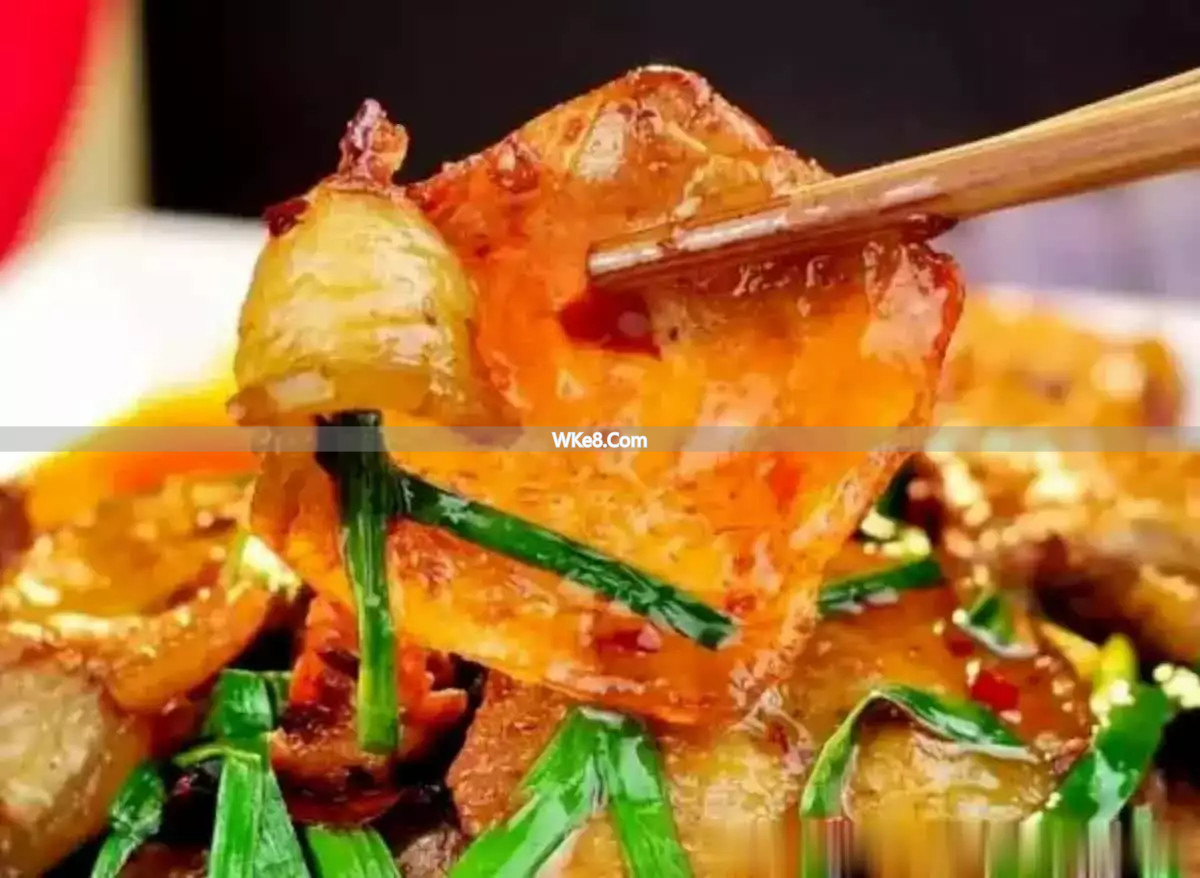
To make authentic twice-cooked pork, you must first use the "second cut meat" of local Sichuan native pigs. That is, the meat after removing the tail from the pig's buttocks is called the second cut meat. This part of the meat has the characteristics of alternating fat and thin, and the proportion is just right. It is usually called "four fat and six thin". After frying, it can naturally curl into a very beautiful "lamp nest".
If it is difficult to find, evenly fat and lean pork belly is also an excellent substitute.
The key point is that you must wear the skin, because this layer of skin is rich in colloid, which is the key to creating a soft, waxy and elastic taste in traditional production processes.
The combination of vegetables is also very particular. There is one ingredient that is a soul mate. This ingredient has a unique spicy aroma that can perfectly blend with the aroma of meat to form a classic flavor. It is garlic sprouts (green garlic).
If the season is not suitable, green peppers can produce different styles of twice-cooked pork, onions can also produce different styles of twice-cooked pork, and garlic sprouts can also produce different styles of twice-cooked pork. However, the authenticity is still missing.
The essence of craftsmanship: the key to unlocking “fat but not greasy”

The traditional production process of twice-cooked pork seems simple, but in fact it is full of tricks.
The first is the "cooking" effort.
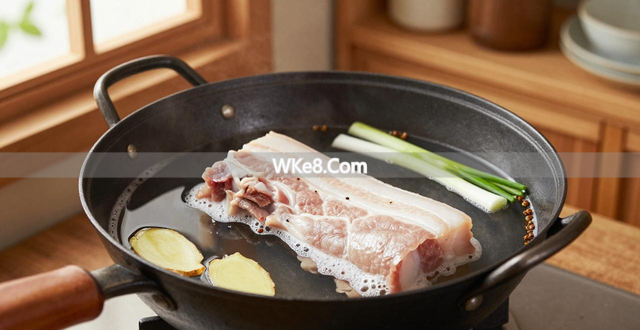
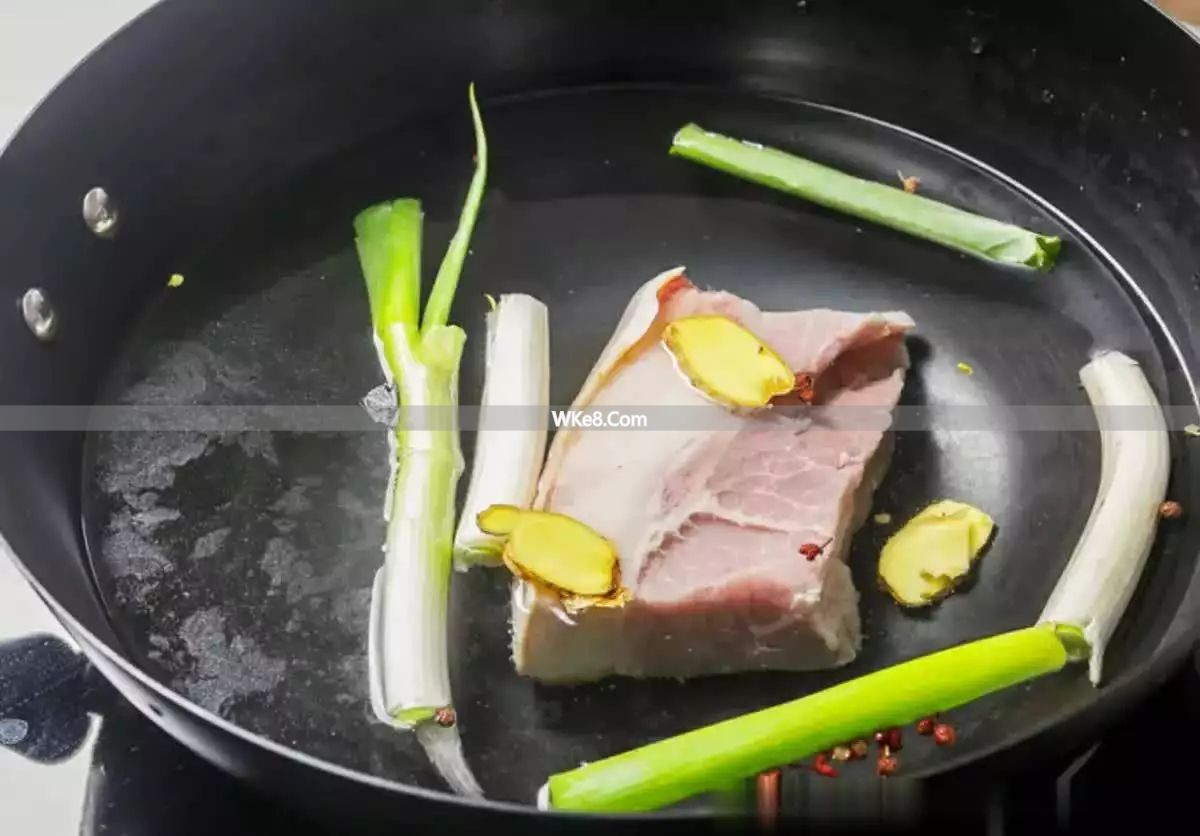
Place the whole piece of pork in a pot under cold water, add ginger slices , green onion segments and Sichuan peppercorns , and cook until about half done.
What does medium rare mean?
When using bamboo chopsticks to penetrate the meat skin, there will be a slight resistance. At this moment, the meat is just in a fresh state, and the internal freshness is still retained.
Be careful not to cook it for a long time until it is fully cooked and soft, otherwise the slices will be easily broken and the taste will be lost.
After the piece of meat is taken out, let it cool naturally, and then cut it into large and thin slices of meat, as thin as paper. Only in this way can the slice of meat be heated evenly, and then curled into the shape of a lamp.
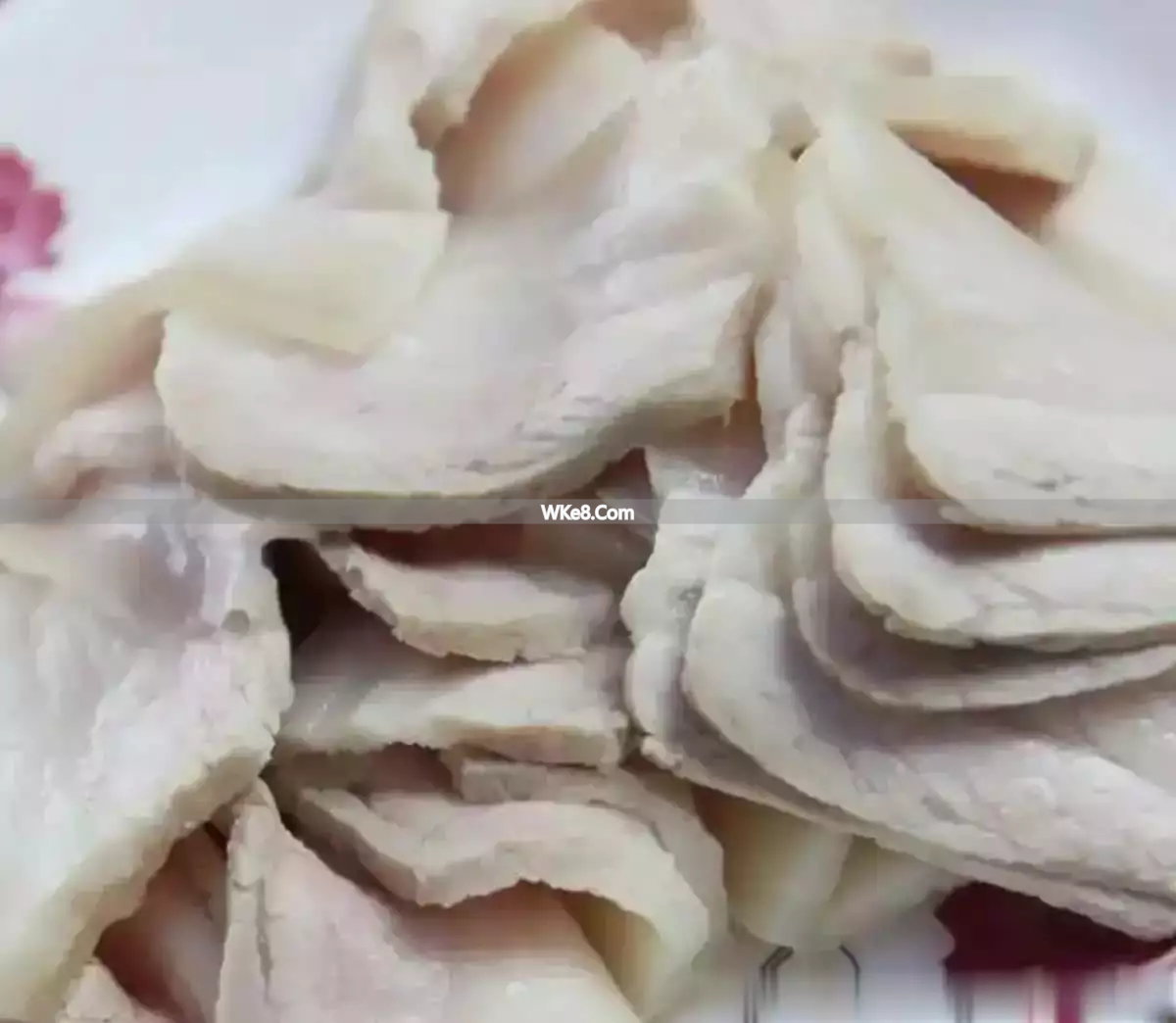
Next comes the technique of “frying,” which is a key step in shaping the core flavor of twice-cooked pork. Only after this step will the unique flavor of twice-cooked pork emerge.
Heat a little oil in a pan, add the meat slices, and stir-fry slowly over medium heat.
This is the magical process of forcing out excess fat and achieving a "fat but not greasy" taste .
As the temperature rises, the meat slices gradually become transparent, the edges are slightly curled, and clear lard oozes out.
At this time, the air was filled with a rich aroma of fat.
Next, turn the meat slices to one side and use base oil to sauté the Pixian bean paste until fragrant. This is the soul of Sichuan cuisine. It must be minced before use, so that the red oil that attracts others can be fried.
Then add the tempeh, and then add a little sweet bean paste. This is the finishing touch of the sauce. With it, the different layers of the twice-cooked pork are instantly three-dimensional and present a staggered state. The salty, sweet, umami, and aroma are intertwined. It is far more mellow and long-lasting, richer in taste, and has a unique flavor than if it is simply made with bean paste.
The final presentation of the flavor: salty and delicious, the best taste in the world
When the red oil and sauce are completely blended and the aroma comes out, you can add the chopped garlic sprouts.
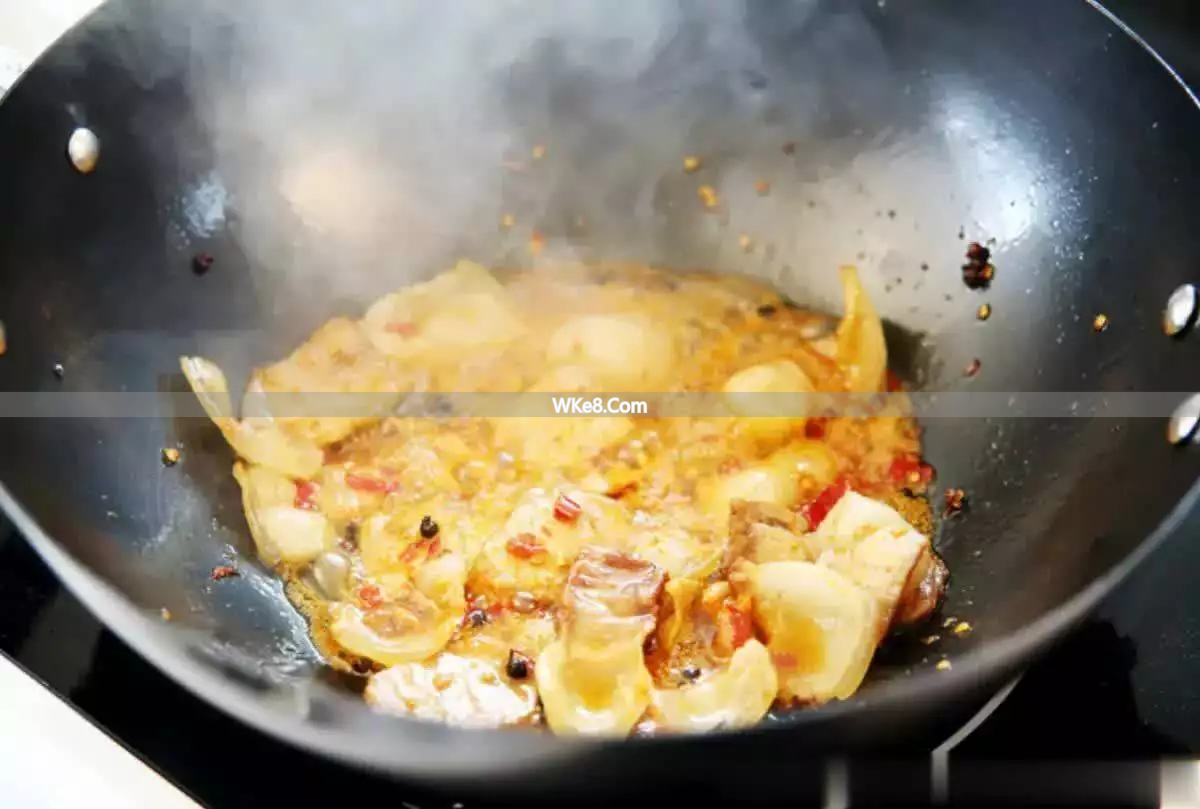
Put the stems of the garlic sprouts into the pot first, stir-fry them quickly over high heat until they are broken, and then remove them. Then put the green leaves into the pot, stir-fry them just a few times, and then pour a little cooking wine and light soy sauce along the edge of the pot, and then sprinkle some sugar to enhance the freshness.

The whole process went smoothly and in one go.
The twice-cooked pork was taken out of the pot and placed on the plate. The meat slices were shiny and rosy, and were slightly curled. As for the garlic sprouts, they were green and crisp, and their various colors were very attractive to others.
Pick up a piece. The entrance is filled with the rich aroma of soybean paste, followed by the elastic meat skin and sweet oil, and finally the crisp garlic sprouts, which perfectly neutralize the greasiness, leaving only a salty aroma in the mouth, which makes the appetite in the belly wide open. Before you know it, two large bowls of rice have been eaten.
Isn't this the charm of twice-cooked pork? It is a landmark delicacy. This delicacy combines the wisdom of the Sichuan people and is full of the Sichuan people's passion for life.
Instead of regretting the few slices of meat in a restaurant, it is better to go to your own kitchen and follow this ancient Sichuan cuisine technique to recreate the warmth and satisfaction that originated from the land of Bashu.
If you successfully cook a plate of twice-cooked pork that is complete in color, aroma, and taste, you will find that the most authentic Sichuan flavor is actually hidden in every daily meal that is cooked with care.
Comments NOTHING