
Spicy Jianghu for Mountain City Treats: A Bayu Banquet, Thousand Years of Scenery
Chongqing, a mountain city, has a unique situation of the intersection of two rivers. Its patchwork three-dimensional landform is shaped by this, and a food culture has also been nurtured. This food culture has scalding characteristics like hot pot, and has heroic characteristics like river water.
When you treat guests to a meal in this city, what is placed on the table is not just the dishes, but also the passion and integrity contained in the bones of Chongqing people.
We follow the spicy and delicious taste clues to explore the story of the formation of Bayu local customs hidden deep in the red oil and smoke of fireworks, and trace their origins.
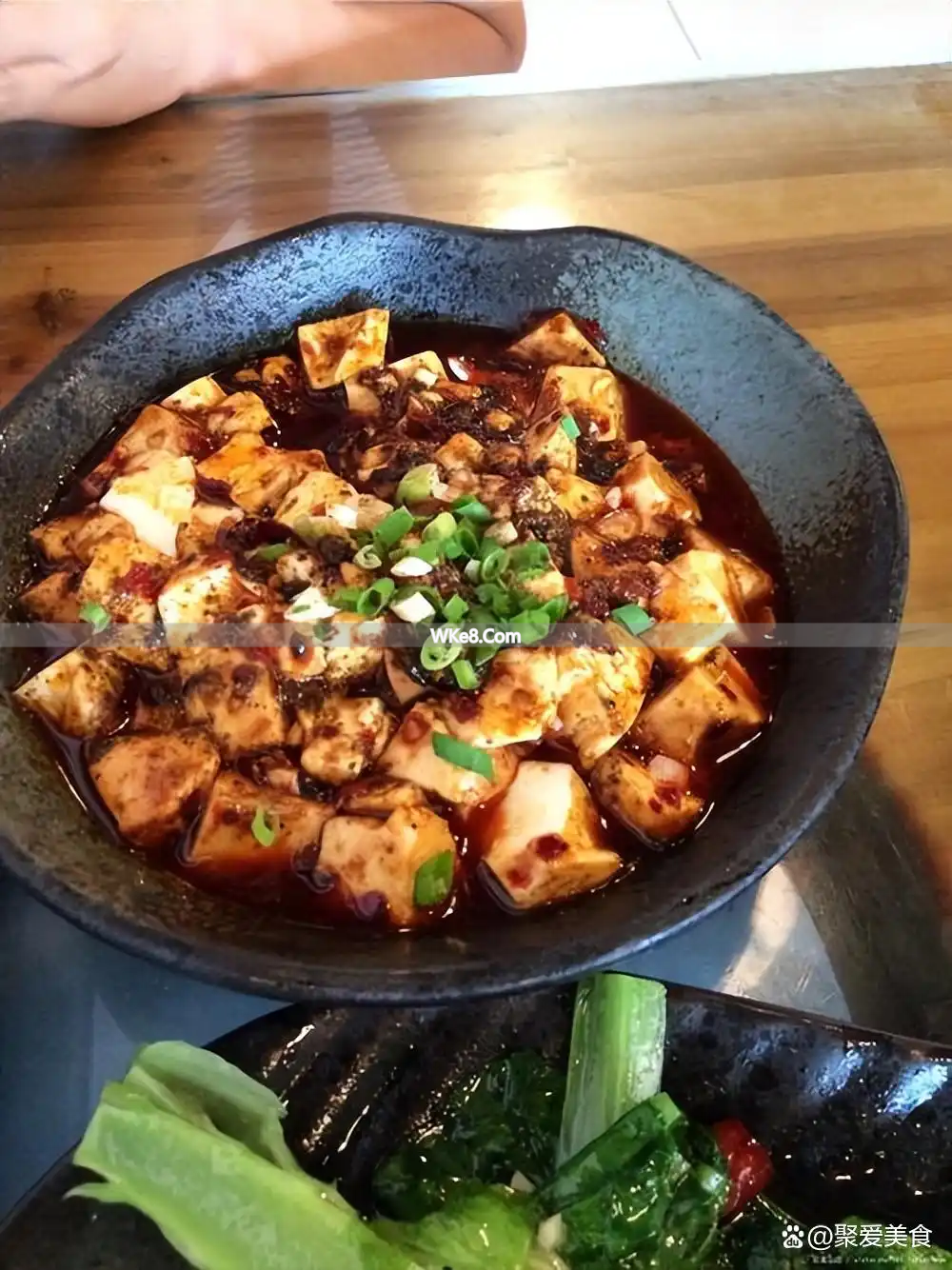
When it comes to the grand finale of Chongqing banquets, Maoxuewang must have a seat at the table.
This delicacy originated from Ciqikou Wharf. It was originally a food that dock workers stewed in a pot with offal offal. However, over the years, it became the originator of Jianghu cuisine.
Authentic Maoxuewang, the duck blood in it is the soul of the dish. It must be freshly slaughtered on the day. The soup is made of hot red oil. The duck blood will not rot after being cooked in the hot red oil soup for a long time. It has an extremely tender and smooth feeling when you enter it. It will melt on the tip of your tongue once you take a sip.
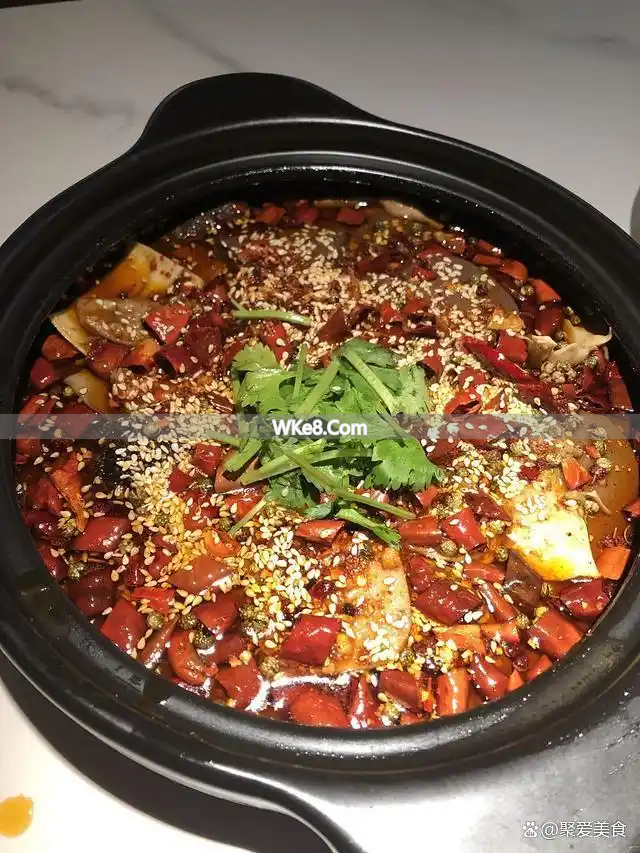
The ingredient that goes with it, which is eye-catching dark red in color, is called hairy tripe, which is obtained from the omasum of the buffalo. It is then put into red oil and undergoes a process of rising and sinking seven times and eight times. It quickly curls up and makes a crisp sound.
The rich aroma of butter and the aroma of chili pepper are the most vivid interpretations of the rough and bold characteristics of dock culture.
When it comes to a great dish to drink and chat with, it has to be the Gele Mountain Spicy Chicken .
There is a classic that originated in Geleshan Town. This classic has raised the level of spicy eating among Chongqing people to the level of art.
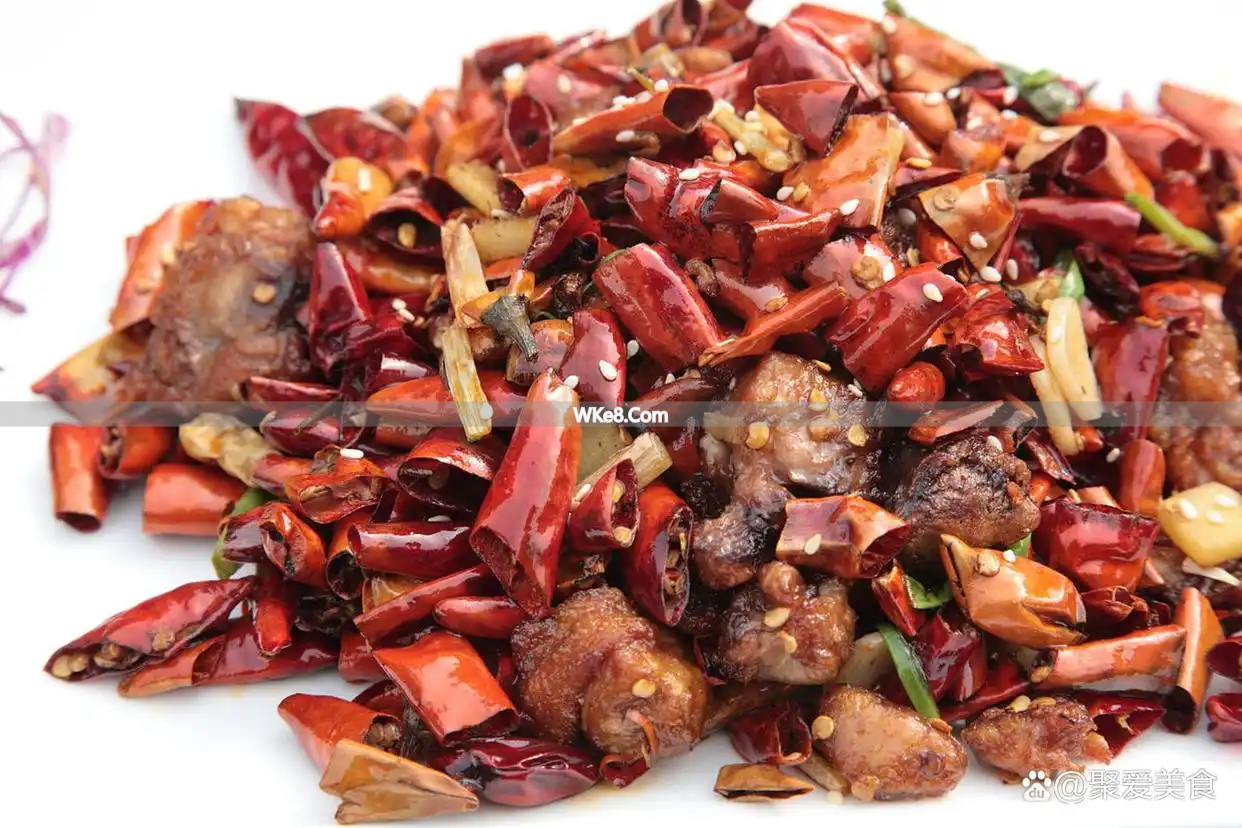
Choose carefully selected local chicken, cut it into cubes as big as a knuckle, press out the water in hot oil, and fry until crispy on the outside and tender on the inside.
Then, cook the oil with a full plate of dried chili peppers and Dahongpao peppercorns .
After the dish was finished, the chicken was searched everywhere among the pile of peppers. The diners took their chopsticks and rummaged through it. Every time they found a piece, it was like they had found an extremely precious treasure.
When entering the mouth, the first thing that comes out is the burnt aroma, followed by the overwhelming spicy feeling, and finally, the sweet aftertaste brought by the chicken, the fun of searching for treasures in the pepper pile, and the experience caused by the spicy food, which is like an orgasm in the skull. This is the secret of this dish's long-term prosperity without decay.
If the spicy chicken shows the indulgence of spicy food, then the fish shows the superb and precise control of the heat by Chongqing chefs, and so on.
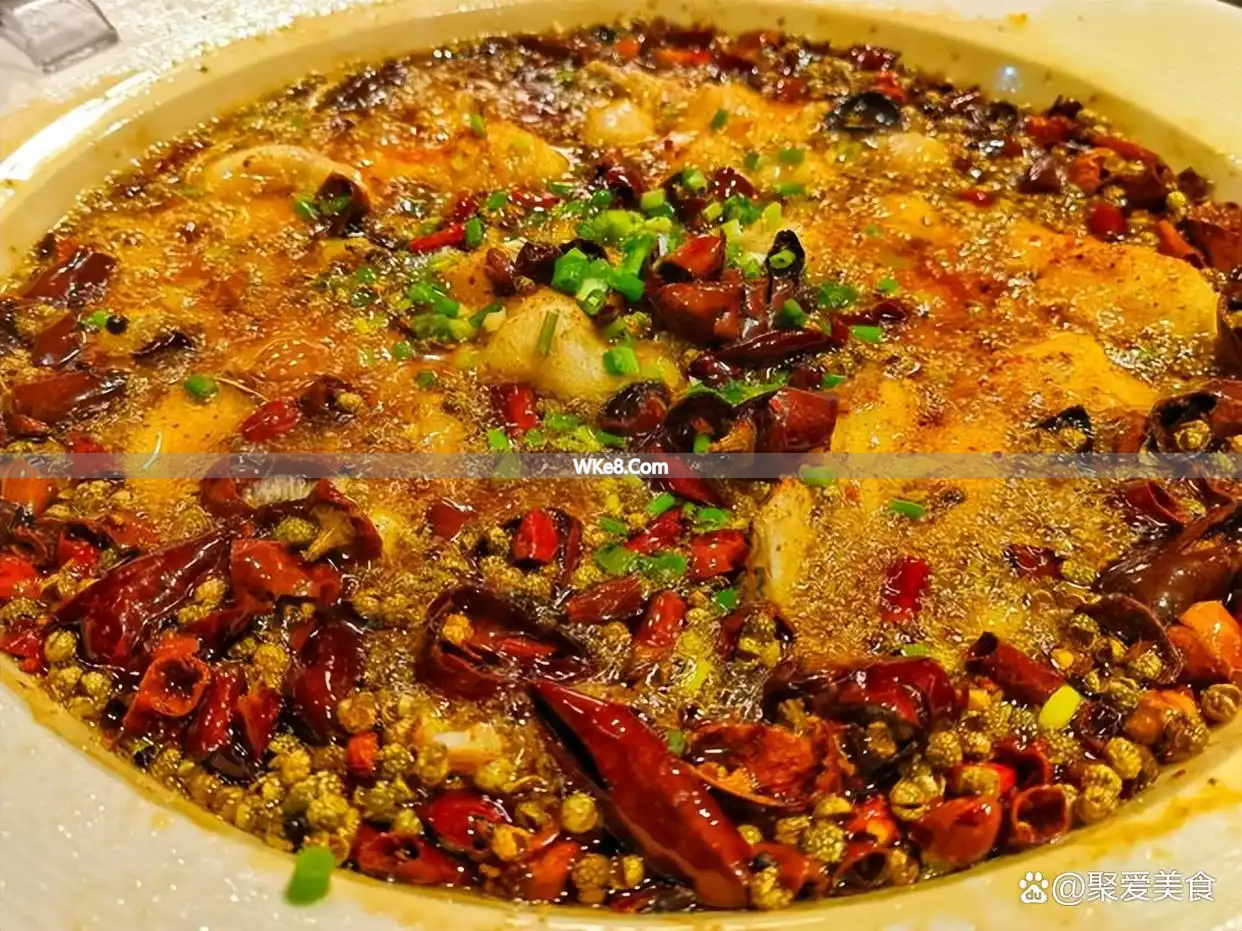
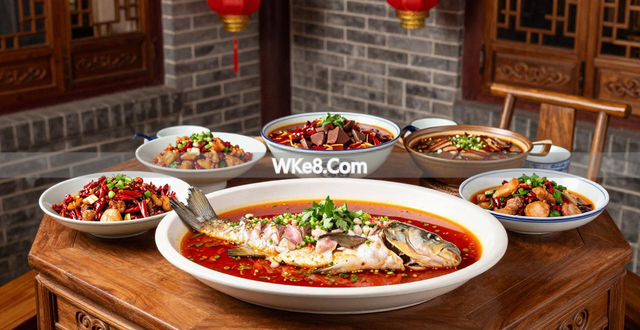
Although boiled fish is currently quite popular in the market, judging from the way Chongqing people entertained guests in the past, cooking fish with exquisite cooking skills can better show the sincerity of the host.
Live fish from the Jialing River or the Yangtze River are soaked in boiling water with onions, ginger and peppercorns and slowly cooked over a slow fire to preserve the original flavor and deliciousness of the fish to the greatest extent.
Rearrange the stove, take out the Pixian watercress, bad chili pepper, ginger and garlic, stir-fry the sauce with a strong aroma, and finally pour it on the snow-white and tender fish that looks like it is in some extreme state.
The richness of the ingredients is in sharp contrast to the sweetness of the fish. It is spicy but not dry, tender and tasty. It is a rare freshness in the spicy world.
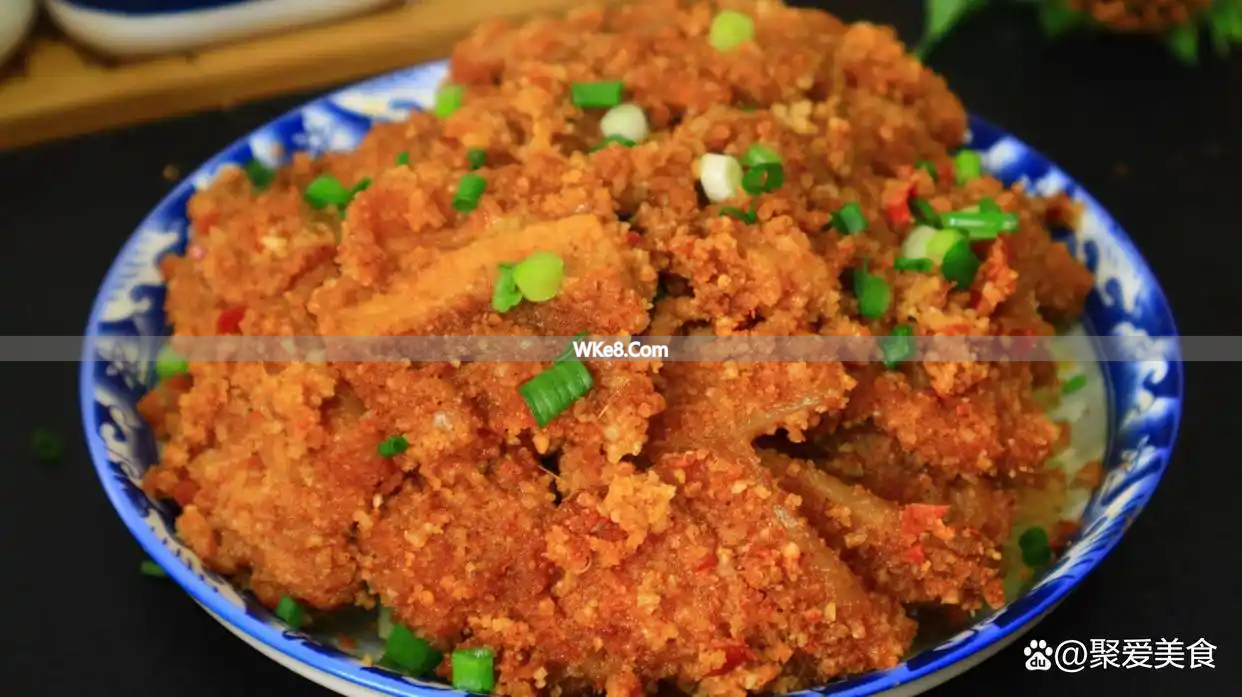
When arranging a meal for guests, there must be a food that can bring a warm feeling and warm people's hearts, that is steamed pork, and Chongqing people more often call it "鲊(zhǎ) meat".
In the Sichuan and Chongqing areas, it plays the leading role in the "three steamed and nine buckled" field banquets, which carry the banquet memories of several generations.
This rice noodle has many ingenious features. It requires frying rice and a little glutinous rice together until it turns golden in color, and then grinding them into particles of just the right thickness. This way, it can absorb fat while retaining the original taste.
The sweet potatoes or potatoes at the bottom fully absorb the fat of the gravy and the sweetness of the rice in the steam, and finally become soft, waxy and sweet.
The moment the steamer was opened, five aromas suddenly hit your nostrils. The meat was in a wonderful state of being waxy and fragrant. It was fat but not greasy at all. This brought a harmonious balance of warmth and softness to the entire banquet full of dishes with a strong spicy flavor.
However, the highest courtesy in Chongqing will eventually return to the nine palaces .

A huge iron pot was filled with a deep red substance called pure butter. Chili peppers, Sichuan peppercorns and watercress were freely released in the boiling fat, and the aroma occupied the entire space in an overbearing manner.
This is not a simple hotpot, but a microcosm of Chongqing people’s lifestyle.
Boil a piece of buffalo tripe that is crispy and tender with a color like #d71345; rinse a fresh piece of duck intestine with a color like #d71345; and let them occupy their respective territories in the nine-square grid, guarding each grid and cook slowly.
The warm atmosphere of a hot pot restaurant blurs identities and distances. Sweat and laughter fly together. In the steaming heat, guests and hosts reach the most candid and intimate communication.
This situation is the food philosophy of Shancheng, which uses the most direct spicy method to express the deepest friendship, so that every guest who comes can taste and appreciate Chongqing's thousands of years of customs and customs in such a hot atmosphere.
Comments NOTHING