
Taste of Bayu Restaurants: Six landmark dishes decoding the mountain city’s rivers and lakes
Chongqing, a mountain city, is not only known for its magical terrain, but also for its unique and famous food culture with Jianghu characteristics.
In the restaurants hidden in the streets and alleys, the bright red chili oil is clearly visible, the mellow aroma of old stewed food is overflowing, and the fresh spring water is dancing and dancing. They intertwine and collide with each other, and the magnanimity and delicacy of Bayu land are all contained in one pot and one bowl.
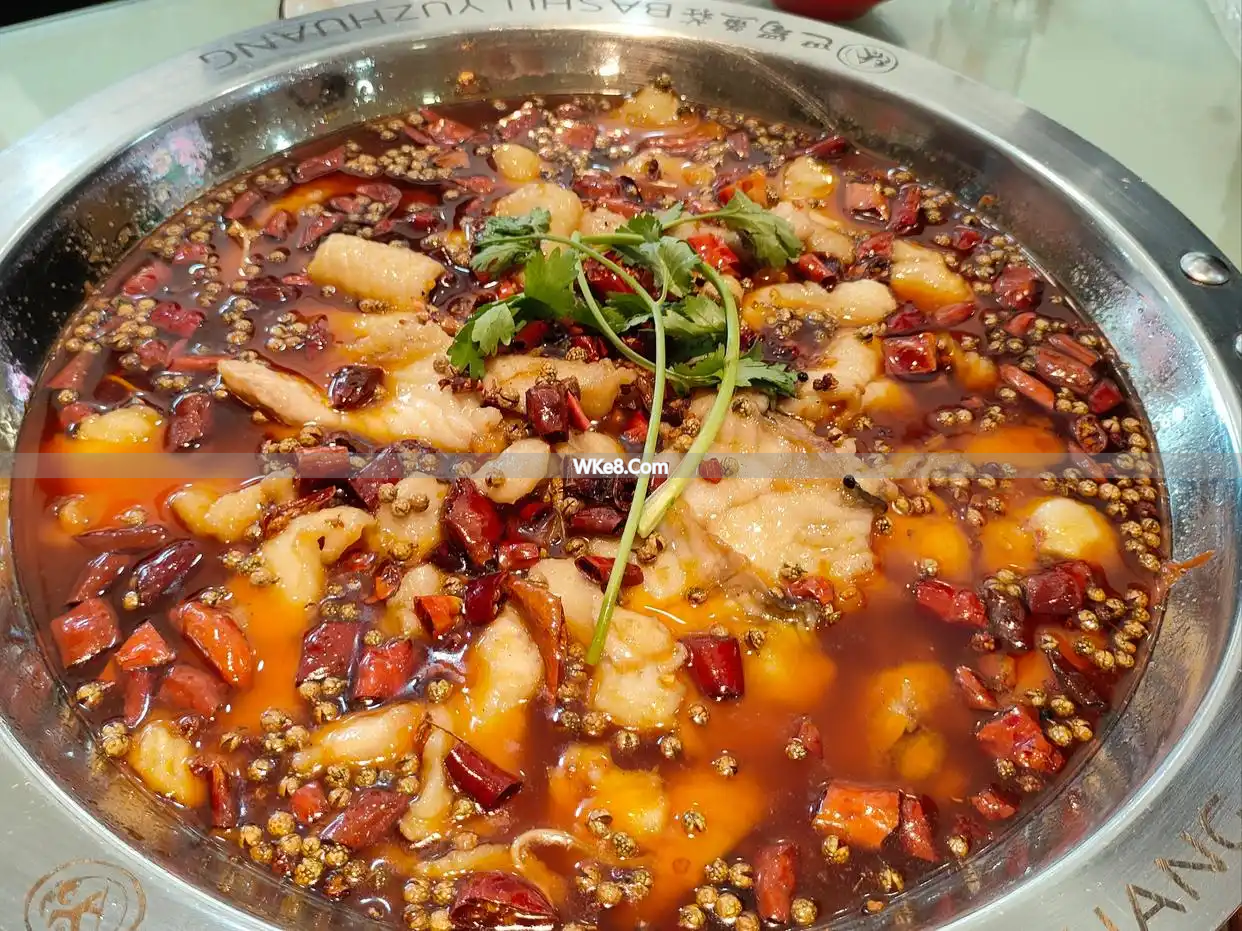
There is no pretentious presentation here, but there is a taste impact that directly touches the soul.
The following six landmark delicacies are the golden keys to unlocking Chongqing’s food code.
Yubei Boiled Fish: The "King of Traffic" cooked with intangible cultural heritage techniques
As an intangible cultural heritage of Yubei District , this dish can be called a model of Chongqing’s landmark dish .
For a time-honored restaurant, the chef will definitely choose Jialing River live fish. This chef is very skilled in knife skills, and the fish fillets are as thin as cicada wings.
In the traditional production process, Pixian bean paste and Sichuan peppercorns are first used to force out the red soup base in hot oil, and then the fish bones are simmered to create the umami flavor, and finally the fish fillets are slid in and cooked.
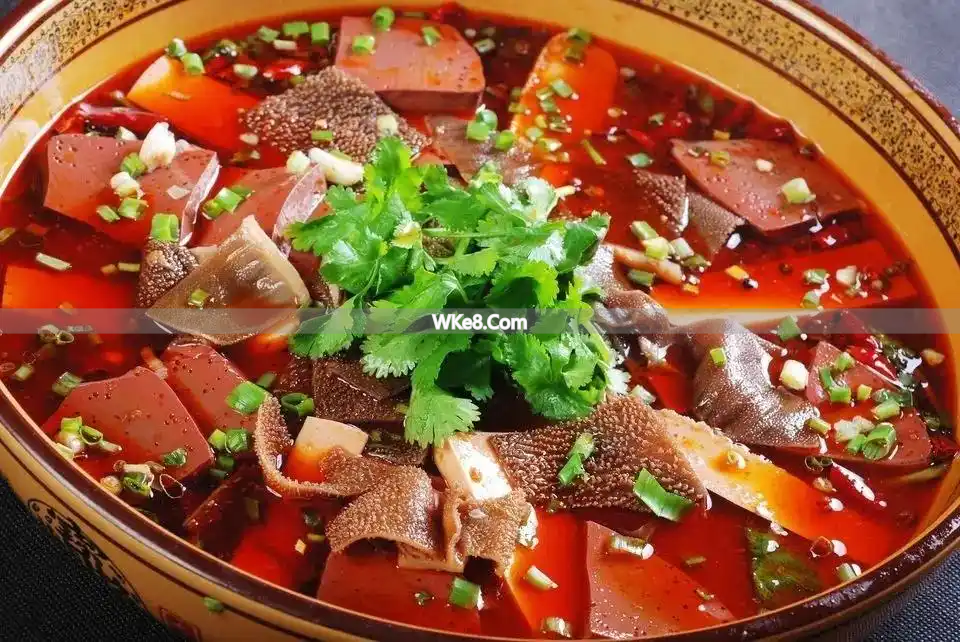
At the most critical "oil sound" moment, a spoonful of hot rapeseed oil is poured on the dried chili peppers. Amidst the "sizzling" sound, the aroma from the chili peppers, wrapped in the aroma of fish, rises quickly in an instant.
The finished dish is shiny with oil, and the fish fillets are white and tender. The numbness first arrives in the mouth, followed by spiciness. The fish meat fully absorbs the mellow characteristics of the soup but is not sticky at all. It perfectly explains the authentic and authentic attribute of "oil but not greasy".
Chongqing Maoxuewang: the "originator" of Jianghu cuisine
Tracing back to the origin of Chongqing Jianghu cuisine , Maoxuewang occupies the position of originator.
The in-store version of a time-honored restaurant interprets the philosophy of "miscellaneous" and "fresh" to the extreme.
The smooth and tender feeling of the duck's blood, the crispy texture of the belly, and the strong texture of the yellow throat all meet each other in the brine carefully brewed with more than a dozen kinds of spices.
The soup base must be made of pork bones and chicken bones to bring out the umami flavor, and Pixian watercress is added to add color and flavor.
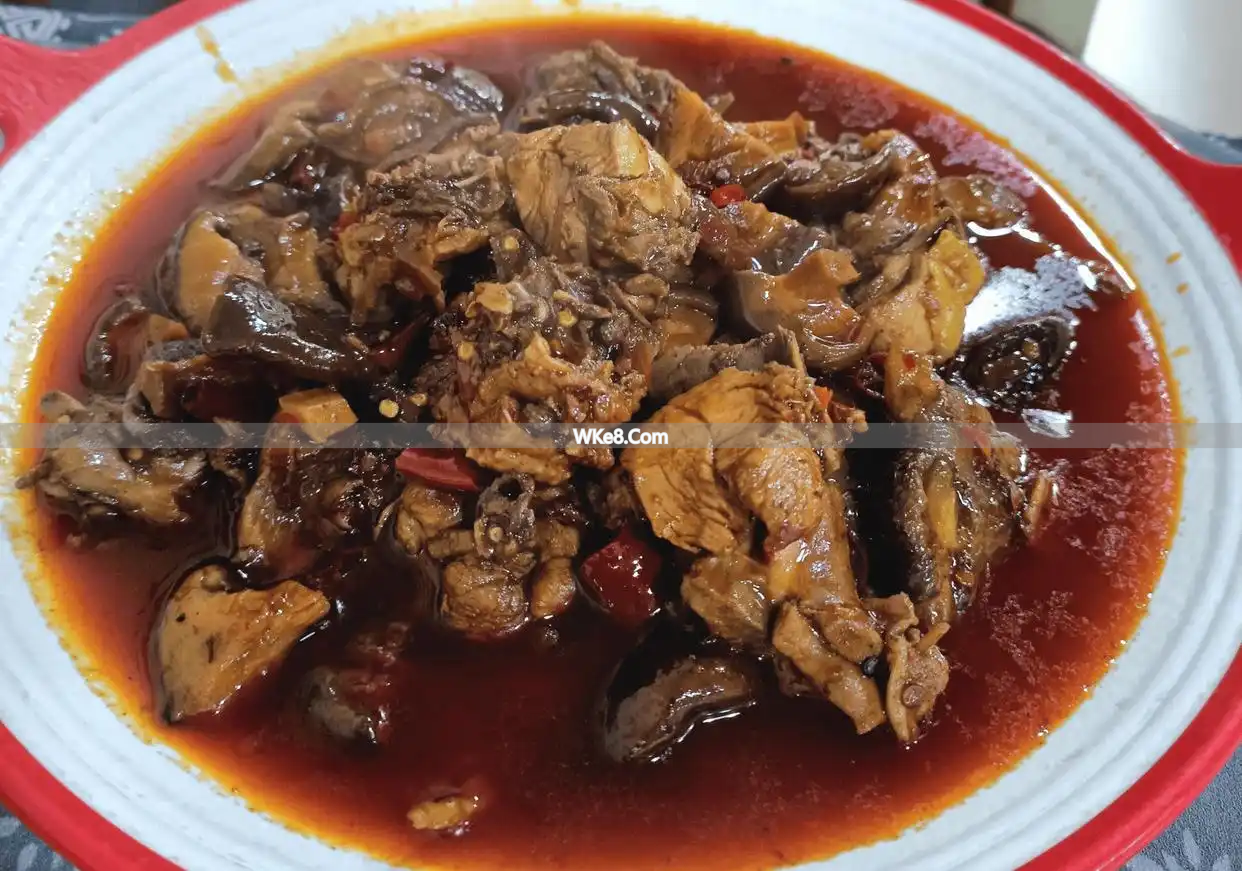
When it was first brought to the table, the red oil was constantly tumbling. In the steaming atmosphere, various ingredients, after being stained with spicy red oil, showed a state of distinct layers - the duck blood inhaled the flavor as deeply as possible, the tripe was just right with juice, the luncheon meat had a mellow taste, and the bean sprouts and fungus gave the crispy gap with a pungent taste.
This hard dish with a distinctive regional food identity is the most sincere choice for Chongqing people when having a banquet.
Nanshan Spring Chicken: The true love between clear springs and native chickens
On the Nanshan Mountain in Nan'an District, this delicacy with unique regional flavor was born.
It is called Nanshan Spring Water Chicken because the natural spring water in the mountains is used in the cooking process. It uses free-range chickens, and the meat of this chicken is firm.
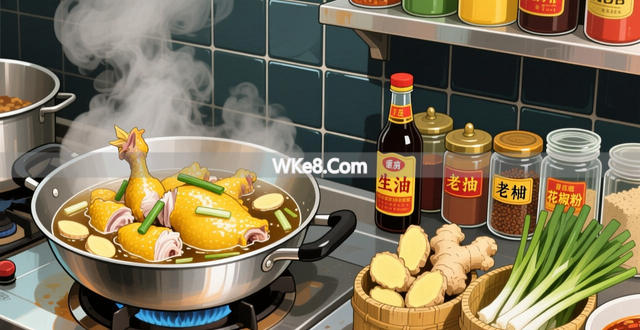
The chicken nuggets must first be blanched in spring water to remove the fishy smell. The traditional production process is very particular. After that, the ginger and green onion are first sauteed in a pot, and then the spring water is added to simmer.
Sprinkle local spicy millet and green pepper rings before serving, and finally drizzle a little peppercorn oil to enhance the flavor.
The soup is so clear and transparent that you can see the bottom. The chicken feels sweet and firm when you put it in your mouth. The crispness of the spring water and the spiciness of the chili peppers create a delicate balance between the teeth.
One of the most authentic ways to eat it is to gnaw the chicken clean first, and then soak the rice with a bowl of clear and spicy soup. This way, the authentic charm of Yamashiro's ingredients can be fully demonstrated.
White Pork with Garlic Sauce: A refreshing take on spicy food
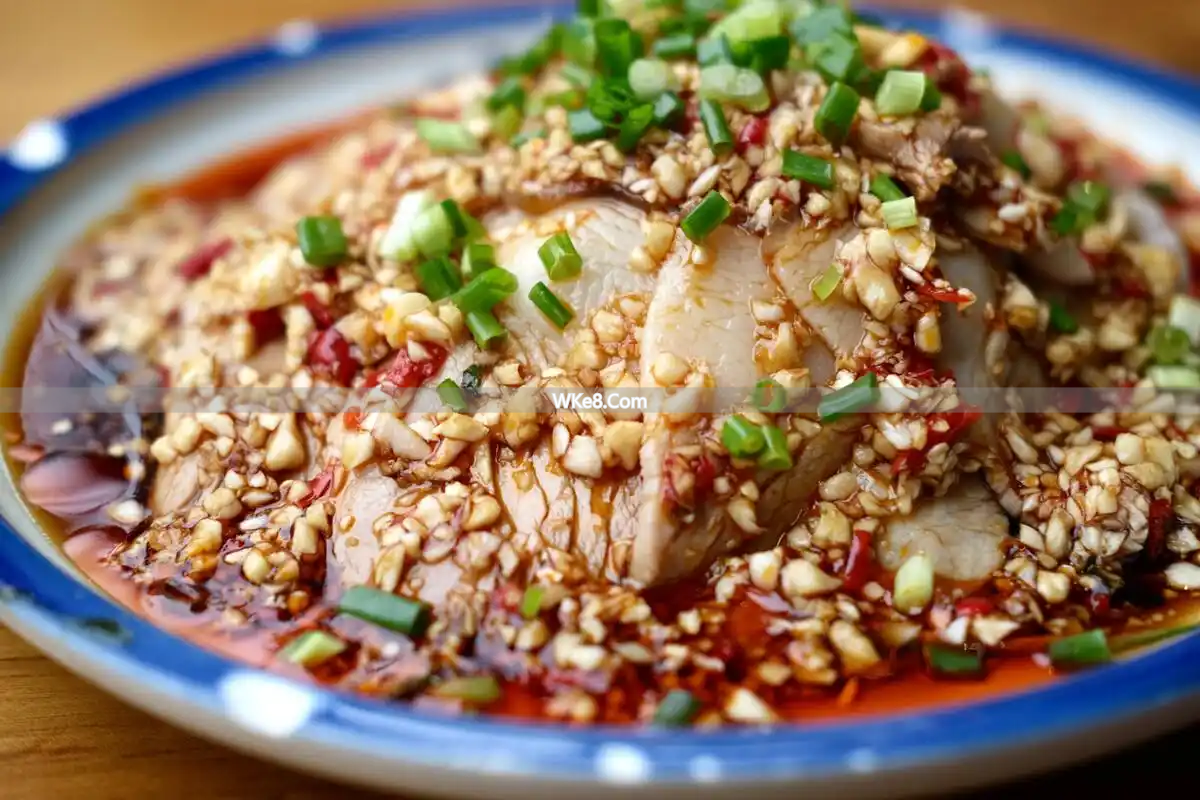
Within the scope of Chongqing cuisine, a catering school full of red oil characteristics in the city, garlic white meat has a unique attitude like a clear stream, and has transformed into a cold dish that time-honored restaurants will definitely arrange for customers to order.
What this dish has that reflects the characteristics of the regional diet lies in the knife skills and the sauce: carefully select the two cuts of meat with just the right proportion of fat and thin, cook it until it is in a shredded state, and then slice it into thin slices as thin as cicada wings. Through the light, you can clearly see the exquisite and beautiful texture.
The soul's secret garlic sauce has a unique golden ratio. The spiciness of garlic replicates the salty-sweet taste of soy sauce, the slight acidity of balsamic vinegar, and the fat aroma of red oil, which can be perfectly blended.
The meat slices are rolled in the sauce. When you eat it, the fat part does not feel greasy at all, and the thin part does not look dry at all. The rich garlic aroma does not give people a choking taste at all. It immediately awakens the taste buds that have been temporarily numbed by the spicy food, paving a refreshing prelude to the next taste feast.
Youting Crucian Carp: The delicious pickles in a century-old town
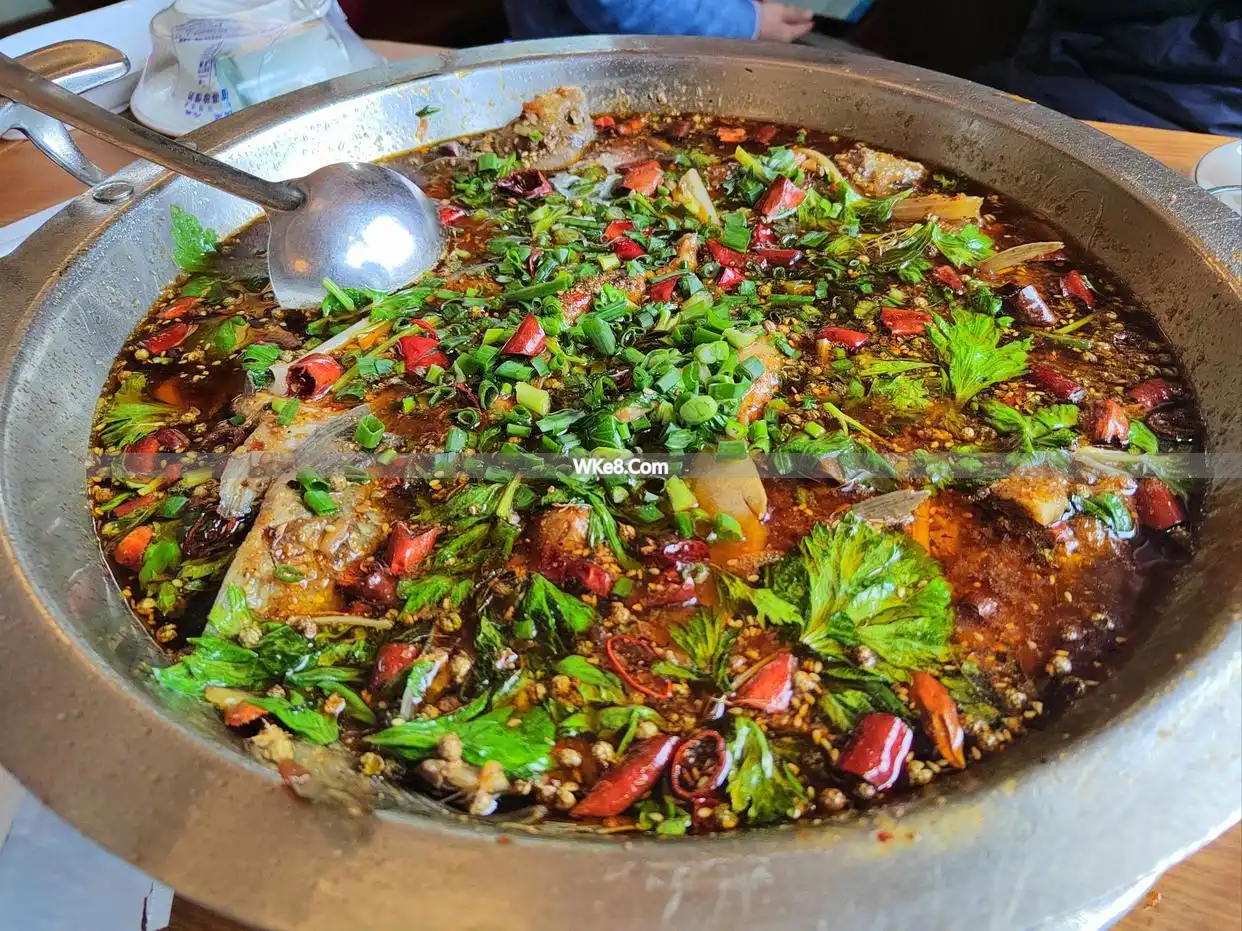
This Jianghu flavor originating from Dazu Youting Town has now become the signature of restaurants across the city.
The subtlety of 'Youting Crucian Carp' is the use of 'Chongqing local pickles'. Pickled radish and pickled peppers are fried in hot oil to create a sour aroma. The stock is added to boil. The fresh crucian carp is marinated for flavor and then slowly cooked.
The fresh and refreshing soup of the kimchi is deeply absorbed by the fish in the continuous slurping sound, causing the fish to become unusually smooth and tender. With just a very light sip with chopsticks, the bones and flesh are easily separated.
The way it is done in restaurants is more refined, often with bean sprouts and tofu as the base, which can make the taste richer.
The sour and slightly spicy soup, whether used for mixing noodles or soaking rice, is definitely an ultimate enjoyment that cannot be missed.
Boiled cabbage: the warm answer to Sichuan Kung Fu
Don’t be misled by the seemingly ordinary name, boiled cabbage, it is the embodiment of the top Sichuan cuisine Kung Fu, and it is an excellent choice to balance the taste after experiencing a spicy feast.
The so-called "boiling water" that looks clear to the bottom is actually a "clear soup" made by simmering chicken, duck and ham over low heat for many hours, and then filtering the minced meat several times.
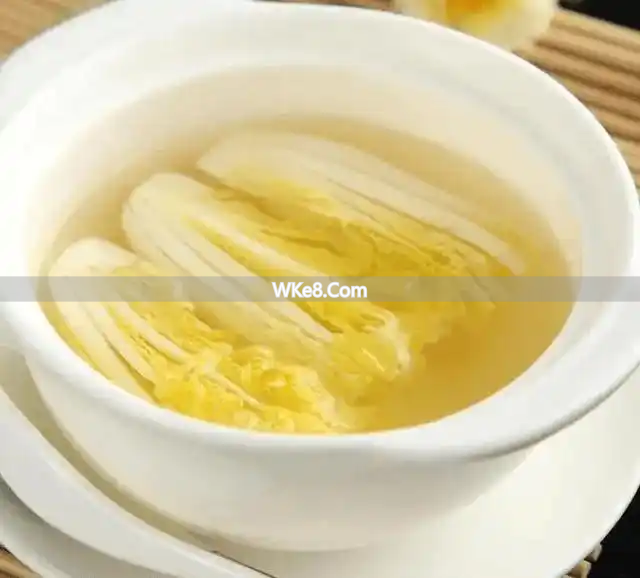
Only the tender and yellow cabbage cabbage is selected. After blanching, it should be crispy and sweet, and the flavor should be slowly soaked in the extremely high temperature clear soup!
After a series of strong and spicy attacks, a spoonful of boiled cabbage was eaten into the stomach. The warm broth calmed down the heat of the taste buds, and the sweet cabbage brought refreshing comfort, allowing diners to appreciate at the last moment the ultimate heritage of Bayu cuisine, which is "one dish, one dish, one hundred dishes, one hundred flavors."
Comments NOTHING