
Taste of Bashu: A world of steaming fireworks
In Sichuan, what can be truly called a feast often does not exist in tall and grand houses, but in ordinary streets and lanes, within the confines of a small stove.
The sound of the shovel in the pot, the singing of the sizzling hot oil, and the aroma wafting from the kitchen always make those with hungry stomachs unable to move forward.
This dish, which seems to be ordinary and cooked at home, labeled with the famous Chinese cabbage twice-cooked pork, actually belongs to the category of Sichuan Jianghu cuisine, a typical style that uses ordinary ingredients carefully prepared. In addition to being a regular guest at the dinner table of every household in Sichuan, it is also the first hurdle that guests from out of town face when they come to experience the unique customs of the Bashu region.
Subtle selection of ingredients: Gifts and knife craftsmanship in Tianfu Pig Country
To make this Sichuan-flavored dish, choosing meat is the first step.
It is the #pork belly# produced by our carefully selected grain pigs from Sichuan. The meat of this kind of pork is firm, and the fat and thin parts are spaced apart and belong to the three layers of meat , which are particularly precious.
In Sichuan dialect, this is called "Bao Ri Pork".
The chefs have an unspoken secret: put the meat in the refrigerator for half an hour before cutting it.
This is not only for cutting out thin flakes that can transmit light, but also for the subsequent stir-frying process, so that the part called fat can be elegantly and calmly curled into a "lamp nest" style under a high temperature environment. When this action is used to lock the meaty juices inside, it can also release the alluring aroma of animal fat.
Cooking: The Sichuan Kitchen’s Philosophy of Removing Odor
When Sichuan people cook meat, they pay attention to "blanch it once and dry it twice."
You need to put cold water in the pot before lowering it, then put in a few slices of turmeric, a little fermented glutinous rice juice or a little cooking wine. And this step may seem simple, but in fact it is the basic rule that Sichuan cuisine follows in removing fishy smell and adding fragrance.
After the water boils, reduce the heat to medium-low and simmer for about 10 minutes, until bamboo chopsticks can be easily penetrated.
The cooked meat must not be cooked while it is hot. It must be allowed to cool naturally until it is not hot to the touch.
This process, called "sweating" by Sichuan housewives, will make it very easy for the meat slices to maintain their shape and not fall apart during subsequent cooking.
The soul of stir-fry: the birth of Dengzhanwo and red oil
The next scene is the most pyrotechnic moment in the Sichuan kitchen.
Heat the pan and add cold oil to the pan, leaving only the base oil, and spread the meat slices flat.
Slowly stir-fry over medium-low heat. That's when the magic moment arrives. The fat becomes transparent during this process, and its edges roll up to form a beautiful shape called a "lamp nest". At this time, the whole room is filled with the aroma of burning.
At this time, the key #PIXianDuban# appeared.
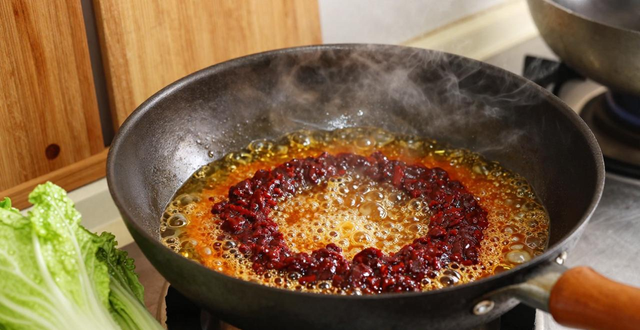
This fermented food, known as the "soul of Sichuan cuisine," needs to be stir-fried in hot oil until the color of the oil changes to a deep red color. This is what is called "red oil" in the jargon.
At this time, add dried chili segments, ginger and garlic, and the spiciness is immediately stimulated. This is the base of home-cooked flavor in Sichuan cuisine.
The sublimation of supporting roles: the wisdom of shredding cabbage
When the aroma of meat and sauce are perfectly blended, the main character, Chinese cabbage, makes its grand appearance.
Different from cutting with knives, Sichuan people firmly believe that "hand-shredded cabbage" has the most soul.
Break into pieces along the grain so that the sections can better absorb the soup.
When putting it in the pot, don't stir it in a hurry. Let the cabbage stick tightly to the hot bottom of the pot. Fry for half a minute. The high temperature will bring out the sweetness of the vegetables. Then pour a circle of soy sauce and cook it along the edge of the pot. At this time, the aroma of the sauce will rise.
When stir-fried quickly, the cabbage becomes oily and translucent, but this is the ultimate expression of the art of heat in Sichuan cuisine!
The finishing touch: the balance between sugar and vinegar
Among the twenty-four flavors of Sichuan cuisine, twice-cooked pork is home-style , but it is by no means just salty and spicy.
When cooking and seasoning, soy sauce is slowly poured in along the edge of the pot. White sugar only requires a small amount of half a spoon. It can play a role in "neutralizing the taste and highlighting the freshness and alcohol", thus making the spiciness richer.
Finally, when the cabbage is slightly soft, the Sichuan chef will reveal his secret secret, which is to drip a few drops of Baoning vinegar along the edge of the very hot pot.
When exposed to heat, the sourness will evaporate instantly, leaving only a long ester aroma, which sublimates the aroma of the entire dish.
This unique skill of "potside vinegar" is the embodiment of the exquisite seasoning of Sichuan cuisine.
Memory of Bashu: The world of a bowl of rice
The beauty of this dish is that it carries the collective memory of Sichuan people.
Pour the hot soup and vegetables together on top of the shiny white steamer rice. The red oil has soaked the rice grains. There is a slight sweat on the forehead. This situation is the most practical happiness.
Next time, friends who come here, you might as well show your skills and use this dish of #大白菜twice-cooked pork. It may seem simple, but in fact it contains the knowledge of meat selection, knife skills, heat, seasoning and many other skills, telling the story of you and the taste of Bashu.
Make sure they eat it heartily and chase you for the recipe, because this bite is the most sincere fireworks tribute that Sichuan people use to entertain their guests.
Comments NOTHING