
The rebirth of vegetarian food in the land of Qilu: Exploring the elegant transformation of Shandong ’s landmark seasonal vegetables
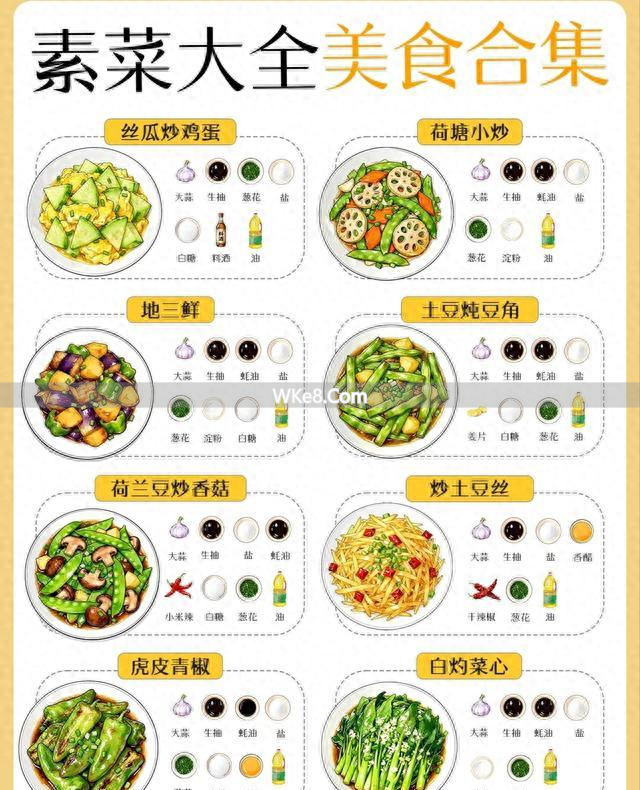
In addition to the mellow sauce-flavored background of Shandong cuisine, there is actually a "custom history" about seasonal vegetables hidden on the dining table of Shandong people.
When people are tired of the fat and heavy taste and start to pursue the authentic and delicious food in season, you will find that the ordinary vegetables grown locally can be transformed into an unexpected and surprising taste experience through the unique and ingenious cooking methods of Qilu.
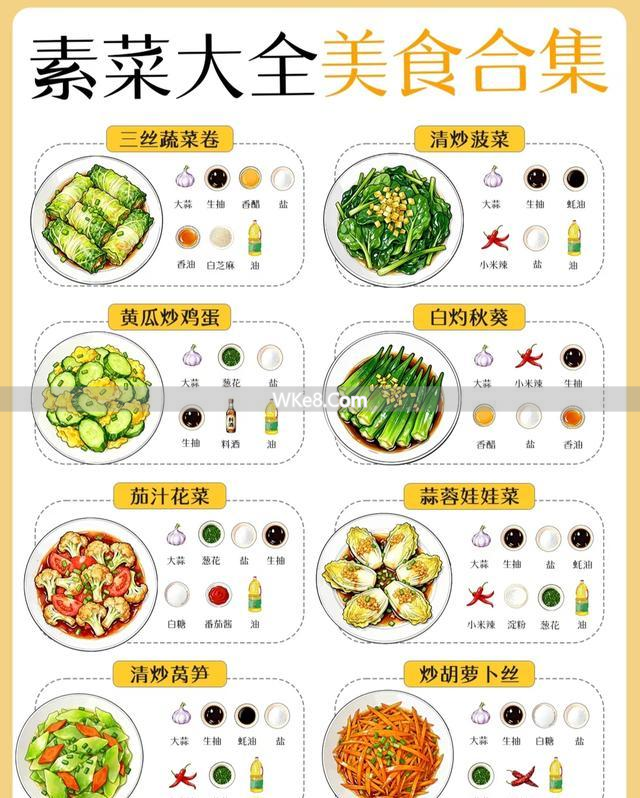
This is not only a change in diet, but also a dietary wisdom rooted in this land.
Use green onions grown in Zhangqiu and ginger grown in Laiwu to stir-fry the pot, and the aroma is instantly stimulated. Then add pumpkins from the Yimeng Mountains, crispy lotus roots from Mata Lake, and seasonal green leafy vegetables from the Jiaodong area, and cook slowly over a slow fire.
This pot of soup does not have the characteristics of thick oily red sauce like traditional Shandong cuisine. However, while it is in a clear state, it contains a complex fresh and sweet taste.
When Shandong people drink it, what they drink is the gift of the land and the sense of solidity of a good harvest.
Especially here in Zibo, people have the habit of putting a "Yiyuan Red" apple in the bottom of the soup and cooking it together. The fruity and vegetable aromas blend together, giving this bowl of soup a special refreshing feeling. It not only retains the simple and satiating characteristics of Qilu land, but also secretly conforms to the lightness and health pursued by modern people. This is the new wisdom contained in the old taste.
At the time of the New Year, the time sequence has changed. In Weifang, as well as Qingdao and other places, quietly, a form of family banquet called "Suyan" has returned again.
This is not just a replacement of ingredients, but also a cooking technique that revolves around "shape" and "meaning". It is called culinary art.
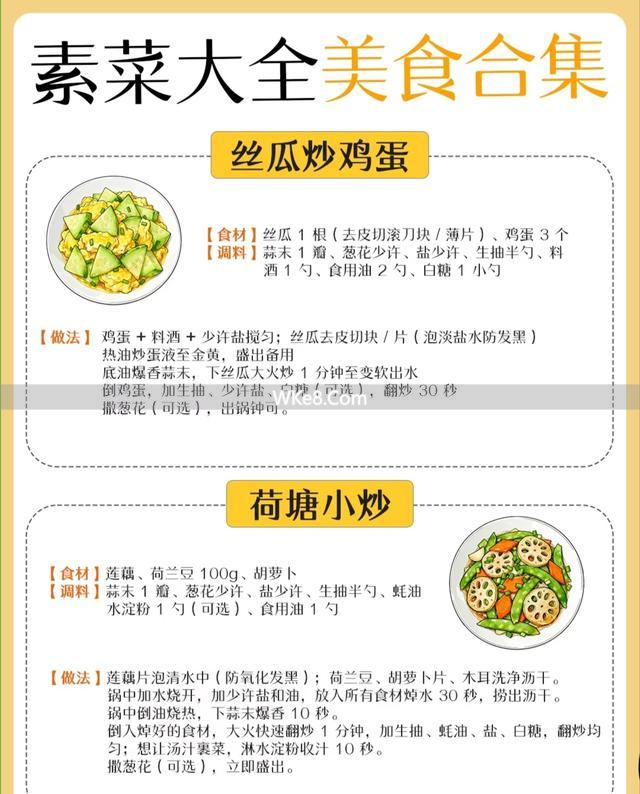
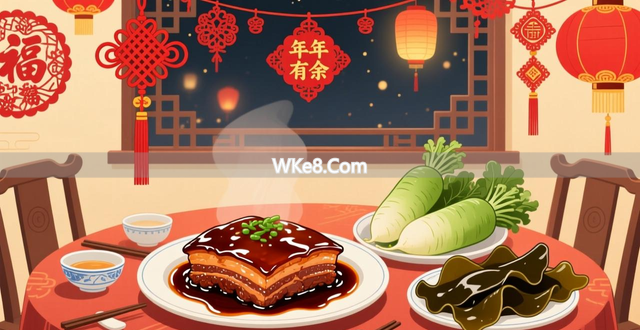
Weifang's green radish and Jiaodong's kelp are used with traditional sauce-braised techniques to simulate "sauce-flavored vegetarian meat", which is salty and fresh, with a strong texture. When placed on the New Year's Eve table, it means that "every year has more than enough", adding a refreshing feeling.
In Yantai, there are ingenious housewives who first fry local Longkou vermicelli until crispy, then prepare pinch vegetables, chives, and egg skin to combine them, and then wrap these ingredients into pancakes as thin as cicada wings, and finally make "vegetarian mixed vegetables with hats". The color of the finished product is very bright and golden. When you take a bite, the crispy feeling collides with the soft feeling, and the salty flavor brought by the sea breeze and the fragrance of the land suddenly explode in your mouth.
Such vegetarian New Year dishes uphold the Jiaodong people's emphasis on "no feast without seafood" and interpret the auspicious meaning of "abundance of grains". In a unique way, relatives and friends can enjoy a more elegant way of hospitality when changing glasses.
On weekdays, Shandong people’s lunch boxes are also full of ingenuity.
The classic "Luwei Su Stir-fried" uses oyster mushrooms from Linyi and king oyster mushrooms from Rizhao. They are torn into strips by hand and stir-fried over high heat to release the unique "meaty aroma" of the fungi. After taking it out, a sauce made from Jinxiang's purple-skinned garlic and Zhangqiu scallions is added. The taste is salty and fresh with a sweet aftertaste. The mushroom meat is plump, and the taste is somewhat better than the pleasure brought by meat.
Another example is the tofu feast around Tai'an. A piece of Taishan tofu can be transformed into ever-changing shapes in the hands of a skillful woman.
Either stir-fried with water chestnut rice from Weishan Lake, or immersed in the soup of Boshan Crispy Pot and simmered slowly. The tofu absorbs the aura of the mountains and lakes, becoming gentle, soft and mellow, simple and ordinary but with a long-lasting taste.
These combinations originate from the countryside and fields. Without complicated cooking, you can harvest nutritious and delicious simple work meals, allowing busy modern people to taste the customs and customs of their hometown from time to time.
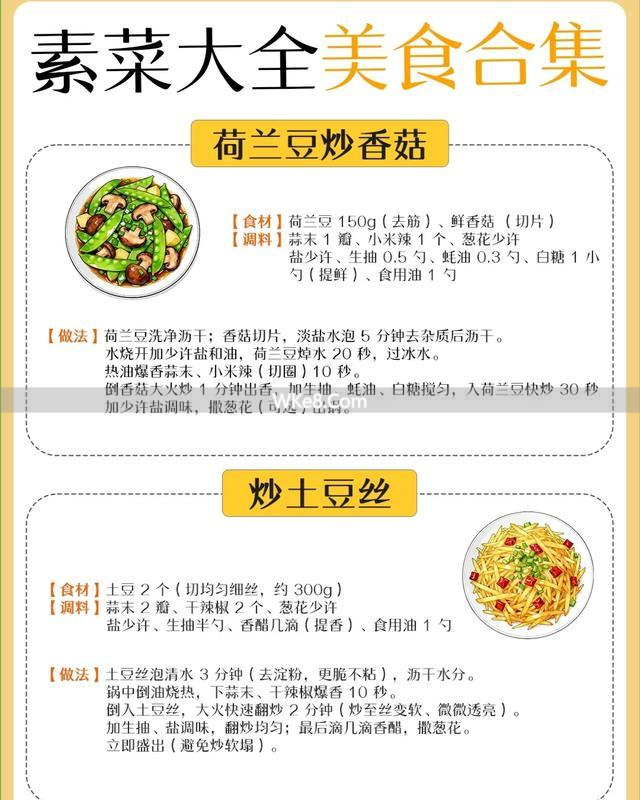
There are also innovative dishes that maximize the charm of Shandong's landmark ingredients .
Put the chestnuts produced in Mengshan and the salted duck eggs from Weishan Lake in Zaozhuang together and stir-fry them together, and the finished product will be glutinous and sweet, with a feeling of gold and jade. Or, grind the wild seaweed from Changdao and the peanuts from Rongcheng into a pulp and simmer them together to make a soup. The soup will be delicious and rich, which can warm the body and heart.
These dishes are all breaking people's stereotype of vegetarian dishes as "bland and tasteless". They are products rooted in the land of Qilu. Through steaming, boiling, stewing, stir-frying, roasting and many other authentic Shandong cuisine techniques, vegetables have become a well-deserved protagonist on the table. They have muscles and bones, taste and feelings, and have become dietary memories flowing in the blood of Shandong people. They shine more and more charmingly on the stoves of the new era.
Comments NOTHING