
Discover the fireworks heritage of Kyushu’s landmark cuisine
Chinese food culture has existed for an extremely long time. The unique natural scenery and cultural heritage of each place have created unique local snacks with completely different tastes.
They are not only a treat on the tip of the tongue, but also a living carrier of regional culture.
There is a transition from the boldness of the Northeast to the sophistication of the Jiangnan, and from the roughness of the Northwest to the enthusiasm of Sichuan and Chongqing. Each snack with a unique meaning carries the memory and emotion nurtured by the local soil and water.
We dig deep to explore the historical origins and authentic production techniques behind these so-called landmark delicacies, so as to show you a taste journey that you can truly feel.
Bashu flavor· Spicy and delicious street legend
When it comes to Sichuan, spicy food is the unavoidable flavor base.
Traces of Chuan Chuan Xiang can be found everywhere in different streets and alleys in Chengdu. It is derived from the spicy hot pot. Various ingredients are skewered with the help of bamboo skewers and placed in a boiling red soup filled with chili and Sichuan pepper.
In that pot, the mellowness of the butter blends with the aroma of dozens of spices. The cooked beef and liver are wrapped in the soup and dipped in the sesame oil and garlic sauce. When you enter the mouth, you will first be greeted by a spicy taste that impacts your taste buds, followed by an addictive numbness. The texture is crisp, tender and soft at the same time.
Bangbang Chicken , which originated in Leshan, is another expression of Sichuan flavor .
It is made according to specific requirements. Use a wooden stick to gently hit the back of the knife with light force to cut the cooked native chicken into even thin slices. This tapping action is not only full of a sense of ritual, but also makes the fibers of the chicken become more loose, which is conducive to absorbing the secret red oil.
The red oil is the soul of this snack. It is made from Erjingtiao peppers, Chaotian peppers, and a variety of spices. Its color is red and bright, and its aroma is deep and restrained.
The chicken slices are soaked in it. When you enter the mouth, the taste levels of salty, sweet, numb, spicy, fresh and fragrant are very clear. The chicken skin is crispy and refreshing, the texture of the chicken is tender, and the aftertaste is quite long.
Jingchu Scenery· Jiangcheng Morning Rhyme A Bowl of Warmth
Wuhan is awakened by a unique sound and aroma in the early morning.
Hot dry noodles , known as the king of Chinese breakfast , is the dietary symbol of Jiangcheng people.
Authentic hot dry noodles must use alkaline water noodles with a strong taste.
Eight-mature noodles are dusted in boiling water, drained and drizzled with sesame oil, then quickly spread with chopsticks and blown to cool. After this process, this is called "dusting the noodles", which is the key to ensuring the smoothness and toughness of the noodles.
Wait for the guests to arrive, blanch the noodles in boiling water for more than ten seconds, take them out, quickly pour thick sesame sauce, finely ground sesame oil, light soy sauce, brine, and then sprinkle with crispy diced radish, sour green beans and green onions.
Stir while it's still hot so that each noodle can be evenly wrapped in the brown sauce, and the aroma will evaporate upwards with the hot air.
The noodles are chewy and chewy, which is reflected from the moment you enter. The mellow aroma of sesame sauce instantly fills your mouth. The salty and fresh diced radish and the sour and crispy sour beans are just right to relieve greasiness, and build this complex and harmonious flavor. Jiangcheng's unique premature culture has been achieved.
Qilu Food Style· Simple Craftsmanship Deep in the Fragrance of Wheat
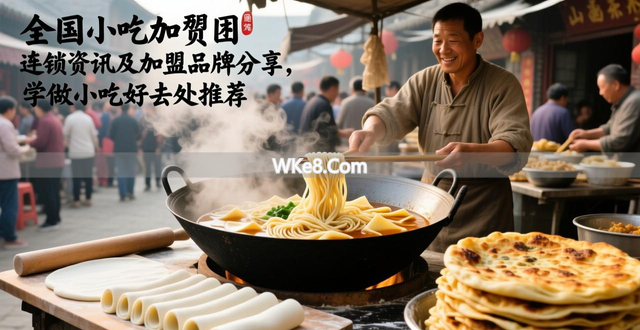
As a province of pasta, Shandong’s traditional snacks are bold and simple.
There is a kind of food called Quancheng baked potato, which has been circulated for a long time in places like Jinan and Qingdao. It seems very simple, but it has an ultimate pursuit of raw materials and heat.
Sweet potatoes grown in the mountains are selected and placed in a special earthen oven and baked over slow fire for up to an hour. During this period, the starch inside the sweet potatoes is fully converted into sugar under the condition of continuous heating.
When the outer skin is slightly charred and oozes crystal clear sugar, it is the best moment to enjoy it.
Tear open the potato skin while it's hot, the golden potato flesh is steaming, and the honey oil is dripping.
It has an entrance, and the taste after the entrance is as soft and sweet as honey, without even a trace of crude fiber. The pure potato aroma and the aroma of caramel are perfectly integrated. It is an authentic style that can warm people's hearts, and it has such characteristics in winter.
However, a variant of the pancake fruit widely distributed in Qilu, that is, multigrain pancakes, is more Shandong-specific.
It is made of batter made from millet, mung beans, sorghum and other grains. It is as thin as paper and as crisp as crisp.
Crack the eggs, sprinkle with chopped green onions, coriander and sesame seeds, then wrap them in the fried crisps (禃禦儿) or fried dough sticks, and then brush them with a layer of sauce and chili oil.
When you take a bite, you will be greeted by the delicate aroma of grains, which blends with the aroma of eggs and sauce. The texture is crispy and the aroma of grains is very pure, which can bring a strong sense of fullness and show the wisdom of Shandong people in their simplicity and elegance in eating.
The best taste of the Central Plains· The crispy memory of fireworks in the city
Henan's snacks always have a strong ancient style from the Central Plains.
The mutton steamed buns at Kaifeng Night Market are one of the representatives.
This snack is made from thin dough. In the middle of the dough is minced mutton marinated with cumin and other spices, as well as a large amount of chopped green onion. It is then fried in mutton oil in a pan.
With the "sizzling" sound, the aroma of mutton oil is fully stimulated and blends into the dough and meat fillings.
Cook until both sides are golden brown and crispy, then cut into chunks.
Try it while it's still hot. The outer skin is so crispy that you can fall off the residue, and the mutton inside is tender and juicy. The spicy flavor of cumin matches the natural flavor of the mutton just right. The aroma from the fat suddenly explodes in your mouth. This is an excellent market delicacy that can be used as accompaniment with wine or to fill the stomach.
In Luoyang, the non-turning soup carries the taste memory of the locals.
Its name comes from a mung bean pancake. This mung bean pancake matures on the pan without turning it over, so it is called "non-turning".
The soup base is made of local bones, which are boiled overnight and become thick and white. When eating, put the soaked "unturned" noodles, vermicelli, fungus, and shrimp skin at the bottom of the bowl, then pour the hot bone soup, and finally sprinkle with a handful of leeks or coriander.
The soup tastes fresh and mellow. The "not turned" has a soft and tough texture and reveals the aroma of beans. It fully absorbs the essence of the soup. When a bowl is eaten, people will feel warm and full. This taste is both authentic and pure.
Starting with the unique spicy flavor of Shu, then the unique salty flavor of Jiangcheng, then the distinctive sweet taste of Qilu, and the unique crispy flavor of the Central Plains. These delicacies, which are deeply rooted in the streets and alleys and have unique regional characteristics and identification significance, have built the most vivid, flexible, stable and solid foundation on the territory of Chinese food territory by virtue of their own attributes that cannot be imitated and have pure authentic characteristics.
They belong to the thick nostalgia of wanderers, and they are the most direct and beautiful way for travelers to get to know a city.
Comments NOTHING