
The epic of civilization at your fingertips: the millennium evolution of Chinese paper-cutting art and the contemporary value of intangible cultural heritage
As an intangible cultural heritage rooted in the fertile land of China and spread in the lives of people of all ethnic groups, the tenacious Chinese paper-cutting art, with its strong vitality, has been passed down for a long time in the vast land of China and has never stopped.
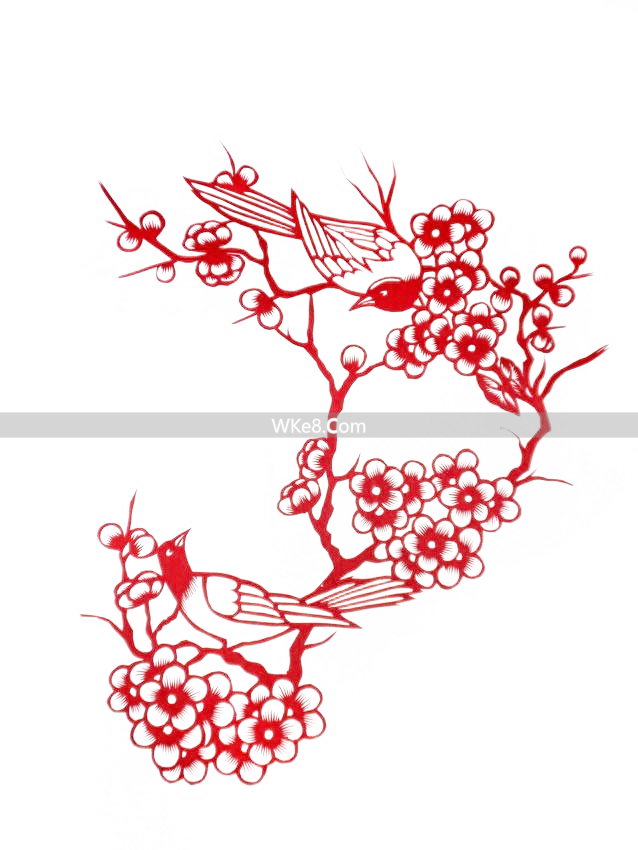
It is not only a beautiful display of folk skills, but also an art form with extremely rich connotations in the history and culture of the Chinese nation.
In the Han Dynasty, the prototype began to sprout. In the later Southern and Northern Dynasties, paper-cut works with real practical significance appeared, that is, the "Five Pieces of Tuanhua" was unearthed, which truly proved that this art has a history of at least 1,500 years of inheritance.
Some academic circles have also conducted research and found that the origin of its skills can be traced back to the gold foil and leather carvings of the Spring and Autumn Period and the Warring States Period. The gene of skills with carving, engraving, ticking and engraving as the core has long been foreshadowed in the creative wisdom of the Chinese nation.
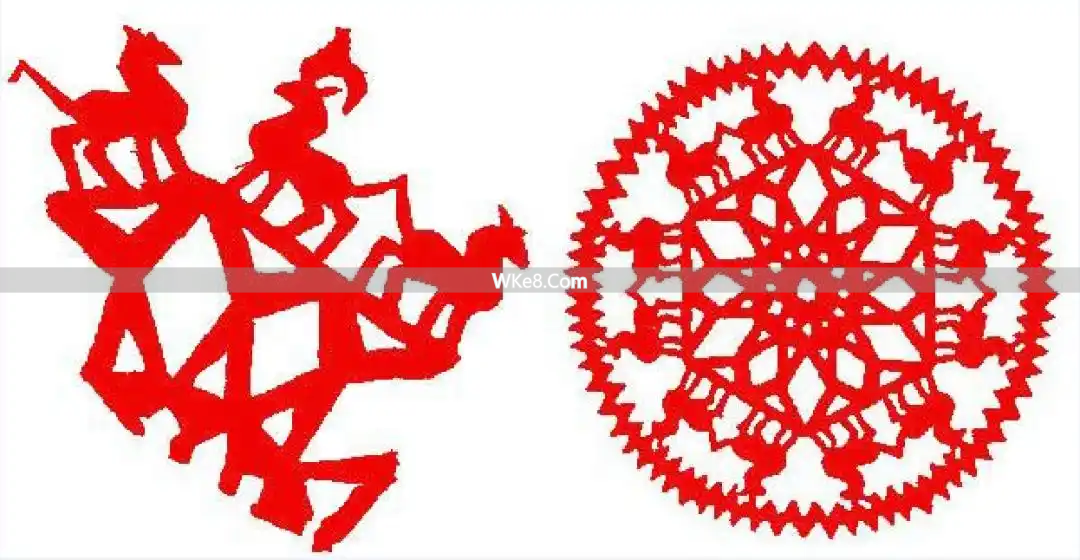
From the moment the art of paper-cutting was born, it has been closely intertwined with people's social life, and has become an absolutely indispensable cultural symbol in various folk rituals.
It may be "paper-cutting to make small flags" at the beginning of the year, or it may be fireworks or wedding flowers at the time of marriage and childbirth. Paper-cutting uses materialized forms to carry people's spiritual needs such as praying for blessings, eliminating disasters, and worshiping fertility.
Li Shangyin, a poet of the Tang Dynasty, wrote poems such as "The success of carving gold spreads Jing customs, and the jiancai brings Jin style to people." This is a vivid footnote to its important position in seasonal customs.
By the Song Dynasty, papermaking technology had reached a mature state, and paper had a rich variety, which provided a material basis for the popularization of paper-cutting, allowing paper-cutting to completely penetrate into market life from specific sites of sacrifices and burial customs, and then form a professional handicraft group.
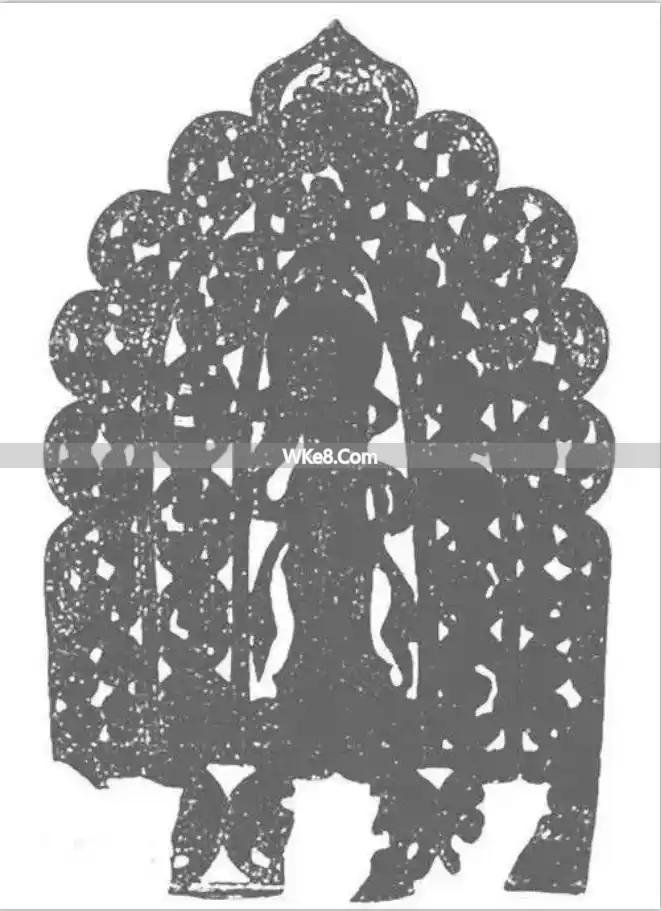
During the two dynasties of the Ming and Qing dynasties, the art of paper-cutting reached a high degree of prosperity. Regardless of the level of sophistication of the craftsmanship or the broad and comprehensive scope of the subject matter, it marks that it has entered its heyday.
In 2009, Chinese paper-cutting was successfully selected into UNESCO's Representative List of Intangible Cultural Heritage of Humanity. This so-called "fingertip art" was marked as a cultural treasure shared by mankind. Its value in historical documents and artistic aesthetics has been widely recognized by the international community.
Everything on the Blade: Technical System, Regional Genealogy and Aesthetic Paradigm
The seemingly simple "a pair of scissors and a piece of paper" actually hides a series of profound and profound technical systems and aesthetic principles behind it.
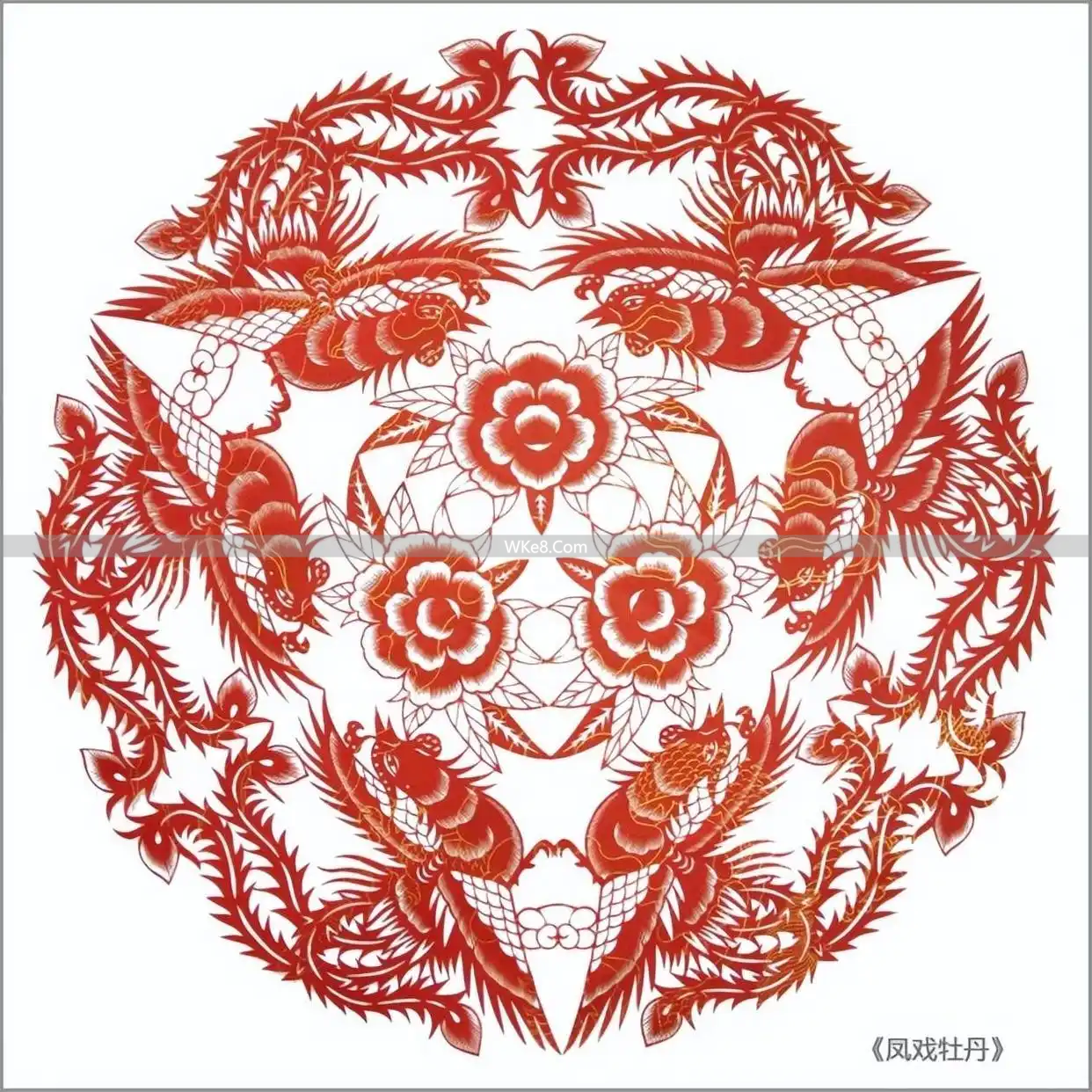
Paper-cutting techniques include cutting techniques, carving techniques, tearing techniques, dyeing techniques and many other techniques. The evolution of its techniques has witnessed the continuous sublimation of the wisdom of craftsmen.
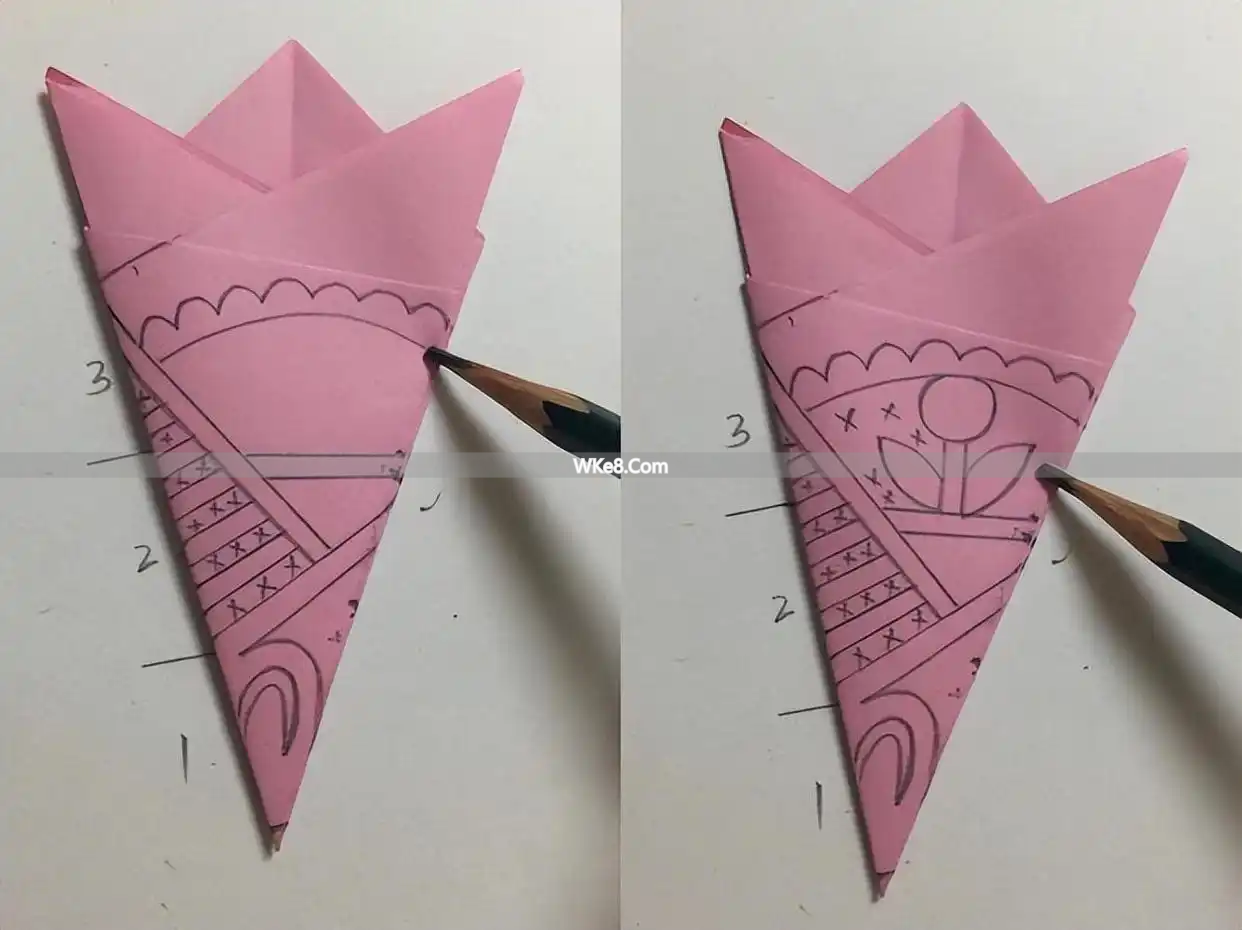
Starting from the basic class name of folded paper-cutting , by folding the paper layer for operation, you can create a symmetrical pattern that outputs two-sided continuous or four-sided uniform patterns. In this way, it embodies the pursuit of order and harmony in Eastern aesthetics; and then to refinement. The micro-type of technique called punching here relies on needle pricking to form dotted lines, and the formed dotted lines are used to place on the embroidery pattern. Ultimately, this method solves the problem of precise connection of multiple layers of paper. This phenomenon reveals the delicacy and ingenuity contained in the technique.
In terms of expression techniques, negative engraving and positive engraving constitute its core language system.
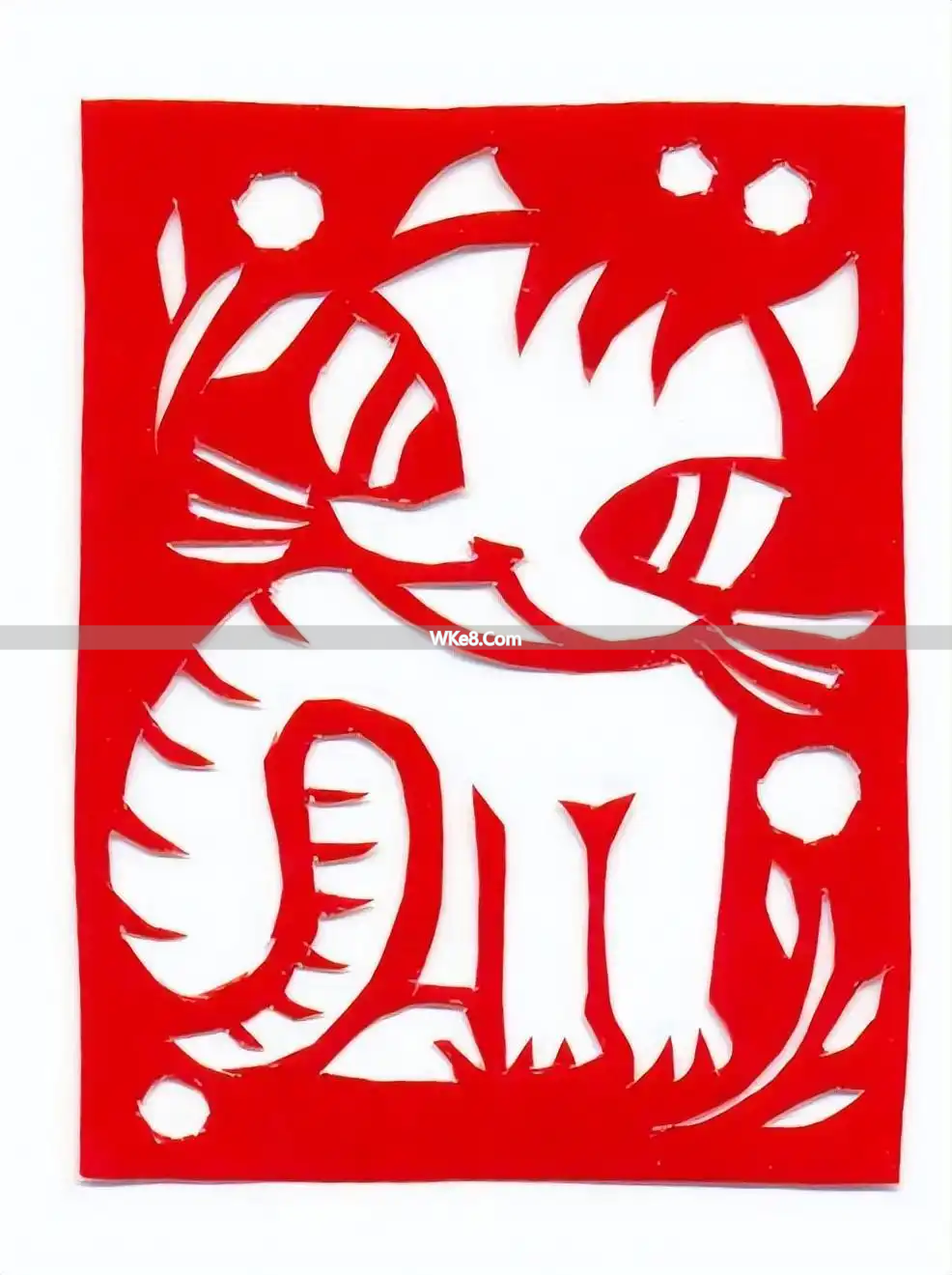
Inverted engraving is used to engrave contour lines, which has a strong sense of blockiness and presents a thick and solid visual tension; however, inverted engraving hollows out the blank space and leaves only lines, thereby showing a smooth, delicate and exquisite texture.
Along with the gradual development of the times, composite techniques such as color registration and color weaving have appeared one after another, which has greatly broadened and extended the visual dimension and performance space of paper-cut art.
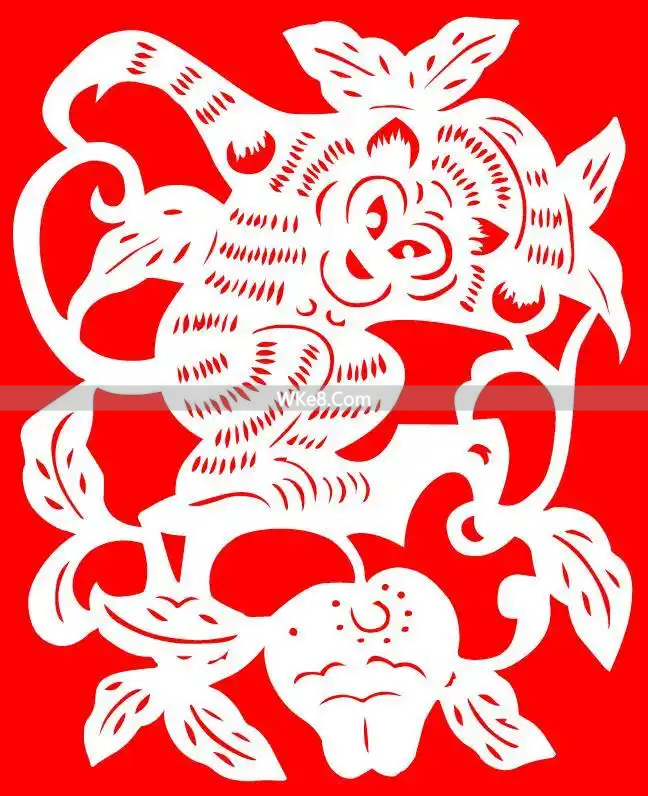
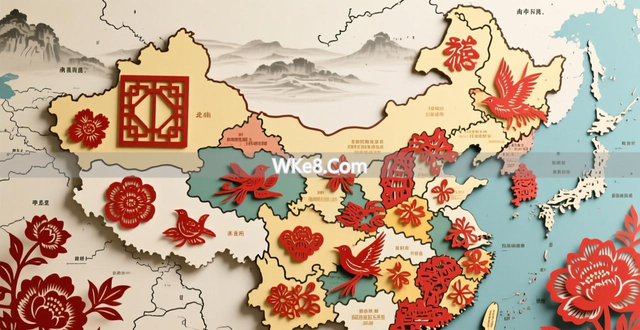
The vast geographical territory of China has nurtured paper-cut schools that are different from each other in terms of style and each have reached a wonderful state, creating a grand, spectacular and amazing cultural scene in the region.
Generally speaking, two major aesthetic paradigms, northern and southern, have been formed.
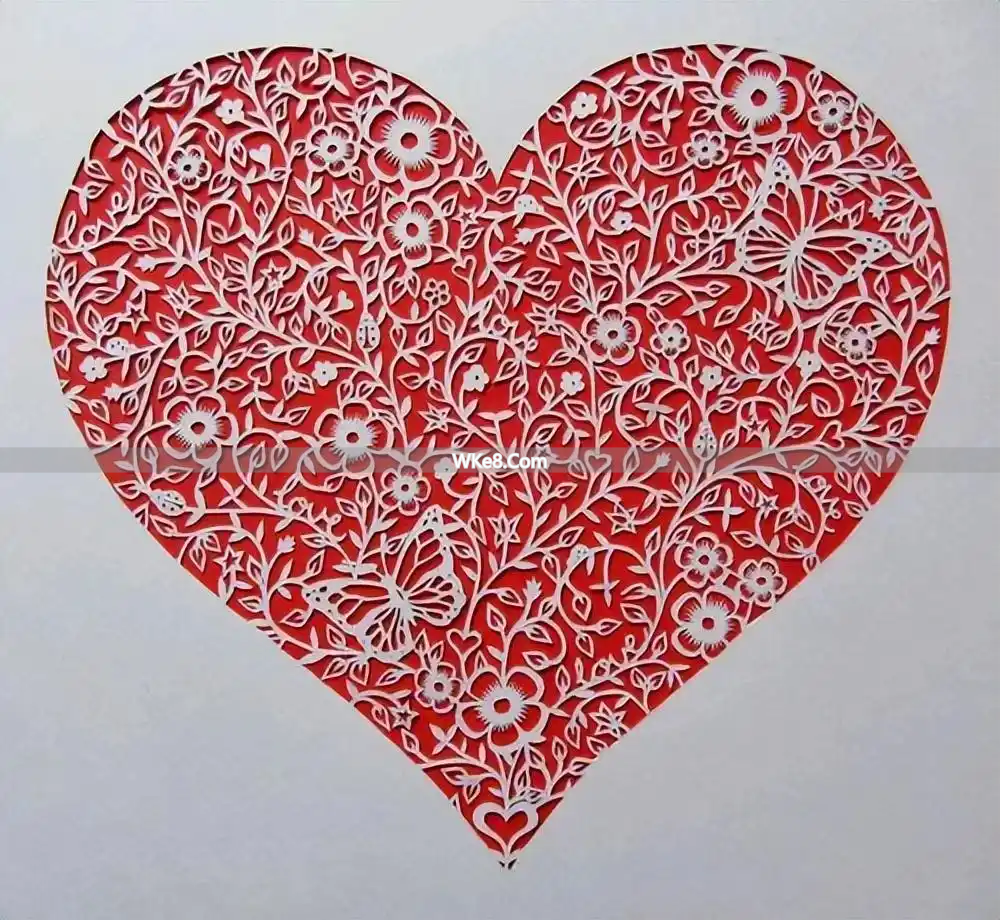
For example, paper-cut works from Hebei, Shanxi, Shaanxi, and Shandong belong to northern paper-cuts. Their styles are rich, rough, rustic, and have a strong folk flavor.
Shaanxi paper-cutting inherits the ancient philosophy of yin and yang, Shaanxi paper-cutting inherits the concept of reproductive worship, Shaanxi paper-cutting retains original totem patterns such as "fish body and human face", Shaanxi paper-cutting has extremely high cultural anthropological value; Shandong paper-cutting is compatible with the boldness of the Bohai Bay, Shandong paper-cutting is compatible with the sophistication of the Jiaodong region, Shandong paper-cutting presents the artistic characteristics of a combination of lines and surfaces, and Shandong paper-cutting presents full and rich artistic characteristics.
Southern paper-cutting is based on paintings, with concise composition, round and smooth lines, and elegant and straight style.
The fine-grained paper-cutting in Yueqing, Zhejiang, focuses on carving out fine negative lines within the outline of a large image, making the structure and rhythm perfect together; the paper-cutting in Sichuan incorporates the mysterious elements of the Tibetan area in Sichuan, showing snow-capped mountains, Tibetan Village and other unique ethnic customs; the paper-cutting of the Miao people in Taijiang, Guizhou, is based on embroidery patterns such as sleeve flowers and hat flowers as the carrier. Its acupuncture technique is thick and fine, which is a perfect combination of national aesthetics and handicraft skills.
There are these, which are called the inheritance school system, and there are those, which are called the essence of craftsmen's skills. The two together form the extremely grand pattern of "hundreds of flowers blooming" presented by Chinese paper-cutting.
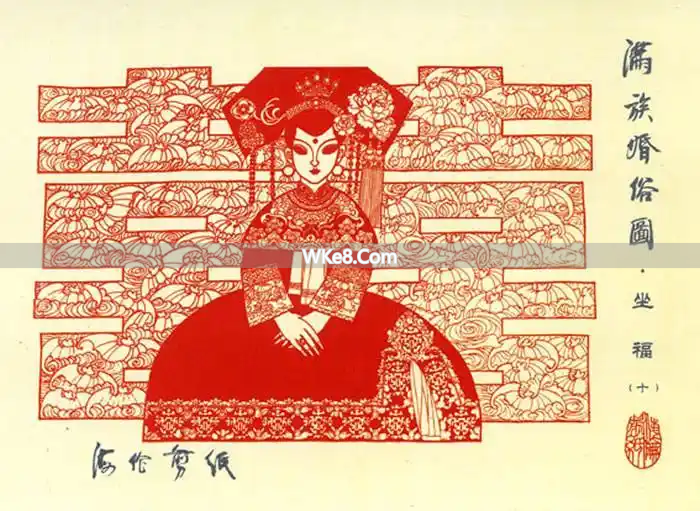
Living inheritance in the context of intangible cultural heritage: from the depths of history to the rebirth of the times
Entering a new era, the art of paper-cutting is an intangible cultural heritage of mankind. Its protection and inheritance have gone beyond the mere transmission of skills, and have turned towards the in-depth exploration of its social and cultural significance, and the systematic construction of its activation value for the times.
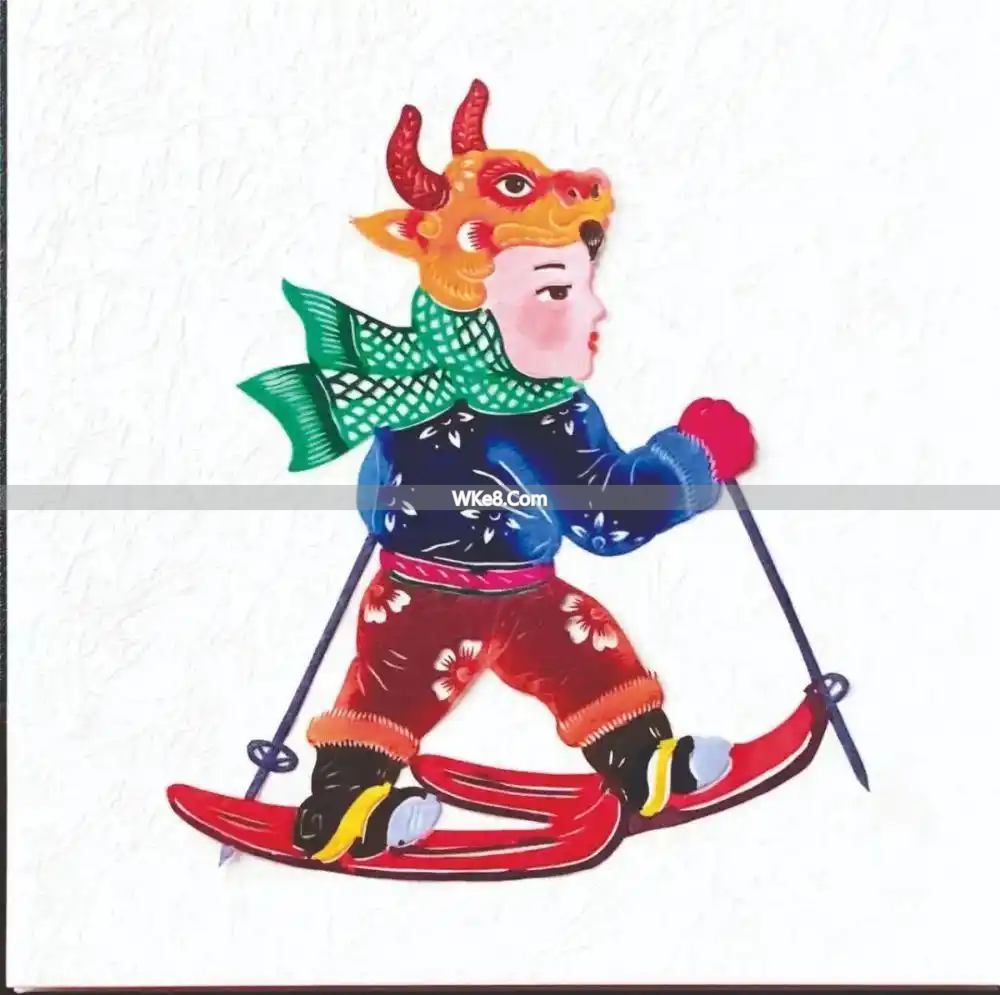
The current intangible cultural heritage protection activities not only pay attention to the identification of representative inheritors and the recording and preservation of skills, but also focus on creating a cultural ecological environment conducive to the living inheritance of paper-cutting art.
In the path of inheritance and development, on the one hand, we must highlight the protection of "authenticity", respect traditional patterns, value core techniques, and cherish folk connotations; on the other hand, we must encourage innovative improvements in subject matter, pioneer and innovative progress in materials, and perform creative transformations in application scenarios.
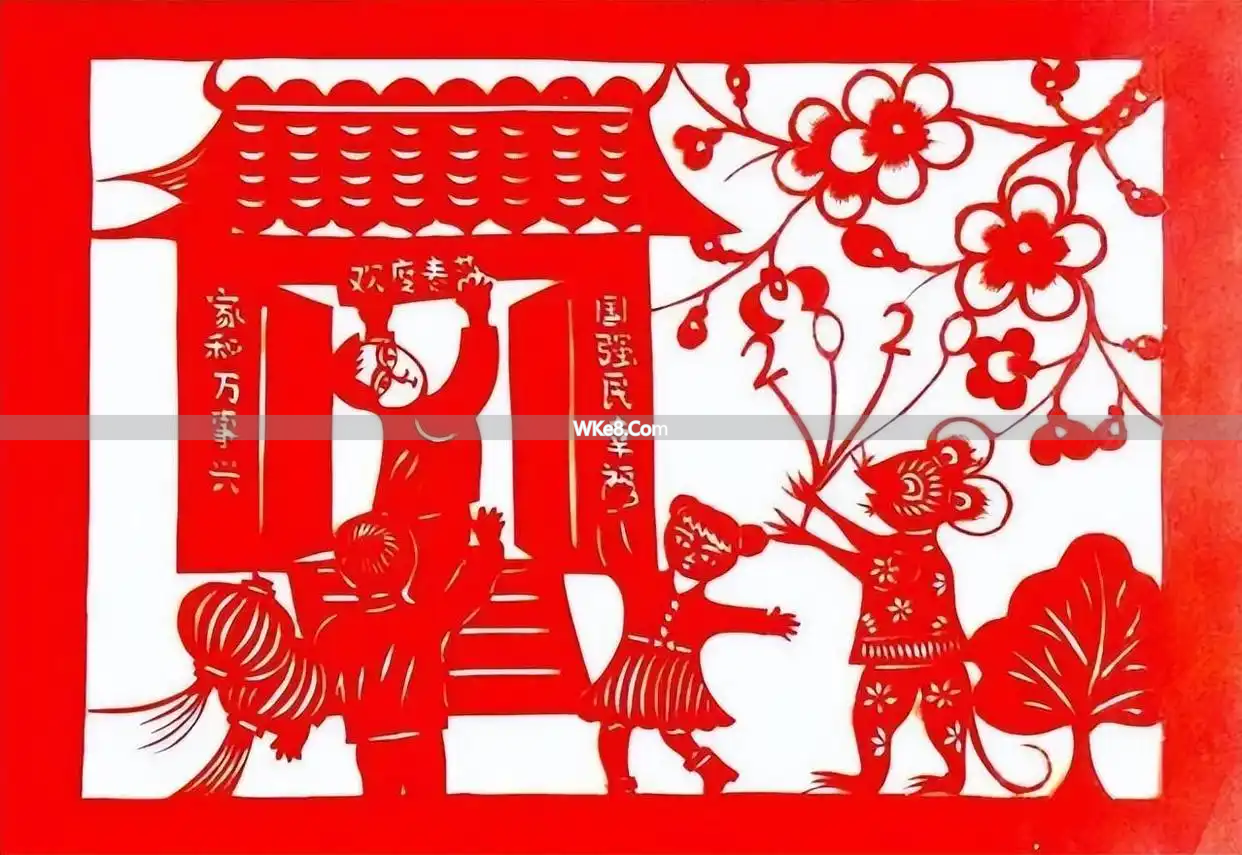
We have witnessed that the art of paper-cutting has gradually evolved from a supporting role in folklore applications to a source of inspiration for contemporary art creation, an entry point of inspiration for cultural and creative design, and the starting point of inspiration for spatial aesthetics.
Various cultural and creative products are introduced, just like the emergence of "Heluo Wenpu", which integrates a number of intangible cultural heritage skills, including "Luoyang paper-cutting", and cleverly integrates it into modern gaming cards, truly becoming a useful exploration of intangible cultural heritage into modern life.
It is based on the theory of the Five Elements and is also based on mathematical logic. It integrates many multi-cultural elements such as poetry, clothing, and regional scenery, allowing participants to travel through time and space during the game to feel the wisdom and charm of intangible cultural heritage.
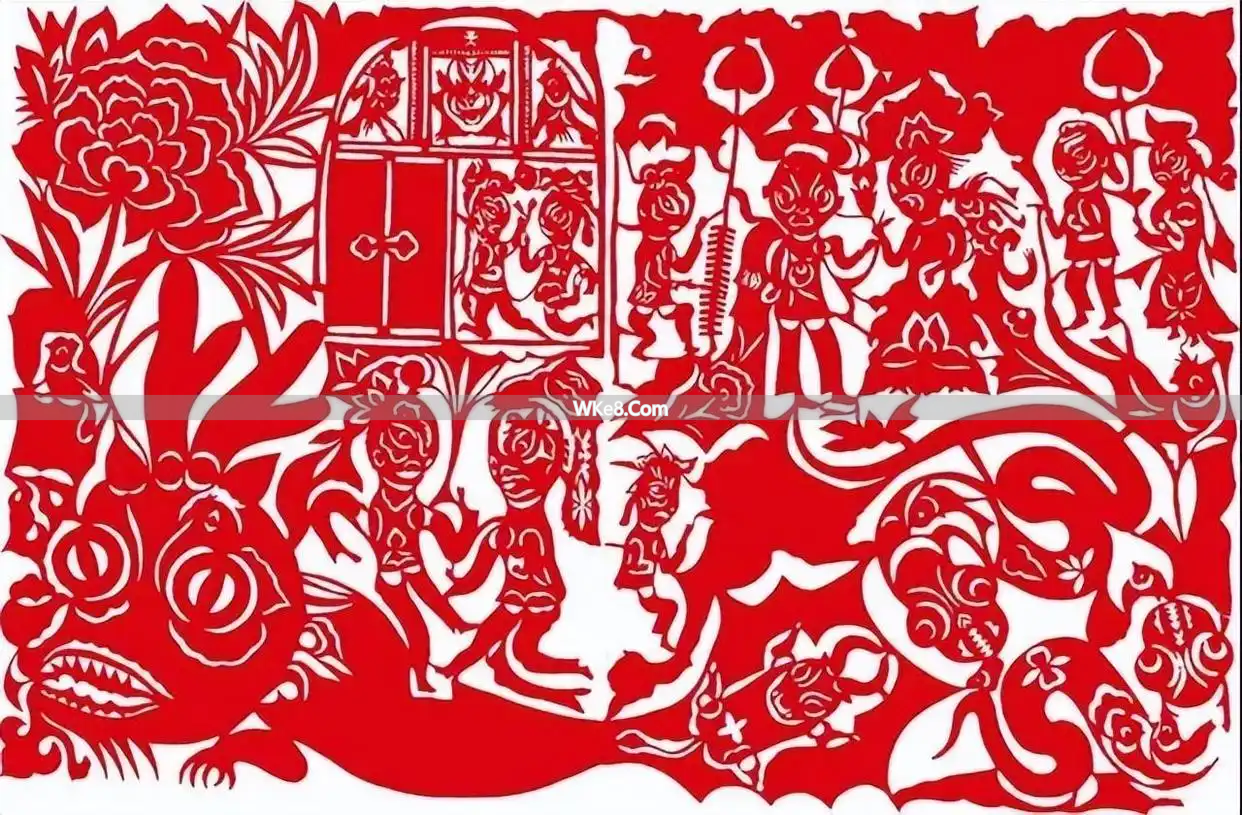
For example, the Jiachen Year of the Dragon New Year gift box launched by "Asia-Europe Culture" combines the art of paper-cutting with Wenba, Five Elements Chess, Chinese Traditional Chinese Desk Calendar, etc., and uses the form of "New Year's goodies" with a more contemporary feel to convey the cultural implications of traditional festivals.
These innovative practices are, in essence, a contemporary expression of the historical document value and national spirit contained in the art of paper-cutting. Under the premise of ensuring that the core elements of intangible cultural heritage will not deteriorate, they have effectively expanded the communication boundaries of paper-cutting and enhanced the public's sense of identity with traditional culture, especially the younger generation.
After thousands of years of looking back, paper-cutting has been passed down on the blades and fingertips. Looking to the future, this ancient "world on paper" will inevitably shine more dazzlingly in the process of intangible cultural heritage protection and living inheritance.
Comments NOTHING