
Yesterday, a man came into the consulting room with a box of durians in his hand. As soon as he came in and before he could sit down, he asked me: "Doctor, can I eat this damaged part?" In an instant, the smell filled the whole room.
I took a look at his wound. He was recovering well, but it was a little red and swollen.
In fact, durian is quite interesting. Traditional Chinese medicine shows that it has heat properties and belongs to the category of hair-raising substances. Some people will indeed suffer from internal heat after eating it. There are related reports that one patient's wound was almost healed, but after eating durian, pus began to flow again, which shocked him greatly.
But that guy has a hot and humid constitution and is not suitable.
Wound healing is complicated at the same time, and simple at the same time.
Can durian be eaten?

There are many different opinions on the Internet and they are extremely complicated. In this case, some doctors have stated that durian is not a typical hair product. On the contrary, it has high nutritional value and can be eaten for those who are weak after surgery. At the same time, some doctors claimed that tropical fruits may cause allergic reactions and therefore recommended not to touch them in the early stages of surgery.
Actually, the key is just one sentence: If you are not allergic and eat in moderation, there will be no big problem.
Durian contains protein and vitamin C, which are needed for wound healing. However, if your physique is prone to heat type, or the wound is in a state of inflammation, then you might as well bear with it for the time being.
What you should really pay attention to, you may be thinking wrongly
Many people pay close attention to "Fawu" and believe that seafood, beef and mutton are absolutely untouchable. In fact, compared to these, the "invisible killer" that really affects wound healing is——.
Foods containing high concentrations of sugar, such as cakes and milk tea, will cause blood sugar to rise sharply after consumption, and bacteria prefer to be in a high-sugar environment. The other is tobacco and alcohol. Alcohol will dilate blood vessels, thereby aggravating swelling, while nicotine will constrict blood vessels, making the resources used to repair cells seem to be in a "hungry" state.
So what should I eat?

Enough high-quality protein, including eggs, milk, lean meat and fish, is the "building block" for recovery.
Don’t miss vitamin C. Orange, kiwi, and green pepper help synthesize collagen.
You also need to supplement zinc, which is found in nuts and lean red meat.
To put it bluntly, it’s about balanced nutrition, don’t be superstitious about a single food.
Nursing is more important than eating
I told the patient to use saline to clean the wound every day, keep it dry, and change the dressing according to the prescribed time. Don't scratch it with your hands. If you feel itchy, pat it gently.
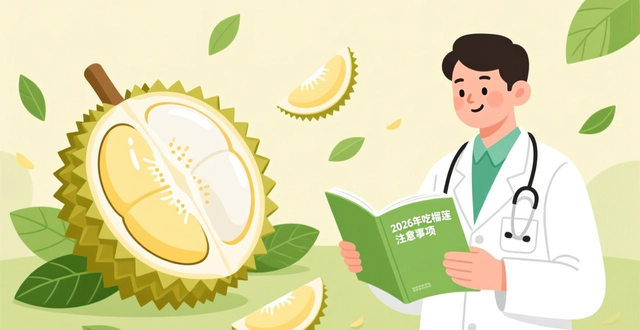
He nodded and asked again: "Can durian be eaten?"
The corners of my mouth raised slightly, and I said: "There is nothing wrong with eating one or two less pieces, but don't eat the whole thing at once. Pay careful attention to the reaction of the wound. Once the redness and swelling become more serious, don't eat anymore."
He breathed a sigh of relief and left carrying the durian.
In fact, many times, we are too entangled in "whether we can eat it or not", but we ignore the most basic care and balanced nutrition. Wound healing is a systematic project. Don't pin all your hopes on "taboos".
That's right, when the wound is in the recovery stage, you should try to minimize staying up late. Only when you have a good rest can the body's immunity be strong. This is more effective than eating anything.
Comments NOTHING