
There was a rumble, and thunder seemed to roll across the roof.
The window glass was shaking, and so was my heart.
This season is here again. The air in the south is so sultry that it can squeeze out water, and the hail in the north is here. In summer, life is given by the air conditioner, but it is also what Leiden wants to take back. Are you right?
## Why did a good home appliance "explode"?
I have a cousin in my hometown, just last year. First there was a muffled thunder, and then all the lights in the room went out at once. Then, a puff of smoke came out of the router, and the computer screen went black, unable to be turned on anymore. He asked the maintenance man to come over and take a look. The man said that the lightning did not hit his house directly, but that the lightning struck a wire a mile away from his home. The high-voltage electricity followed the wire and came in like a ghost.
This is called conductive lightning.
It is not as sensational as a direct thunderbolt, but it is extremely insidious. If lightning strikes a line in the distance, or it is just a simple electromagnetic induction phenomenon, it can generate a very high voltage, and then follow the power lines in your house and the network cables used to connect various devices for information transmission, sneaking in and occupying your house quietly, like a sneak groping in the dark, breaking all kinds of electrical appliances that you have carefully protected in just an instant.
## Can avoid direct lightning, but cannot avoid induction lightning
We always feel that high-rise buildings in the city have lightning rods, so what are we afraid of?
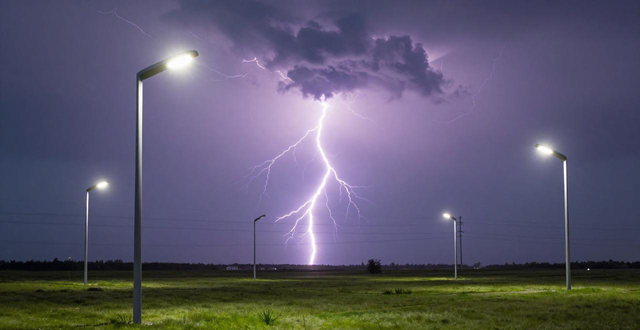
In fact, a more common threat is induction mines. The clouds fight with each other, crackling with electricity, and the powerful electromagnetic waves generated spread out in all directions, like invisible ripples. This kind of interference will induce complex voltages in all the wiring in your home, generally called common mode and differential mode interference.
It will mess up the data of your running device, and in severe cases, directly burn out the power module.
There is a situation that is quite unfair, that is, switch overvoltage. When you turn off a light, or when the refrigerator compressor starts or stops, a high-voltage pulse will be formed in the circuit itself, which is 3 to 5 times the normal voltage. Usually there is no problem. However, in the summer when the voltage is unstable, this pulse may become the final factor that causes the camel to fall.
At this point, you may think, then I can just pull the plug, right?
Indeed, unplugging is the clumsiest but most effective way. But, who can pull out and plug in the plugs of refrigerators and air conditioners repeatedly every day? Moreover, many people do not know that it is not enough to just turn off the electrical appliance. As long as the plug is still plugged into the socket, the transformer will be energized. Once a lightning surge comes, it will still be burned.
## How to prevent it? In fact, light poles are smarter than us
I have specifically explored the lightning protection measures for LED street lights in the city today, which is quite interesting. They are exposed to wind and rain every day outdoors, and their chances of being struck by lightning are much higher than ours. However, they have a "life-saving concept" that we can definitely copy.
First, there must be a "golden bell".
The lightning protection zone formed by street lights will place the power supply and control equipment in a metal case. The metal shell can directly shield the outer shell from electromagnetic fields, making the equipment placed inside relatively safe. This is just like during a thunderstorm. When we hide in a car, even if there is lightning and thunder outside, the people in the car are still safe because the car body is like a Faraday cage.
Second, everyone "hand in hand" carries it together.
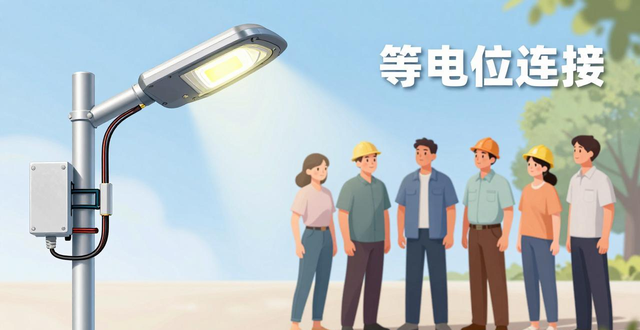
There is a word that exists in street light design called equipotential connection. All metal pipes, shells and internal circuits are connected together with the help of lightning arresters. In this way, when the voltage suddenly rises, everyone's potential is the same, so there will be no potential difference, and thus no arc or breakdown will occur. This is just like a group of people standing on the ground hand in hand. The potential of the ground increases instantly. However, because everyone's own situation is the same, no one is shocked.
Third, work hard both internally and externally, don’t expect to fight alone.
External lightning protection, such as lightning rods and down conductors, is used to deal with direct lightning strikes to prevent fires and injuries. However, the real protection of equipment from damage relies on internal lightning protection, that is, grounding and voltage protection. The two need to be combined, just like we have lightning protection strips on the roof of the house and anti-surge sockets in the house.
## Moist, a killer more sinister than thunder
By the way, I have to mention a moist mouth.
In summer, in addition to thunder, there is also rain, and the air is so humid that it is as if water can be squeezed out of it. In this case, even if there is no thunder, electrical appliances are prone to malfunction.
The dust inside those sockets is usually insulating. Once it gets damp, the dust absorbs water vapor and becomes a conductor. When the plug is inserted, sparks appear with a "pop" sound, and the socket can be burned black in just 3 seconds.
After a heavy rain, water flowed along the walls and into the sockets of residents' homes in Chengdu. The sockets sprayed water directly outwards as if they were "crying". Isn't this terrifying?
## Finally, the most important "life-saving straw"
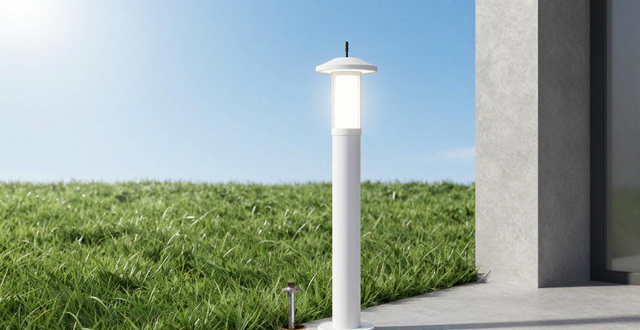
After talking about so many theories, in fact, when it comes to implementation at home, it only involves a few small things:
If your budget allows, install a lightning protection module or a surge protector on the main distribution box in your home. This is the most direct way to deal with conducted mines and induction mines. Street light power supplies must pass the strict GB 19510.12 standard. For the protectors in our homes, we should try our best to purchase high-quality ones.
When there is a particularly violent thunderstorm, you must unplug delicate devices such as TVs and computers, as well as network cables. Simply shutting down the machine is not enough, you must unplug it.
Also, check the sockets in your home. If the jack is blackened or sparks appear when inserting the plug, replace it as soon as possible. For sockets in wet areas such as bathrooms and kitchens, be sure to install splash-proof boxes and ensure that the ground wire is in good condition.
I am writing so much because there was another thunder just now.
The street lights outside the window are still on, presumably its internal lightning protection system is working silently.
I hope this summer will only be cool and not frightening.
May your appliances and your life be safe and sound.
Comments NOTHING