
When it comes to eating, as a Chinese, the emphasis is on "what tastes good". However, at a deeper level, what is important about food is "eating and drinking in moderation".
This "section" is both rhythm and measure.
After the age of fifty, the delicate body instrument that has been running for half a life will always have certain parts that need more careful care.
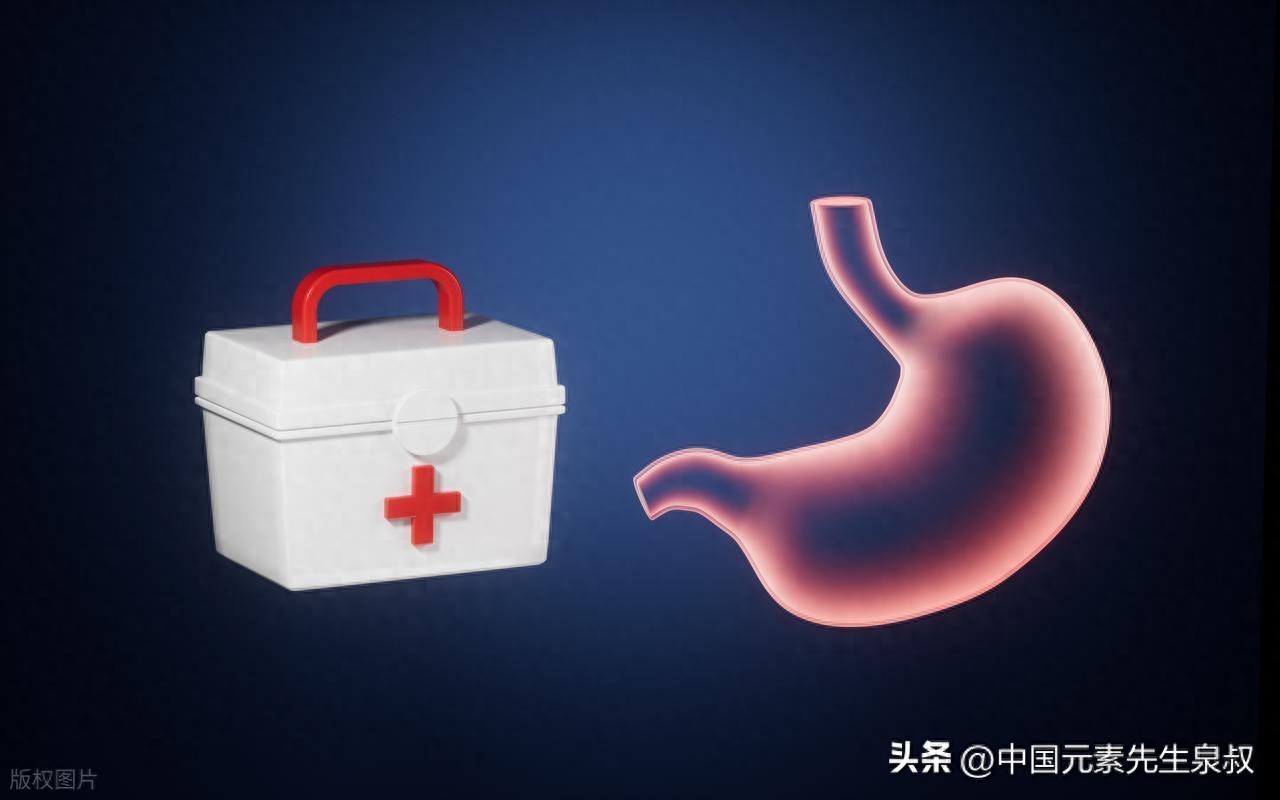
In the final analysis, the troubles of my old colleague Uncle Zhang are due to changes in the "water and soil" of his stomach.
He asked me, after taking the medicine and not eating anything cold, why could the "burning" situation in my stomach not subside?
In fact, what is burning is not fire, but the "body fluid" in the body is out of balance.
In our traditional diet, there are already hidden ways to resolve it. We just swallow it like a gulp without savoring it carefully.
Zinc and selenium, these two names sound like they are elements that only exist in the laboratory, but you must know that on the dining table used by our ancestors, they have long become the "peacemakers" that can quietly nourish things and play a role in reconciliation and coordination.
Zinc is the skilled craftsman who repairs the "stomach wall".
Look at that oyster. People in Lingnan call it "oyster". The "Compendium of Materia Medica" states that it can "treat weakness and regulate the body."
The word "tune in" exactly expresses the wonderful function of zinc.
It nourishes the gastric mucosa in a gentle way, just like re-applying a thin layer of delicate "glaze" to an old pot that has been used for many years.
During festivals and New Years, a plate of stir-fried oysters with ginger and green onions is indispensable on the dining table along the southeastern coast, or the oyster omelet that is a must-have for the Hokkien people during sacrifices. Not only is it coveted for its delicious taste, but also in the atmosphere of fireworks, with the "zinc" gift given by God, it secretly protects the spleen and stomach of the family.
Compared with friends from the south, friends from the north may be more familiar with the bowl of beef stew with a rich sauce aroma. The red meat contains zinc, and the soup obtained by simmering it slowly over a slow fire can also warm the spleen and stomach while warming the heart.
Besides, Selenium is a person who understands that "harmony is the most precious".
In ancient times, people paid great attention to the "harmony of the five flavors" when cooking. However, the role of selenium is to reconcile the "fire poison" in the body.
Eating sweet garlic and drinking bricks can relieve the greasiness and heat caused by eating hot pot and mutton, so we do this.


The reason behind this is exactly the same as the anti-inflammatory and antioxidant effects of selenium.
Especially during festivals, when the table is full of chicken, duck, and fish, the body will inevitably get "heated" after the joyful gathering.
At this time, the bowl of light fish rice eaten by people in the Chaoshan area, or the few shreds of green onion and ginger placed on top of the steamed seabass in Jiangsu and Zhejiang, all reveal the wisdom of health preservation.
The selenium element from fish is like a gentle and kind "fireman"; after the jubilant atmosphere brought about by changing cups and cups, it will quietly eliminate some fire from the body's "internal environment".
Although there are only one or two Brazil nuts, they are imported items, but the richness of the selenium element they contain reminds us of the walnuts imported from the Western Regions in ancient times. They are also rich in oil and good for the body. However, even if they are good things, they must adhere to the principle of "eating without food". One or two nuts are enough. This is the so-called "Jiedu".
When Chinese people cook, the most important thing is a pot of "broth", which is the basis for the deliciousness of the dishes.
The health of the stomach also requires such a pot of "soup" made from a variety of nutrients.
Zinc and selenium are the two most important "freshness-enhancing ingredients" in this soup. They do not directly inhibit the "main ingredient" of gastric acid, but they strengthen the "pot" of the stomach wall so that the "fire" does not burn too strong and the "water" does not boil too violently.
Therefore, the way to care for yourself is not to abandon the basics but to return to daily life.
Looking back, the "Thoughts of Water Shield" in the Jiangnan water town is not only nostalgia, but also the few strands of silver fish silk slipped into the bowl of water shield soup, which can provide gentle nourishment. Let's look at the sausages and bacon hanging in the twelfth lunar month. Although they are indispensable in the taste of the New Year, if they are paired with a few plates of fresh seasonal vegetables rich in trace elements, it will be the balance of yin and yang in a meal.
In the fillings of northern dumplings, more lean meat and shrimps are chopped; on top of southern claypot rice, slices of liver and sausages are placed. These seemingly ordinary combinations are actually "nutritional prescriptions" written by our ancestors for thousands of years in dietary practice.
After all, a stable stomach is a blessing given by time.
On the basis of following the doctor's advice and regular work and rest, we might as well take a closer look at our own dinner plates.
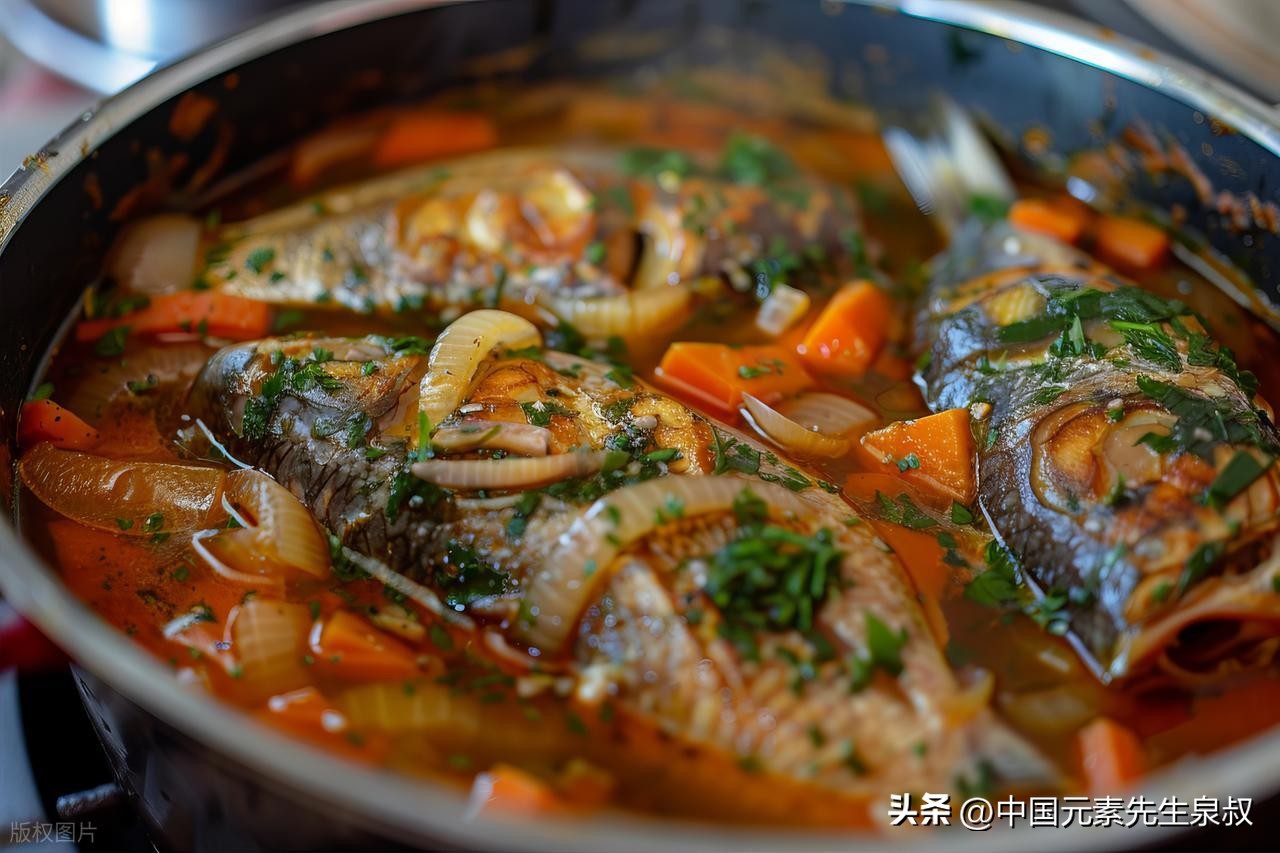
In every bowl of porridge and every mouthful of rice, there are not only grains to fill the stomach, but also joyful celebrations of festivals, and there are also silent but always loyal "guardians" like zinc and selenium.
They are blended into the unique taste of our hometown and hidden in the unique scenery of the season. They do this in the most gentle way, helping us to strengthen the wall that protects the center of the burn, so that when we savor the fireworks of the world, we can be more calm and leisurely, and less burning.
Comments NOTHING