
Folk art has a long origin in China. It is the precious spiritual wealth accumulated by the Chinese nation in the long historical process. It carries profound cultural memory and collective wisdom.
These art forms that originated in the countryside and spread among the people are not only a display of skills, but also a key carrier of national cultural identity, showing the working people's understanding of life, their pursuit of beauty, and their persistence in tradition.
Chinese calligraphy and painting, as the core representative of traditional art, use pen, ink, paper and inkstone as media to integrate literary artistic conception, painting style and calligraphy charm into one.
Whether it is the profound and far-reaching artistic conception of landscape paintings, the vividness and expressiveness of flower-and-bird paintings, or the rhythm and power of lines in calligraphy works, they all reflect the spiritual realm and cultural accomplishment of the creator.
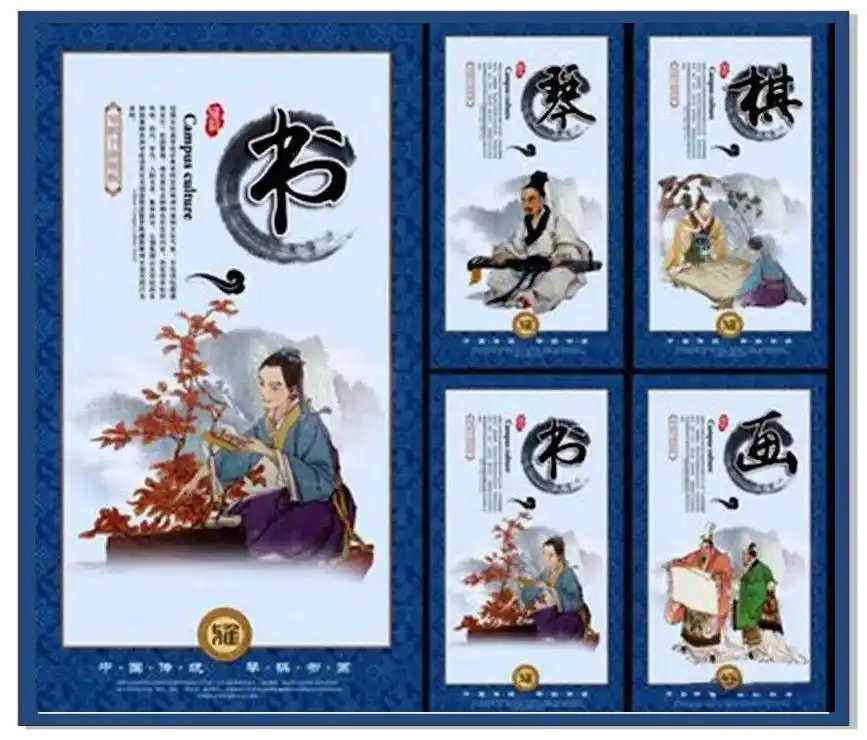
That kind of artistic style is not just a visual aesthetic presentation, but a concrete manifestation of the philosophical concepts and aesthetic pursuits in Chinese culture.
Among them, singing, reading, acting and playing are integrated into the art of opera. This is indeed a form of stage performance, and it is a particularly highly comprehensive one.
It uses stylized performance methods to interpret historical events and various aspects of the human world. It also organically integrates many elements such as music, dance, literature, and martial arts.
The operas of different genres are sung, the masks and costumes are colorful, and every detail contains rich historical information and regional characteristics. It is an important window for studying Chinese social changes and folk culture.
Shadow puppetry, known as the earliest "animation art", has such characteristics. The craftsman will use a knife to carve images, and then use light to reveal the shape, and manipulate the puppets behind a translucent curtain used for performance, and also add singing and instrumental music to tell stories that have been passed down through the ages.
There are many processes. When making a shadow figure, you have to go through the process of skin selection, carving, coloring, and sewing. The craftsmanship is extremely delicate, and the character shape is extremely vivid.
This comprehensive art brings together sculpture, painting, performance, and music. It vividly preserves the tradition of ancient folk narratives, and it retains the aesthetic taste of ancient folk narratives.
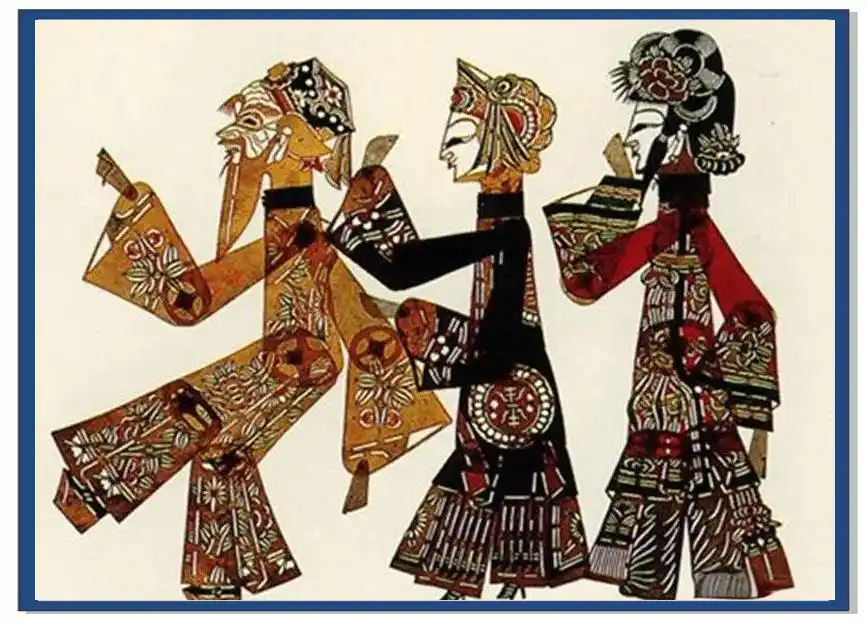
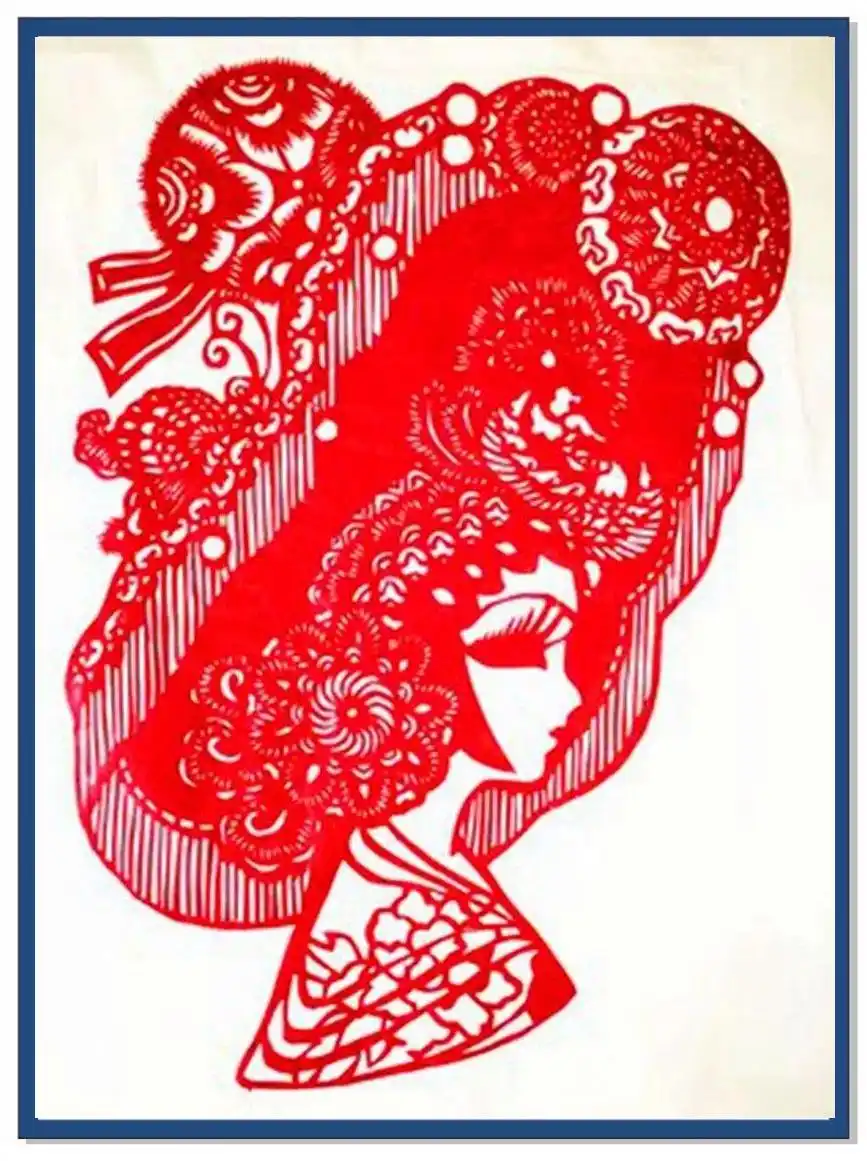
Folk paper-cutting art uses the simplest materials to create the richest art world.
First there were artists, and then, with just a pair of scissors or a carving knife, they were able to transform paper into patterns of various shapes that meant auspiciousness.
Paper-cut works are widely used in festivals and customs, and are also widely used in daily life. Its patterns often carry the simple wish of praying for blessings and auspiciousness, reflecting the customs and habits of a specific region and the aesthetic orientation of a specific region. It is a living material for the study of folklore.
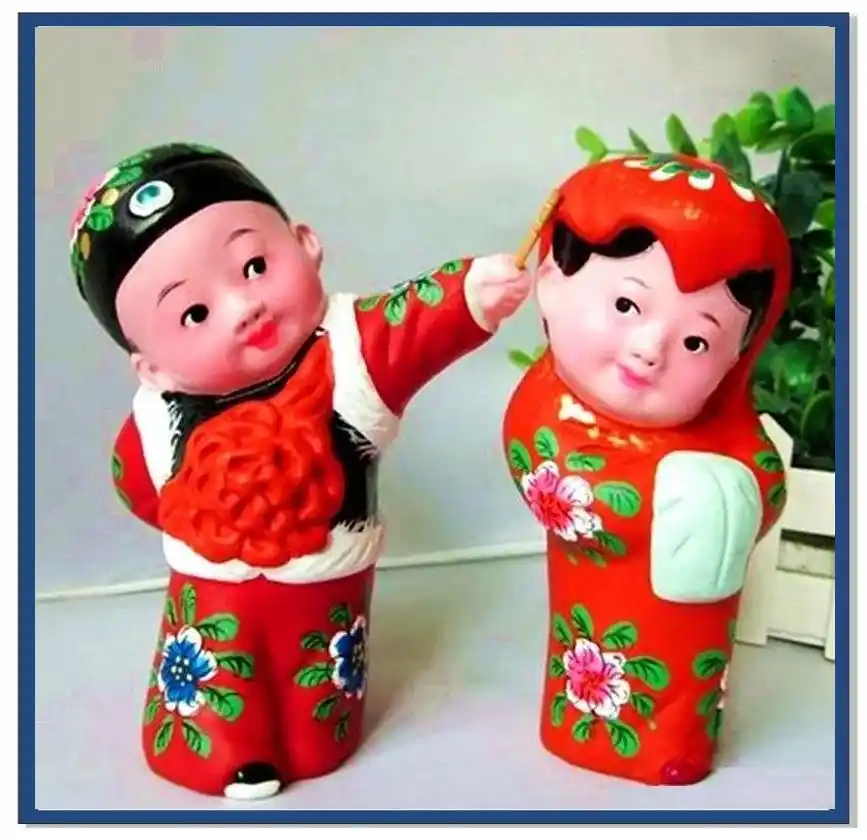
Clay is the main material used in clay sculpture art. Artists use techniques such as kneading, shaping and carving to create images of people and animals with different expressions.
This skill has corresponding requirements for creators, requiring them to have keen observation and solid modeling skills. Especially in traditional clay sculpture, there is a saying that "three-point sculpture, seven-point color", which emphasizes that color painting plays a key role in enhancing the charm of the work.
Clay sculptures vividly record Chinese folk beliefs and urban life.
In the early production and life of mankind, hand-weaving technology was born, and then it gradually sublimated into creative artistic expression.
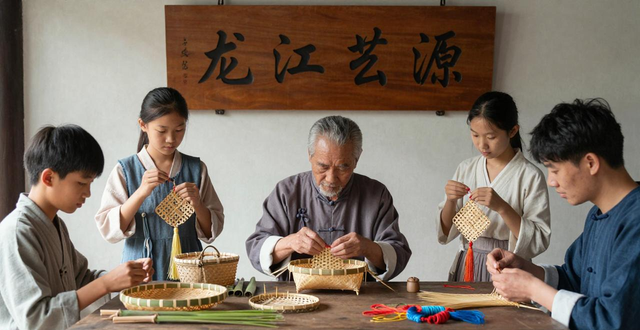
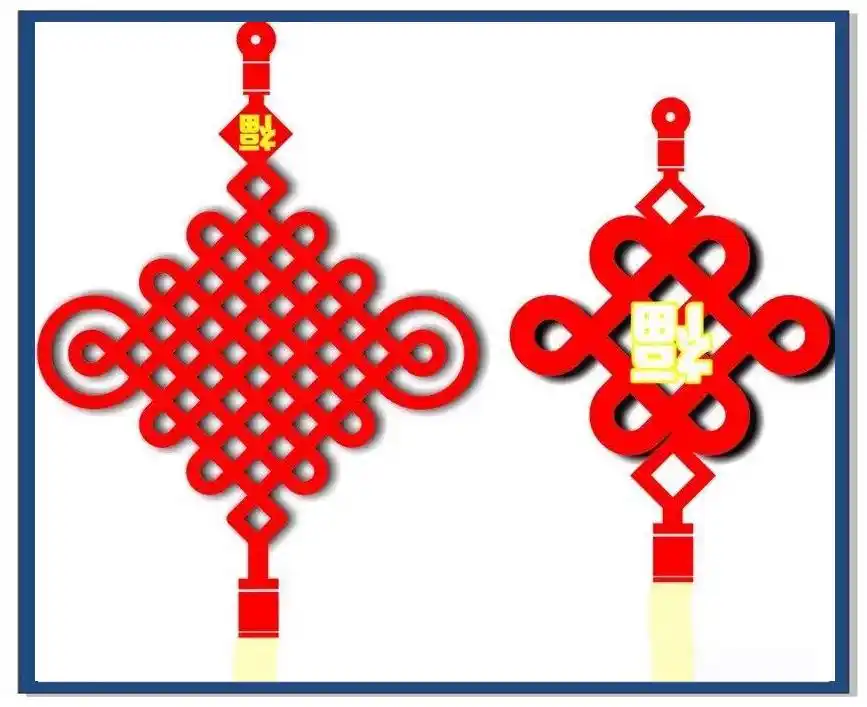
People engaged in performing arts use natural materials such as bamboo, rattan, grass, and string to create supplies and decorations that have both practical and aesthetic value by interweaving warp and weft, crocheting, coiling and knotting.
The abstract thinking of folk artists and their grasp of the laws of nature are reflected through the common geometric patterns and auspicious symbols in weaving patterns.
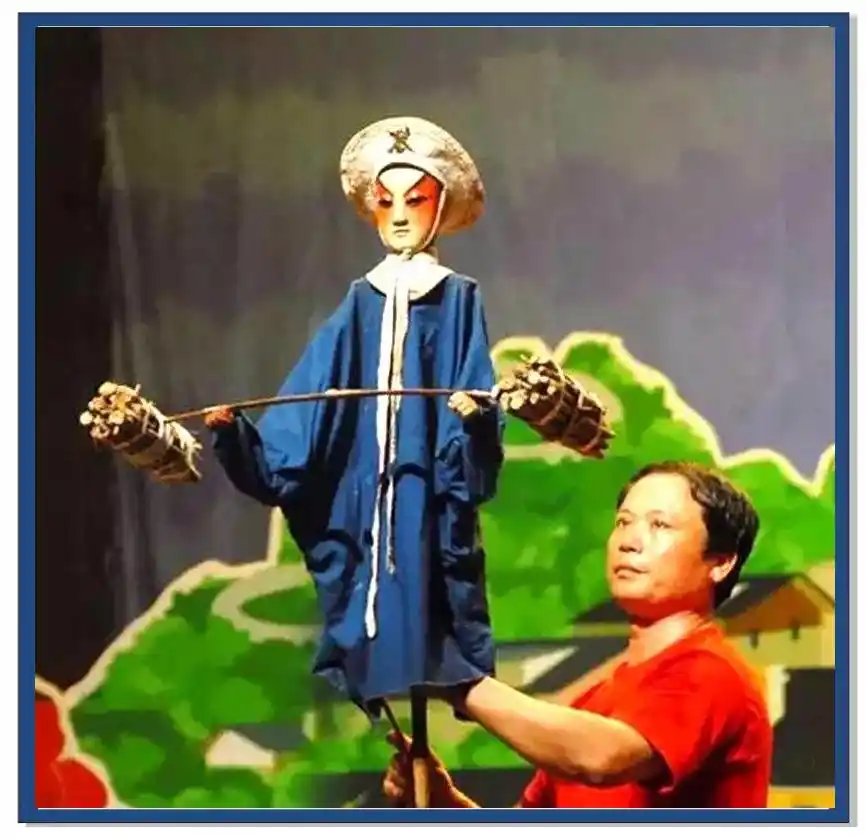
Puppetry, in which artists control puppets to perform dramatic performances, is a subtle fusion of sculpture, painting and stage art.
In itself, the carving and manufacturing of puppets is a complicated skill, which requires vivid images and flexible joints.
During the performance, the artist uses strings, sticks, or gloves to control the puppets, and then adds vocal dialogue to make the puppets appear "alive" and interpret the joys and sorrows of the world.
This art form plays an important role in folk sacrifices and festivals.
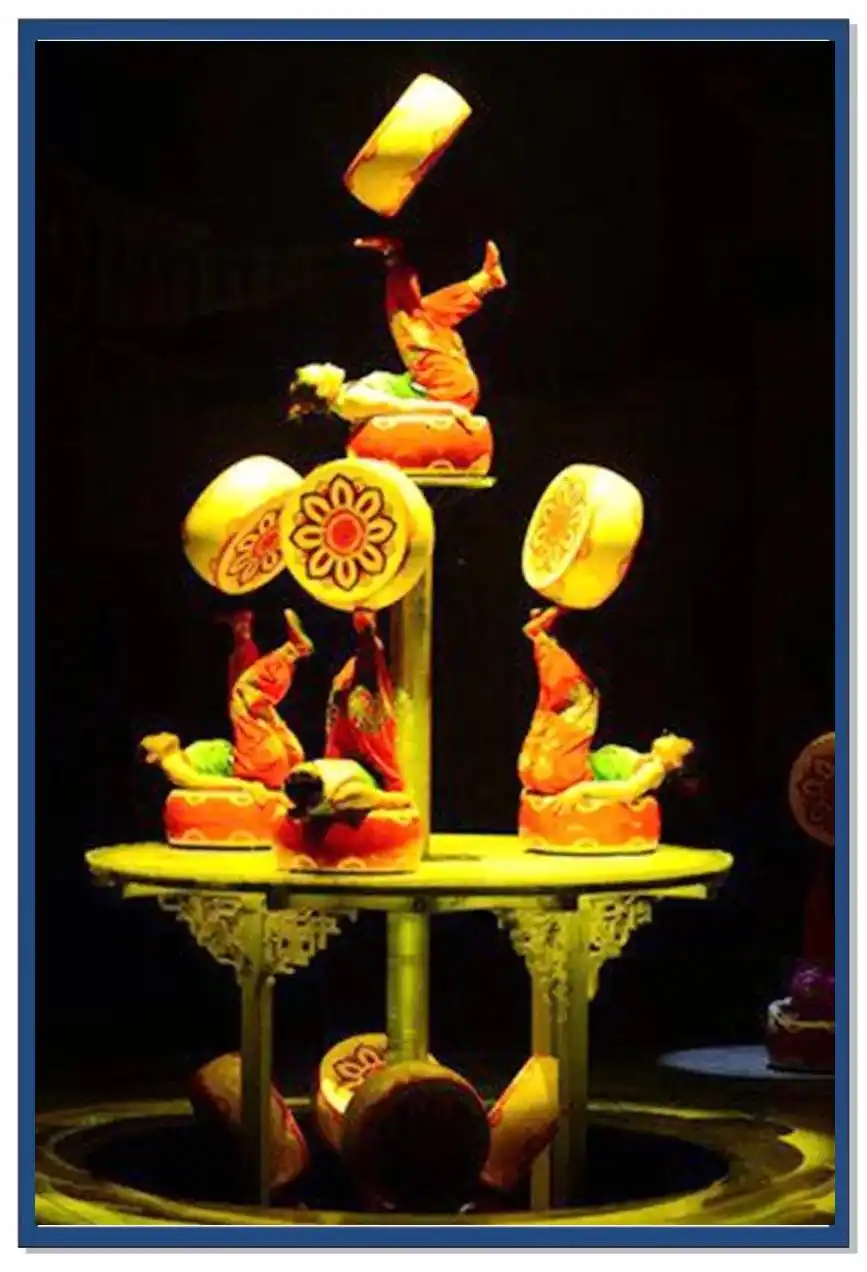
Chinese acrobatics has a history of thousands of years, and its skills have a distinctive introverted character, as well as the ability to challenge the limits.
Acrobatic performers, after long and arduous training, have maximized the hidden abilities of the human body, showing a perfect fusion of strength, balance and flexibility.
Starting from the "Baixi" in the Han Dynasty and continuing to acrobatic groups with their own characteristics in various places, this art form has always been innovating in the process of inheritance, fully demonstrating the perseverance and perseverance of the Chinese nation.
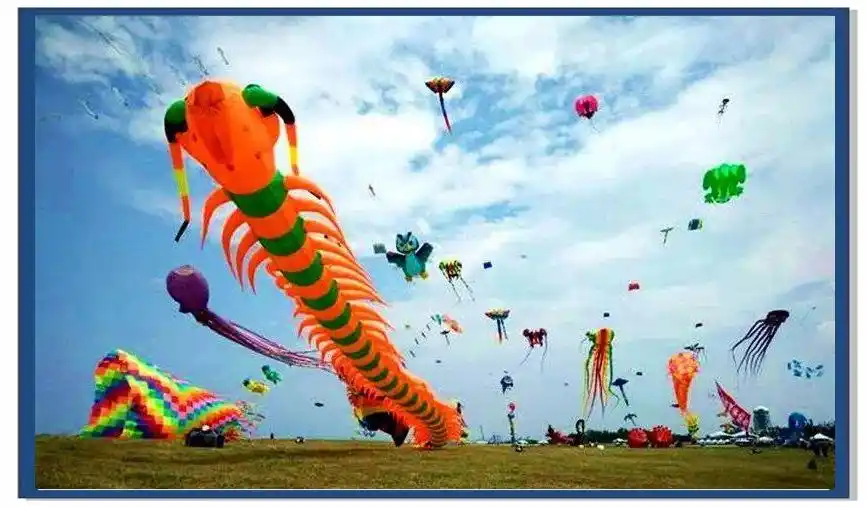
Kite making techniques include tying techniques, pasting techniques, painting techniques, and flying skills. It is an exquisite fusion of physical principles and artistic creation.
A variety of traditional kite shapes, with patterns mostly derived from folklore and auspicious symbols, fly in the blue sky, carrying people's yearning for a better life.
It is not only an entertainment activity, but also a precious sample for the study of folk crafts and folk customs.
Dragon and lion dances are an important part of festival ceremonies. Among the people, dragons and lions represent auspiciousness and strength.
The performers, who cooperate with each other tacitly, rely on their martial arts skills to imitate the expressions and movements of animals, thereby giving them fresh vitality.
The production of dragon and lion props is a specialized skill and is related to the production of specialized skills. It involves bamboo tie craftsmanship, painting craftsmanship, cloth sewing craftsmanship and other crafts.
This art form condenses ethnic identity and conveys the national spirit of unity and progress.
These folk art treasures together constitute the rich and colorful cultural ecology of the Chinese nation.
In their own unique ways, they record the traces of history and convey the emotions of the nation. They are precious heritages that we must cherish and pass on with care in the process of modernization.
Comments NOTHING