
In the vast land of China, traditional folk art is like a living epic of civilization. It records the life wisdom and spiritual pursuits of the Chinese nation over thousands of years.
These non-material cultural heritages are not only the inheritance of skills, but also the carrier of national memory and the link of cultural identity. In contemporary society, they still exude unique vitality that is difficult to replace.
Folk art is the crystallization of the aesthetic ideals and practical wisdom of the working people.
The window outside the window in northern Shaanxi is a unique representative example of paper-cutting art. It uses simple and rough lines to construct stories of flowers, birds, fish, insects, and characters. When light and shadow intersect, the continuous and endless stories on the loess are told.
The brightly colored Tianjin Yangliuqing paintings locate and fix myths, legends and opera stories in a small space. They bear people's prayers for a better life.
Suzhou embroidery is famous for its fineness and elegance. Thousands of silk threads flow through the embroiderer's fingertips, creating a breathtaking artistic realm.
Shaanxi shadow puppets with exaggerated shapes and smart silhouettes interpret the legend of the ages when illuminated by the lights behind the scenes.
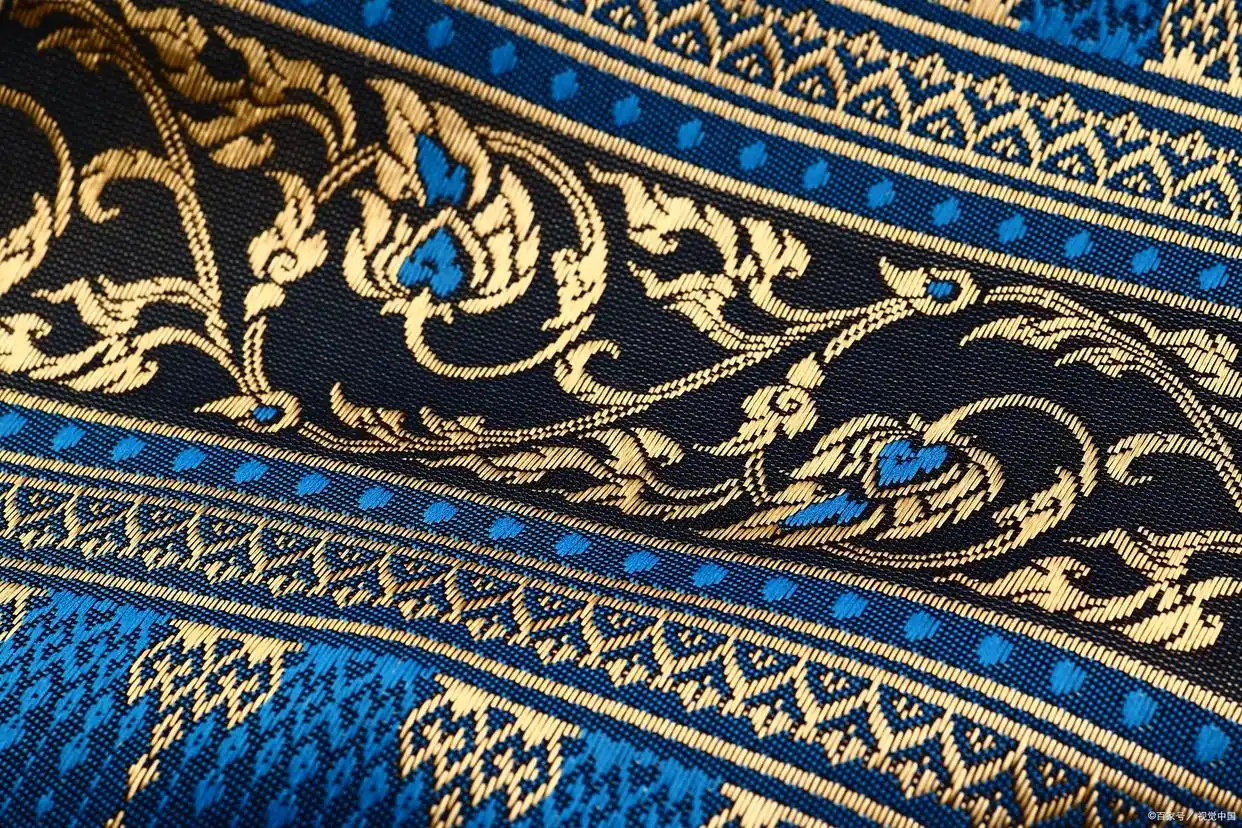
The Zhuang brocade has colorful colors, and the Dai brocade has the national totem. They show the unique aesthetic taste and cultural heritage of the ethnic minority compatriots.
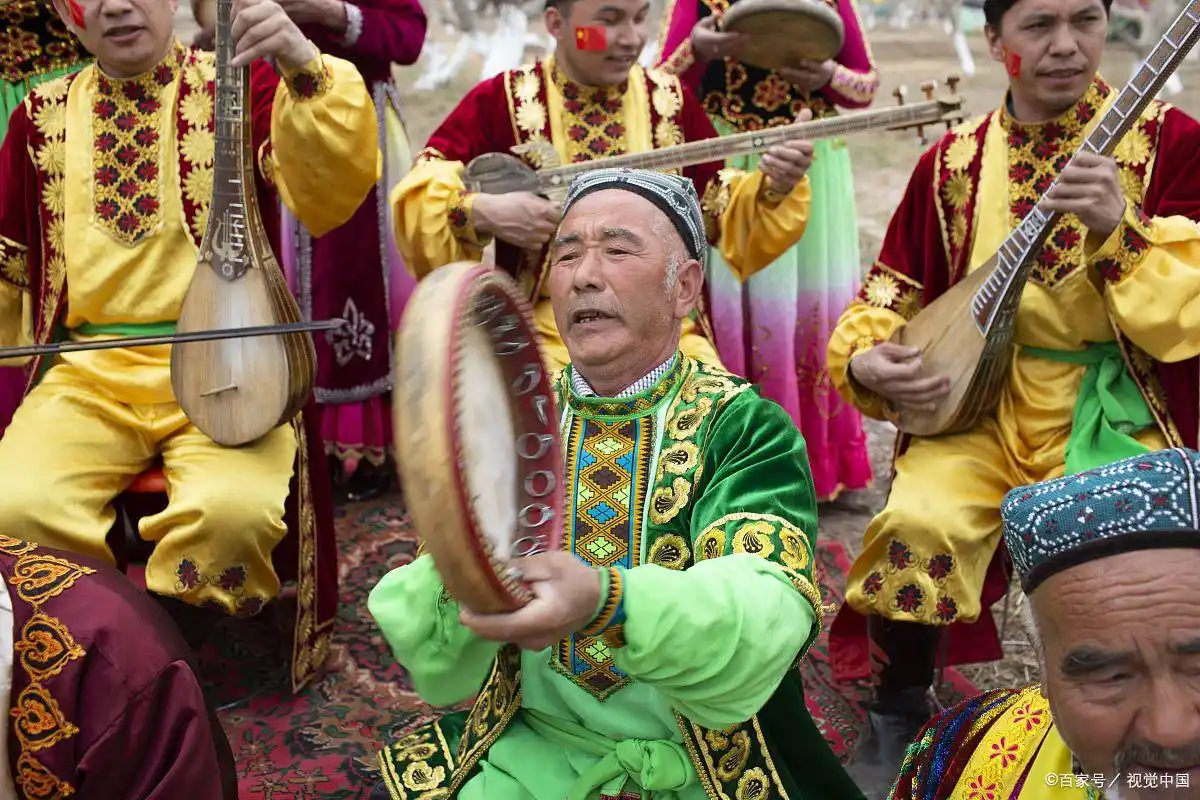
Folk music is the sound map of national emotions.
The high-pitched and melodious melody of Xintianyou in northern Shaanxi sings out the joys and sorrows on the Loess Plateau.
In "Er Fountain Reflects the Moon", the sound of the erhu, which feels like crying and talking, embodies the profound understanding of life that people engaged in folk art have.
The long and broad characteristics of the Mongolian long tune seem to lead the listener to the boundless grassland; the rich and changeable characteristics of the Uyghur muqam show the tolerance and innovation of the oasis civilization.
These musical forms all reflect the Chinese nation’s unique understanding of nature and life.
Folk dance is cultural memory written by body language.
In festival celebrations, the majestic dragon dance and the lion dance, which combines strength and softness, embody the collective joy of the nation.
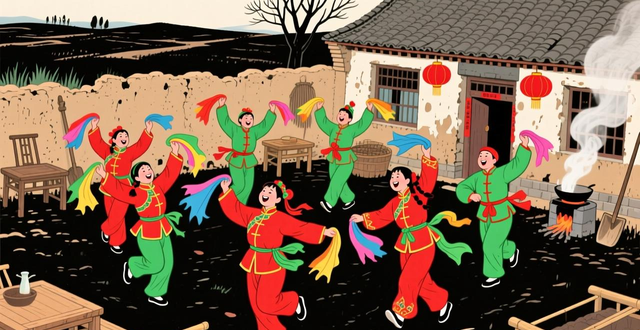
The passion and unrestrainedness of Northeastern Yangko shows the heroic character of the people on the black land.
The bold and uninhibited Tibetan Guozhuang dance and the elegant and lively Korean patriarchal dance are vivid portrayals of the spiritual temperament of various ethnic groups.
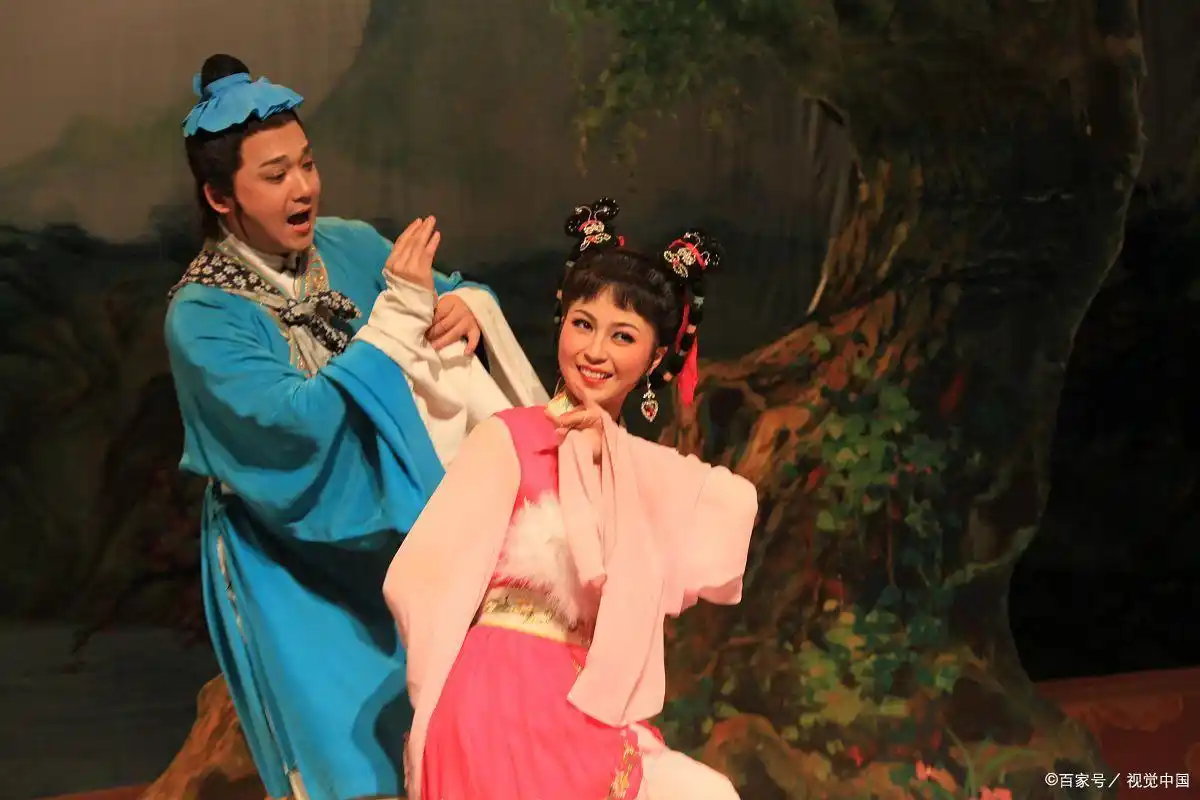
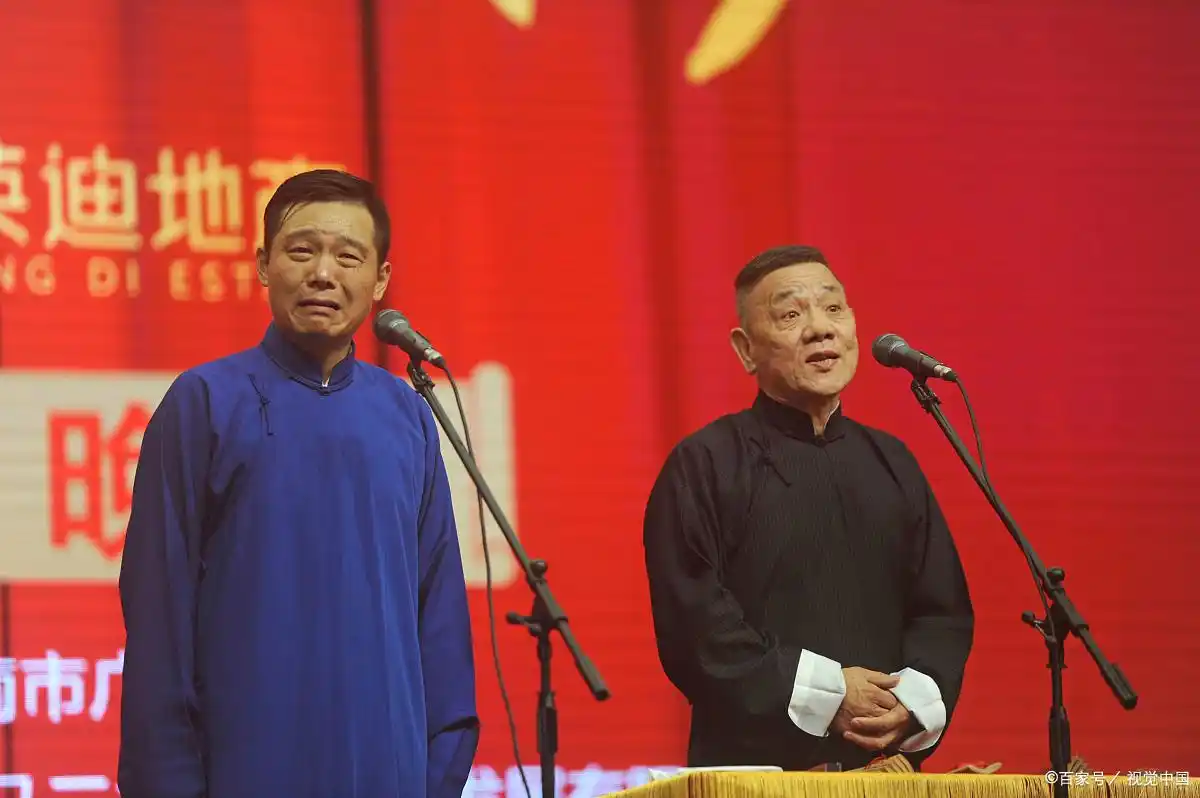
Folk opera and rap art are comprehensive manifestations of Chinese culture.
As the quintessence of China, Peking Opera combines singing, reading, and acting, and has created countless classic artistic images.
The elegance and grace of Kun Opera represents the aesthetic pursuit of literati.
The sprightliness and smoothness of Huangmei Opera has made stories like "The Match of the Immortals" well-known to every household.
Bai nationality's major songs use the form of rap to pass on national history. Heroic epics such as "Janggar" by the Mongolian people and "Manas" by the Kirgiz people can be called bright pearls in the treasure house of world literature.
Folk sculpture, architectural art and acrobatics cannot be ignored either.
The exquisite craftsmanship of wood and stone carvings decorates every corner of the traditional architecture.
Fujian earth buildings have a majestic and exquisite appearance, while Xiangxi stilted buildings can be built according to local conditions. Together, they demonstrate traditional construction wisdom.
There are magic, circus and other acrobatic arts. This is a human behavior to challenge the physical limits, and it is also a vivid practice for human beings to explore the wonderful world.
The contemporary value of these traditional folk arts is not simply that they have survived through the years and become a witness to the existence of culture, but also that the craftsmanship that reflects the attitude of excellence, the aesthetic ideal that shows the pursuit of unique beauty, and the philosophical thinking that contains profound ideological connotations can inspire modern life.
In the wave of industrialization and globalization, protecting and inheriting these intangible cultural heritages is to protect the spiritual home of our nation, so that future generations can use these dynamic cultural forms to touch the warmth of their ancestors and experience the roots of culture.
For the transmission of the cultural genes of the Chinese nation, every continuous skill is indispensable, and the embodiment of ancient wisdom blooming in the new era is every innovative art.
Comments NOTHING