
As one of the traditional Chinese folk treasures, paper-cut art has been passed down for thousands of years. With its unique artistic language and profound cultural connotation, it has become an important part of the spiritual identity of the Chinese nation.
In 2006, paper-cutting was included in the first batch of national intangible cultural heritage lists. In 2009, it was selected into the UNESCO Representative List of Human Intangible Cultural Heritage, which shows that its cultural value has been widely recognized at home and abroad.
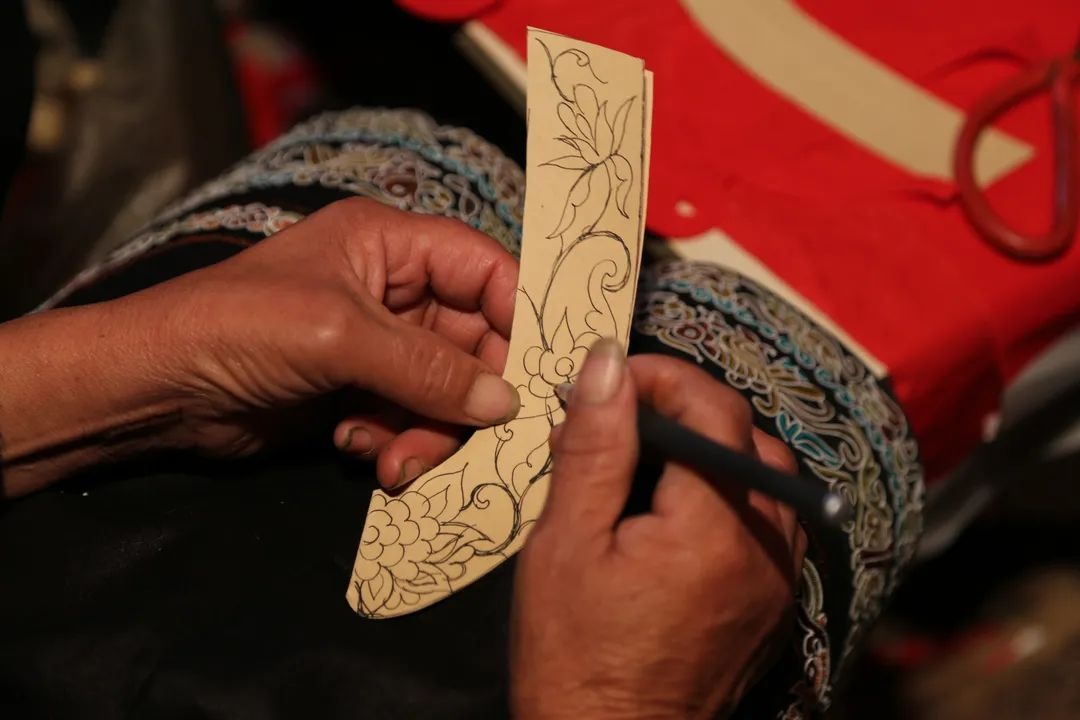
The art of paper-cutting in China has a long history and can be traced back to 1,500 years ago.
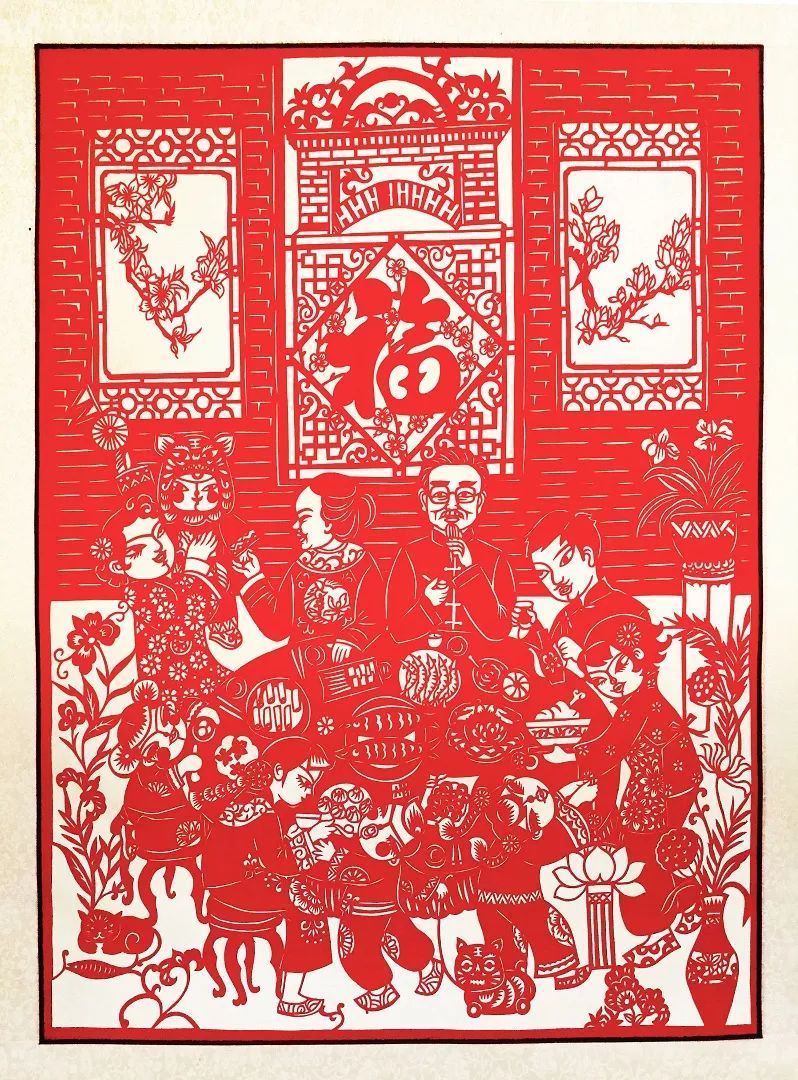
It is produced in a specific living space, formed in a specific cultural environment, and is the result of the hard work and wisdom of working people.
Paper-cutting is not just a decorative art, it carries a lot of information with rich historical and cultural connotations, reflects the people's social cognition, moral concepts, life ideals and aesthetic tastes, etc., and has many social functions such as cognition, education, expression, lyricism, entertainment and communication.
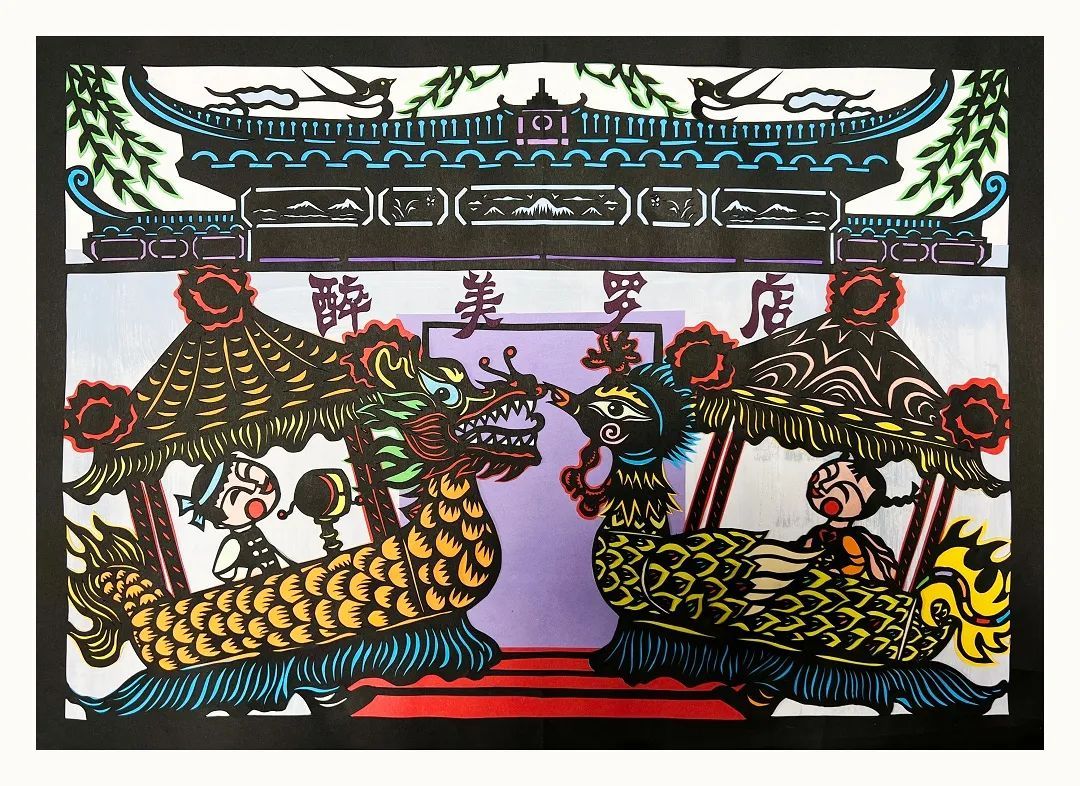
Whether it is the festive flowers seen during festival celebrations or the ceiling flowers seen in daily life, paper-cutting has always been closely related to people's lives and has become an important channel for expressing emotions and conveying blessings.
Examined from the perspective of skill inheritance, the charm of paper-cut art lies in its diverse production techniques and regional style.
Based on the production method, Chinese folk paper-cutting can basically be divided into three major categories: monochrome paper-cutting, colored paper-cutting, and three-dimensional paper-cutting.
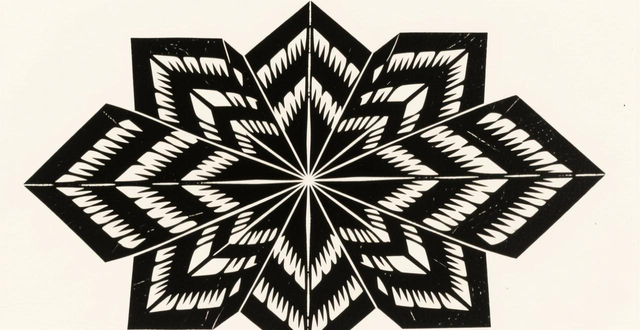
Monochromatic paper-cutting uses folding and engraving as the main techniques. Folded paper-cutting relies on repeated folding of paper to cut out symmetrical and even patterns, with a rhythmic beauty; intaglio and intaglio engraving are the essence of line processing. Intaglio engraving creates a thick and solid block surface effect by carving away contour lines, and the lines are not connected; positive engraving retains the outline and cuts away the blank parts, showing a smooth, delicate and exquisite texture with connected lines.
The punching technique is often used in embroidery patterns. It uses pinholes to connect multiple layers of paper to reveal delicacy in the rough interior.
Colored paper-cutting shows richer artistic expression.
The dot-dyed paper-cutting is based on the negative carving with dot color and leaves a large area of the sunny side, and its effect is similar to that of a woodblock New Year painting; the colored paper-cutting is mainly hollowed out with a large area and lined with colored paper from the back, and the layers are very clear; the color-separated paper-cutting is collaged with the help of a variety of monochrome paper-cuttings, focusing on color harmony; the colored paper-cutting is made by pasting black paper-cutting on white paper and then painting within the lines with a pen, and the strokes are quite fine.
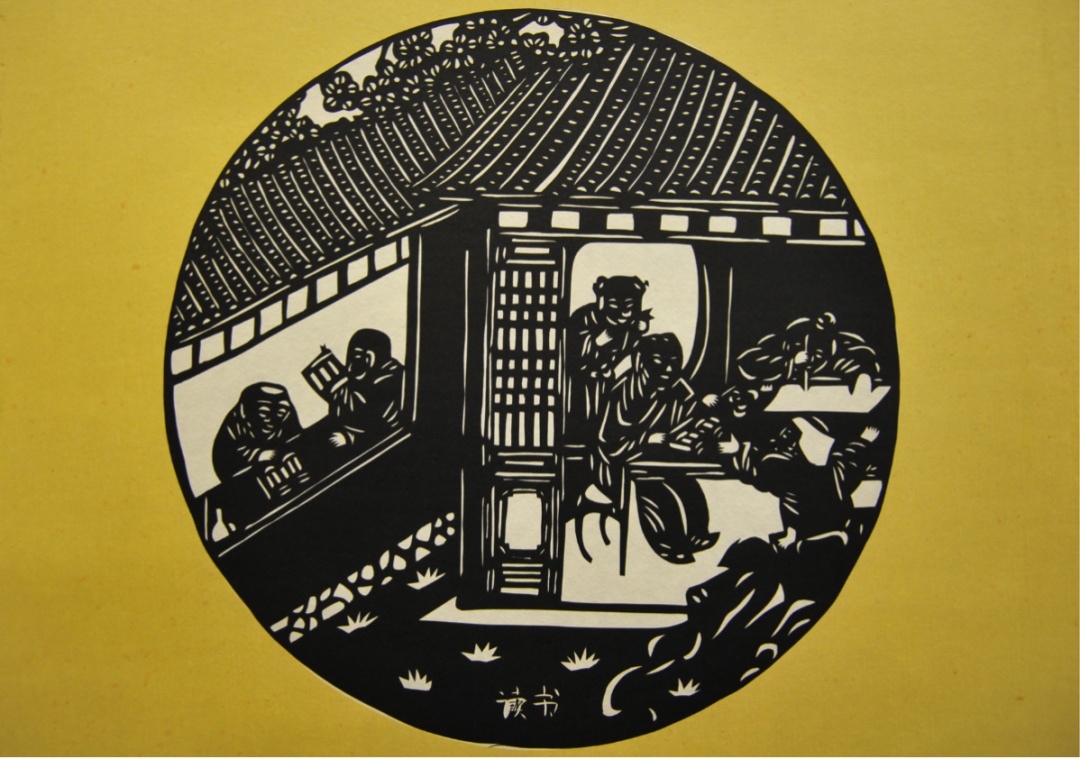
In addition, wood-printed paper-cutting combines printing with cutting and engraving, inkjet paper-cutting uses an airbrush to render, outline paper-cutting combines cutting and engraving with painting, and colored paper-cutting combines paper strips of different colors to show rich geometric and object patterns.
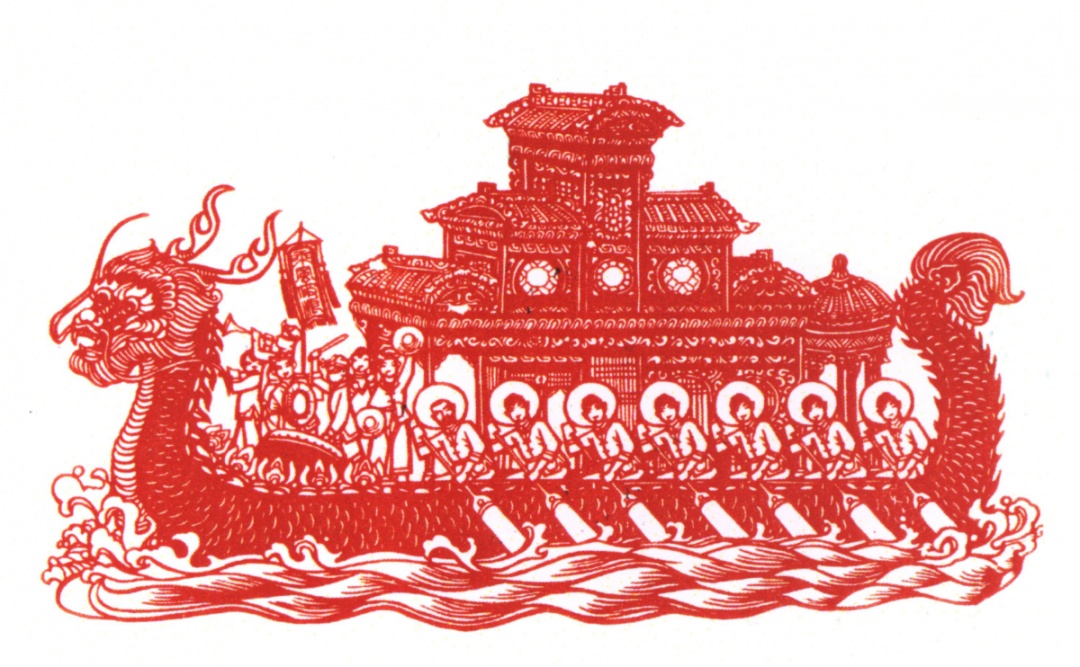
Three-dimensional paper-cutting comprehensively uses painting techniques, cutting and carving techniques, folding techniques, and gluing techniques to transform paper-cutting from a flat surface into a three-dimensional form, and has the artistic effect of sculpture as well as the artistic effect of relief.
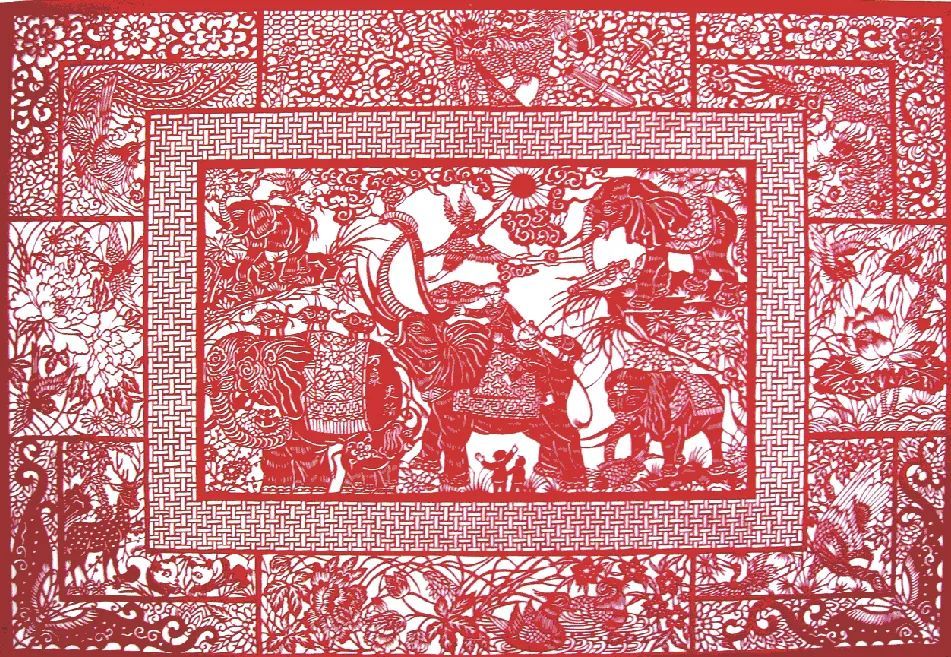
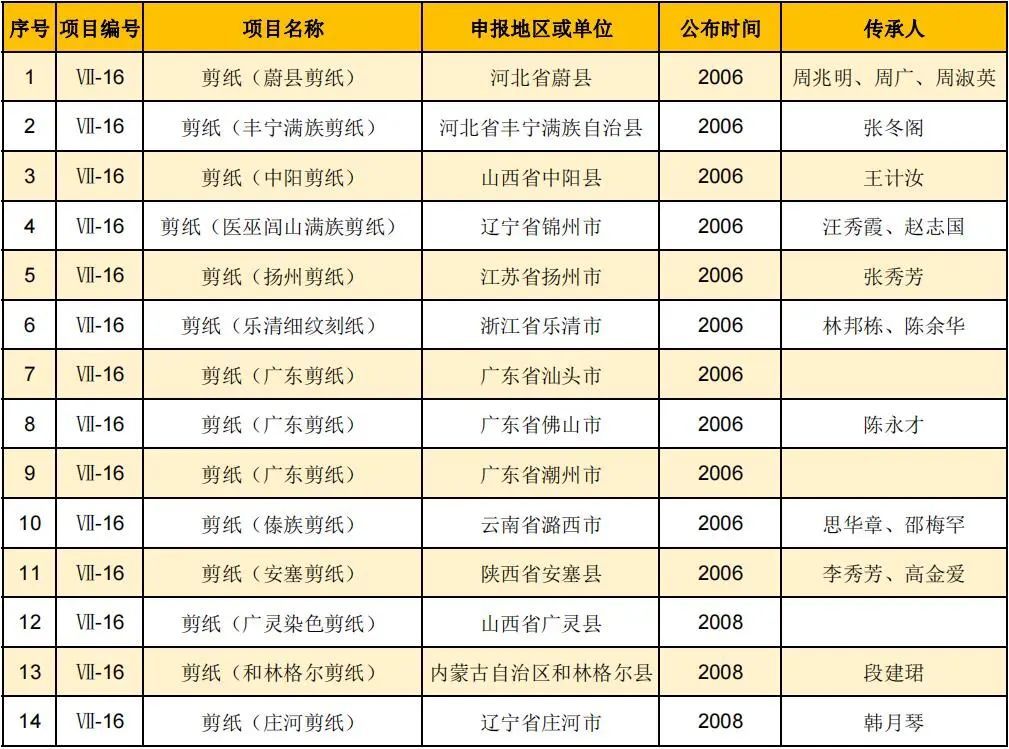
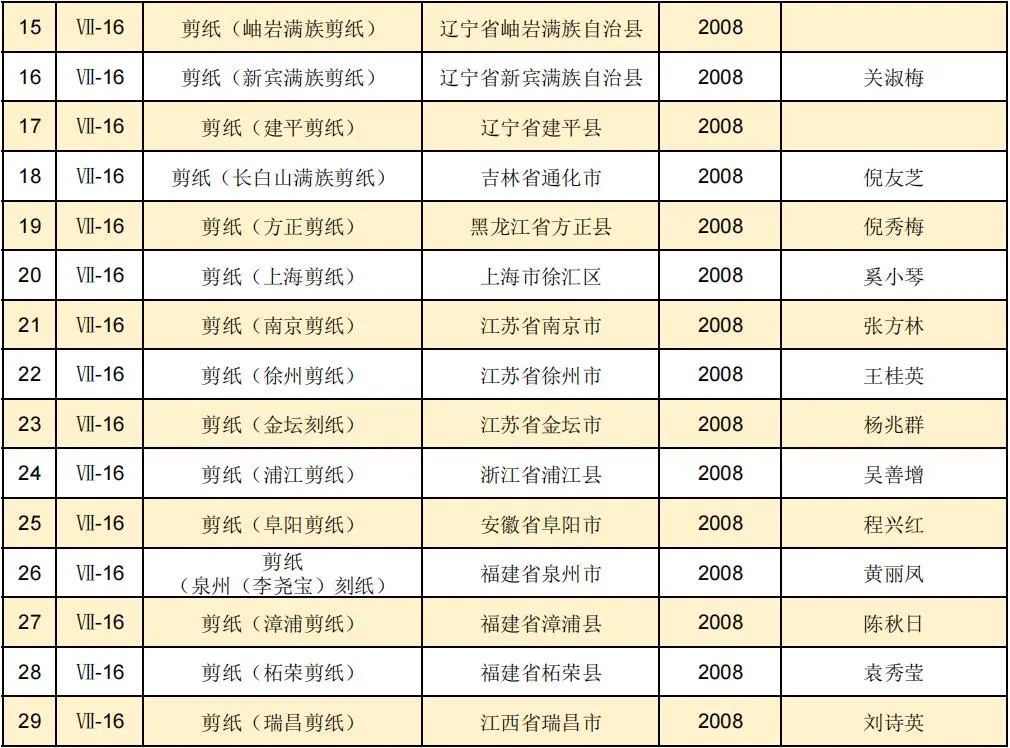
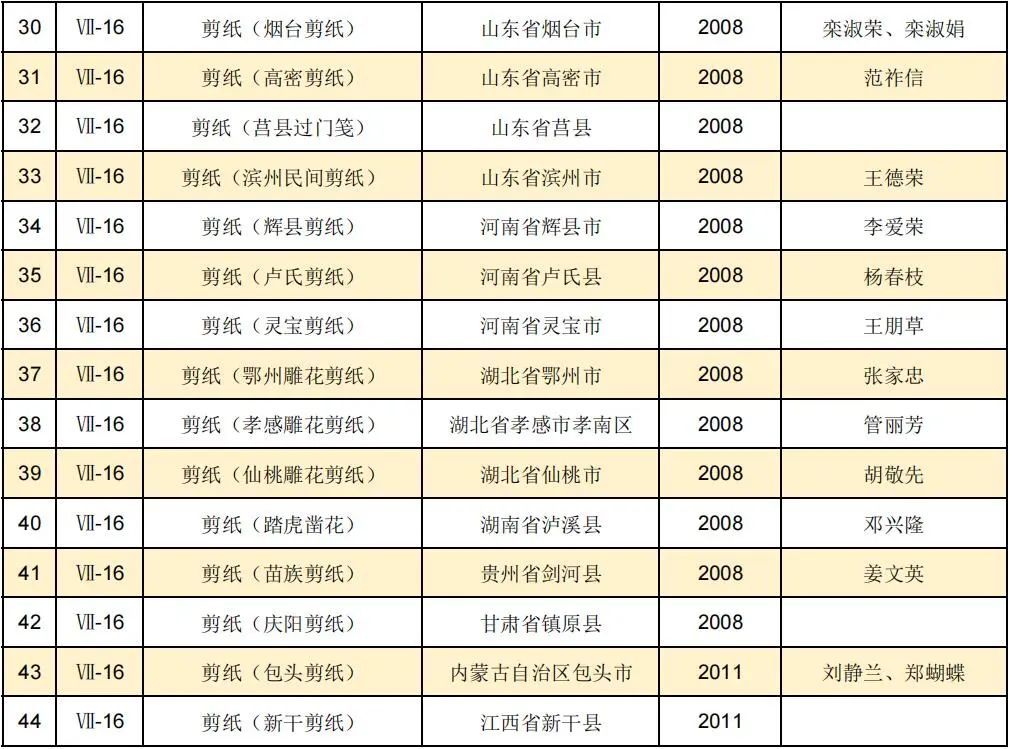
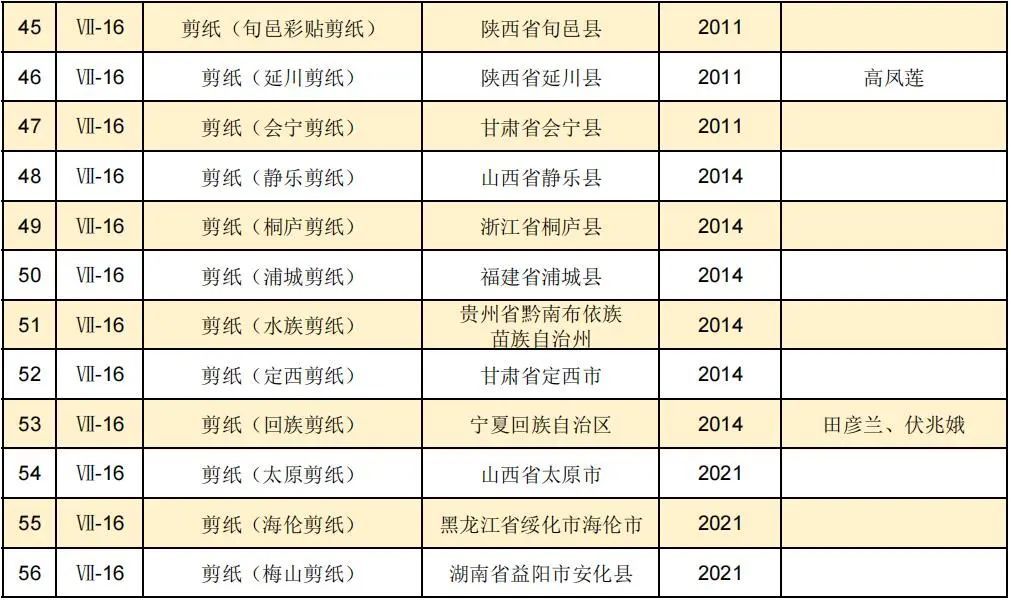
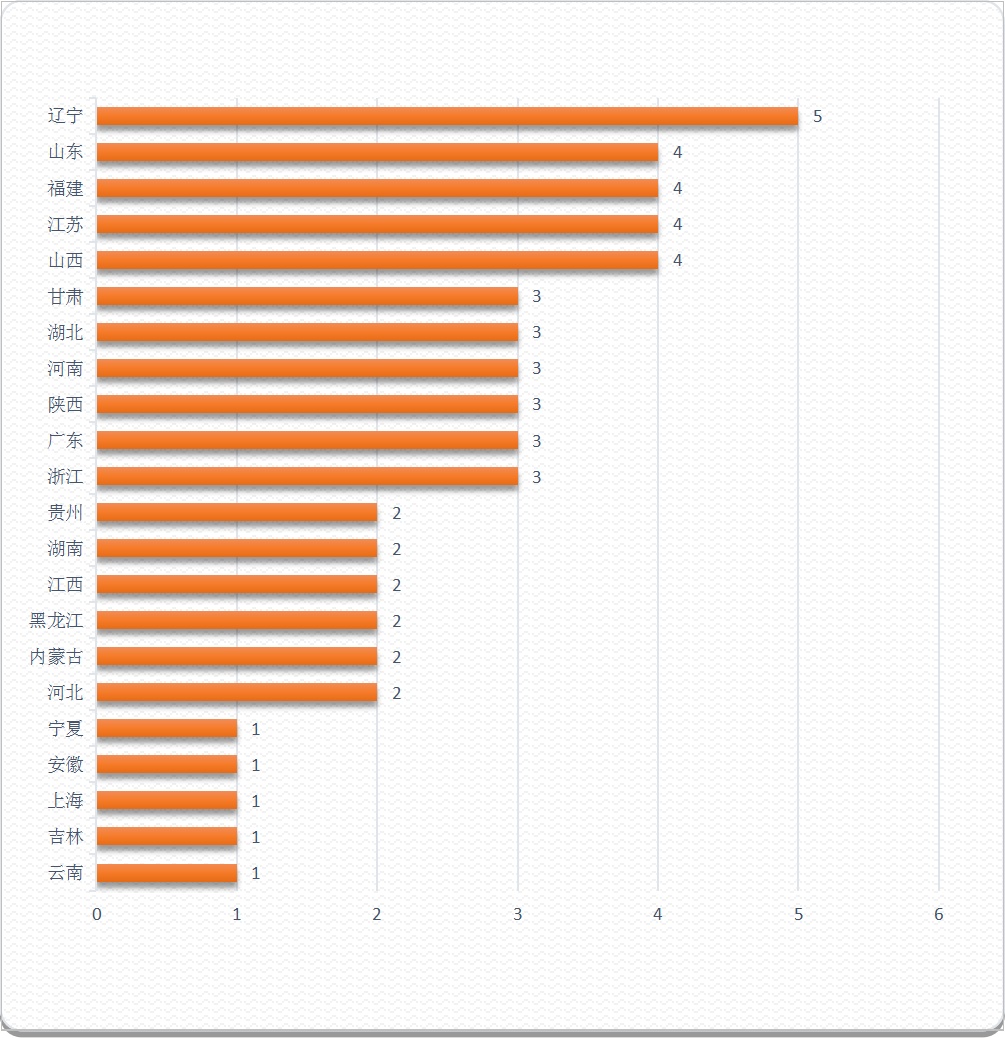
In terms of distribution, 22 provinces (municipalities and autonomous regions) across the country have paper-cutting projects that have been selected into the list of national-level intangible cultural heritage representative projects. Among them, projects in Liaoning, Shandong, Fujian, Jiangsu, Shanxi and other places show a relatively concentrated trend. This just shows the characteristics of paper-cutting art in terms of its wide spread and distribution and its deep roots and development.
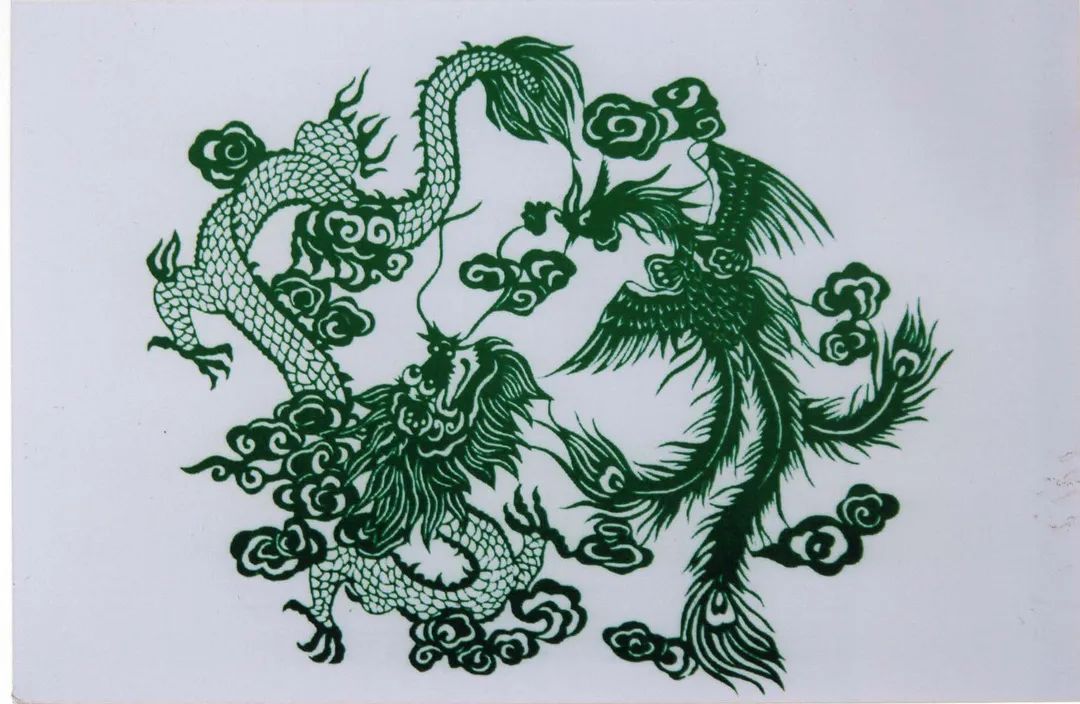
During the long-term development process, paper-cutting in various places has formed distinctive regional characteristics. For example, Yueqing's fine-grained paper-cutting is exquisite, Yuxian's paper-cutting is gorgeously dyed, Xuzhou's paper-cutting is rough and simple, and Guangling's dyed paper-cutting is gorgeous. These together constitute the diverse features of Chinese paper-cutting art.
The inheritance of paper-cutting art is not only the continuation of skills, but also the transmission of cultural genes.
It contains the diligent and simple character of the Chinese nation and records the long and splendid history and culture.
In the contemporary context, the art of paper-cutting is protected and passed on, which requires us to treat traditional crafts with respect, deeply explore its historical value and artistic essence, and then promote its creative transformation and innovative development in modern society, ultimately allowing this ancient intangible cultural heritage to glow with lasting vitality in the new era.
Comments NOTHING