
When it comes to Peruvian food, many people may first think of alpaca meat, or the famous one. Ceviche, but in the Peruvian National Pavilion at the China International Import Expo, a dish of "lobster-flavored seafood" with fried rice gave the Chinese reporters who had been waiting in line for more than 20 minutes a taste of "home". Known as the "Peruvian national dish", behind this delicacy lies a cultural blend that spans a century and a half. story.
Pacific East Coast’s Natural Kitchen
To the west of the Pacific Ocean is Peru. The world-famous Peruvian fishing ground is right at its doorstep. Affected by the strong Humboldt cold current, this area of the sea is particularly rich in plankton, which has given birth to huge fishery resources. The annual catch is astonishing. The way the locals prepare seafood is direct and heroic, retaining the most primitive flavor of the ocean.
Starting from the Andes Mountains and ending in the Amazon rainforest, the diversity of Peru's landforms results in a huge abundance of food ingredients. The meat of alpacas raised in the mountains is tight and firm, and the various tropical fruits in the rainforest exude a unique aroma. These geographical conditions mentioned above have made Peru a veritable treasure trove of food ingredients.
Chinese hotpot gas in Peruvian national dish
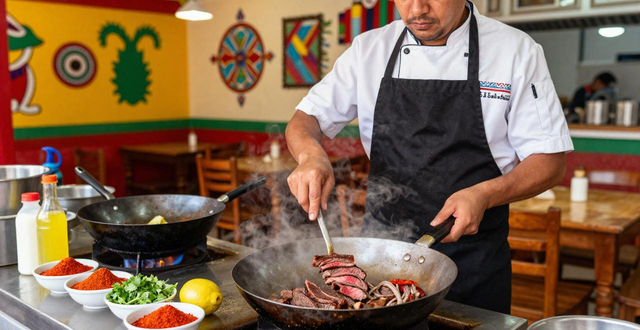
Chef Yue Kai, who was preparing the food on site, revealed that many people feel that Peruvian food is similar to Chinese food, and this is by no means an illusion. In Lima, the capital of Peru, there is an Andean grilled beef tenderloin called Lomo Saltado. From the cutting method of the beef to the quick-frying technique in the iron pot, it is very similar to our "black pepper beef tenderloin".
This dish requires marinating beef in soy sauce, adding onions and tomatoes, stir-frying over high heat, and finally serving it with rice. Even the way it is plated has the shadow of Chinese food. Peruvians regard it as a national dish, but they don’t know that this familiar taste comes from Chinese chefs who have taught it for hundreds of years.
The cross-ocean luggage of 100,000 workers
The story begins in 1849. After the abolition of slavery in Peru, there was an extreme shortage of labor. About 100,000 Chinese workers came across the Pacific on ships. Most of these workers come from Guangdong and Fujian. After suffering through the contract period on plantations, they relied on their cooking skills to open Chinese restaurants in foreign countries.
These early immigrants carried very simple luggage, but they contained woks, shovels and soy sauce. They discovered that Peru was rich in local ingredients, so they began to try to use Chinese food techniques for cooking. Add some ginger and green onion to the potato stewed beef, and sprinkle a handful of chopped green onion into the seafood soup. Gradually, the Chinese flavor begins to take root in this land.
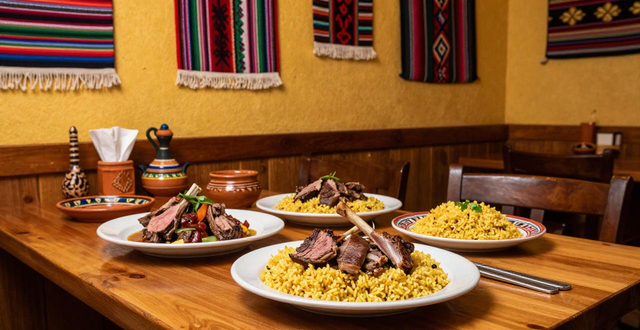
Chifa Everyone in Peru knows how to eat
Nowadays in Peru, if you walk into a local restaurant, there will definitely be Chifa on the menu. This word is pronounced as the sound of "eating" in Cantonese accent, and is specifically used to refer to Peruvian Chinese food. Even ordinary people in Peru know that if you want to taste some delicious food, go and eat Chifa.
Chaofa is a dish that is very common in the streets of Peru. This is what we call fried rice. The rice preparation has obvious traces of Cantonese fried rice, and the choice of side dishes also retains this trace. Even the soy sauce used in fried rice was prepared according to Peruvian tastes by a soy sauce factory founded by the Chinese back then.
Cultural code on the tip of the tongue
After Chinese food entered Peru, it did not always remain the same. The chefs made adjustments based on the taste preferences of the locals, reducing the amount of sugar used and adding the excitement of the sour and spicy flavors. Such improvements have allowed Chinese food to enter every household in Peru, and then become a part of local people's lives.
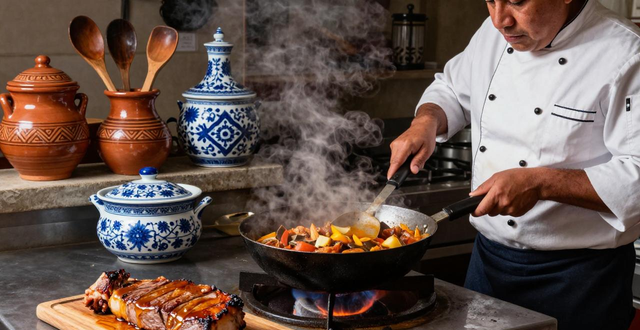
On the contrary, Peruvian traditional dishes also secretly absorb the essence of Chinese food. For example, when stewing vegetables, first use high fire to stir-fry them, and when grilling meat, apply a layer of honey water. These cooking techniques have now become the specialty skills of Peruvian chefs. The two food cultures are like two old friends who have known each other for a long time, slowly approaching and blending together over a hundred years.
The familiar smell coming from the CIIE
In November 2018, at the CIIE, reporters had to wait for more than 20 minutes for this lobster-flavored paella. After tasting it, the reporter found that the sweet and sour sauce had the refreshing feeling of tomatoes, the fresh and sweet taste of seafood, and the faint aroma of soy sauce. And this familiar taste is a testimony to the century-old integration of Chinese and Peruvian food cultures.
Starting from the coast of Guangdong and heading to Lima, Peru, from the beginning it only appeared on the workers' dining table to now on the booth of the China International Import Expo, the taste of China has gone through a full 160 years. There are so many Chinese restaurants in Peru right now that it’s hard to count them all, and locals are already accustomed to using chopsticks to eat fried rice. Today, when you taste this Peruvian national dish, can you also taste the Chinese flavor that comes across the Pacific? Which foreign food with Chinese flavor is your favorite? Feel free to share your findings in the comments section.
Comments NOTHING