
The taste of mountain city starts from a pot of boiling butter.
This food called Chongqing hot pot is no longer just a dish, but a cultural symbol deeply integrated into the texture of the city.
Dating back to the era of riverside boat trackers, at that time, in order to drive away the moisture and dispel the cold, they would put the cheap cattle into the water and vegetables into the soup pot with hot peppers and Sichuan peppercorns, and scald them.
Such an extensive way of eating has unexpectedly resulted in the most original dehumidifying delicacy.
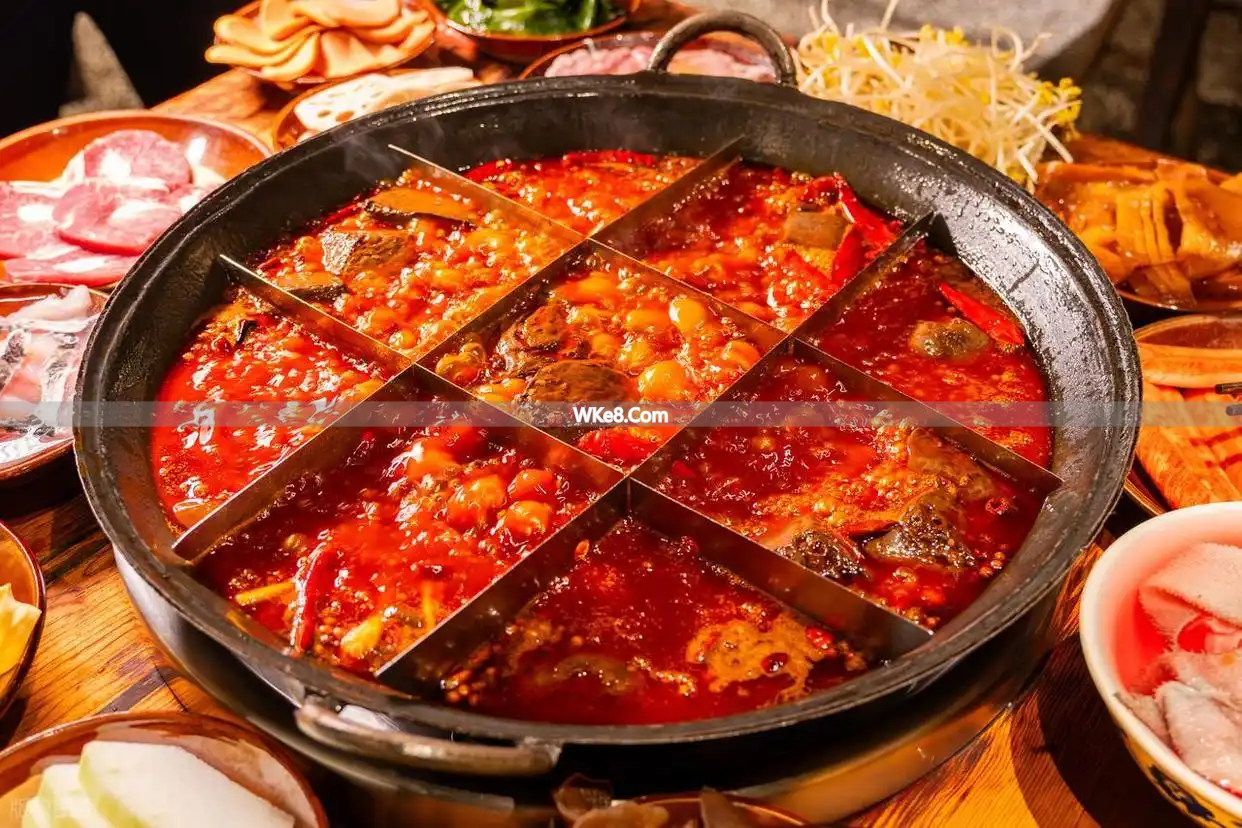
The authentic Chongqing hot pot must be made with butter as its soul. The thick fat wraps up the soy sauce aroma of Pixian Douban, the mellowness of Yongchuan fermented beans, and the spicy flavor of Hanyuan peppercorns. It is cooked at high temperatures to create a breathtaking red color.
Pick up the tripe with chopsticks and dip it into the boiling soup. The food is crispy, tender and fragrant. This is the most straightforward way of hospitality in Shancheng. It is also the most dazzling gourmet business card in the hearts of diners from all over the world.
When it comes to the boldness of Jianghu cuisine, it must be Mao Xuewang .
This delicacy originated from the dining table of Ciqikou dock workers. The word "Mao" in its name means "rough and bold" in Chongqing dialect.
It uses tender fresh duck blood as the protagonist, paired with extremely crispy and open tripe, meaty and chewy squid, and salty lunch meat. Finally, in the very hot and spicy red soup, it combines into a bowl of hot and spicy food.
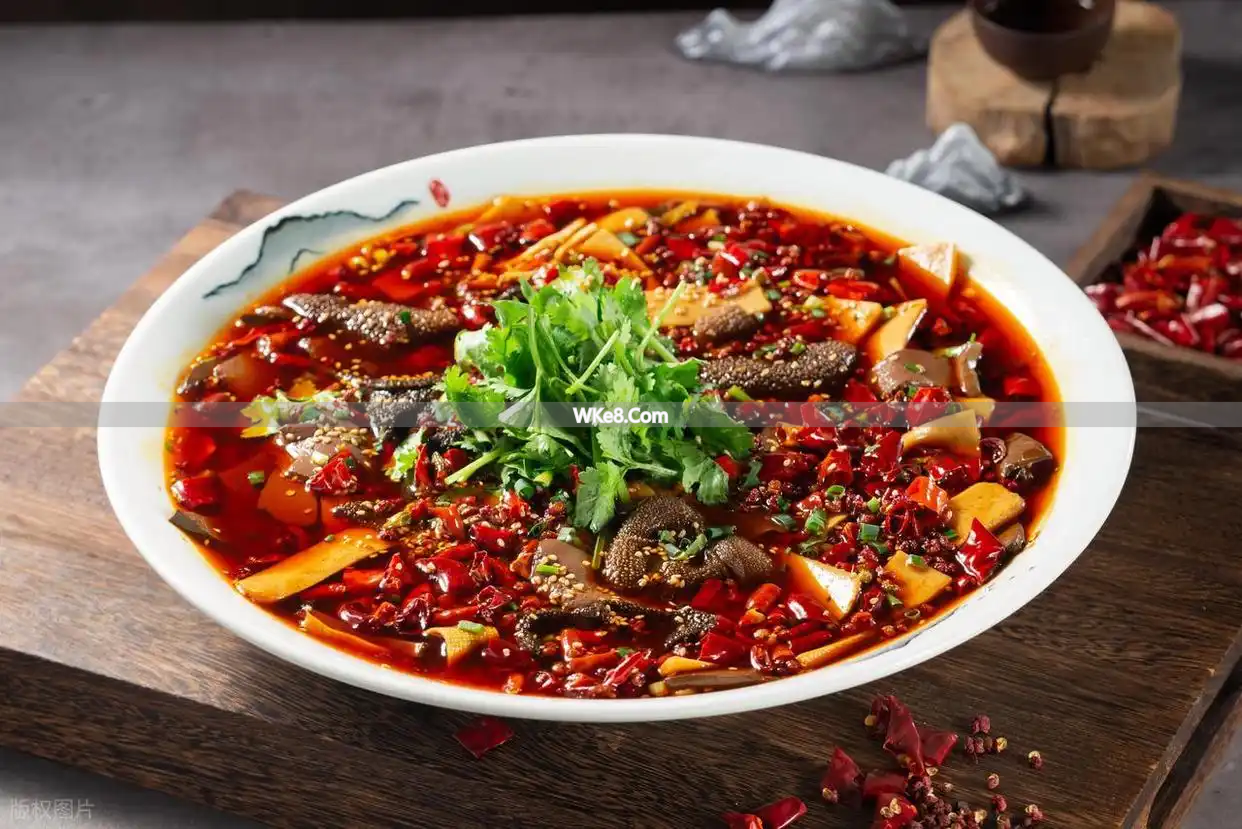
The soup is red and bright, the duck blood is so tender that it melts in your mouth, and the tripe makes a crisp sound between the teeth.
In Ciqikou, old residents will say this: "If you arrive in Ciqikou without eating Maoxuewang, you have not been to Ciqikou." The charm of this dish lies in the market wisdom of cooking ordinary ingredients into many different flavors.
When it comes to visual impact, Spicy Chicken takes the cake.
The unique dining experience of "looking for chicken in peppers" created by it has long become a scene in Chongqing.
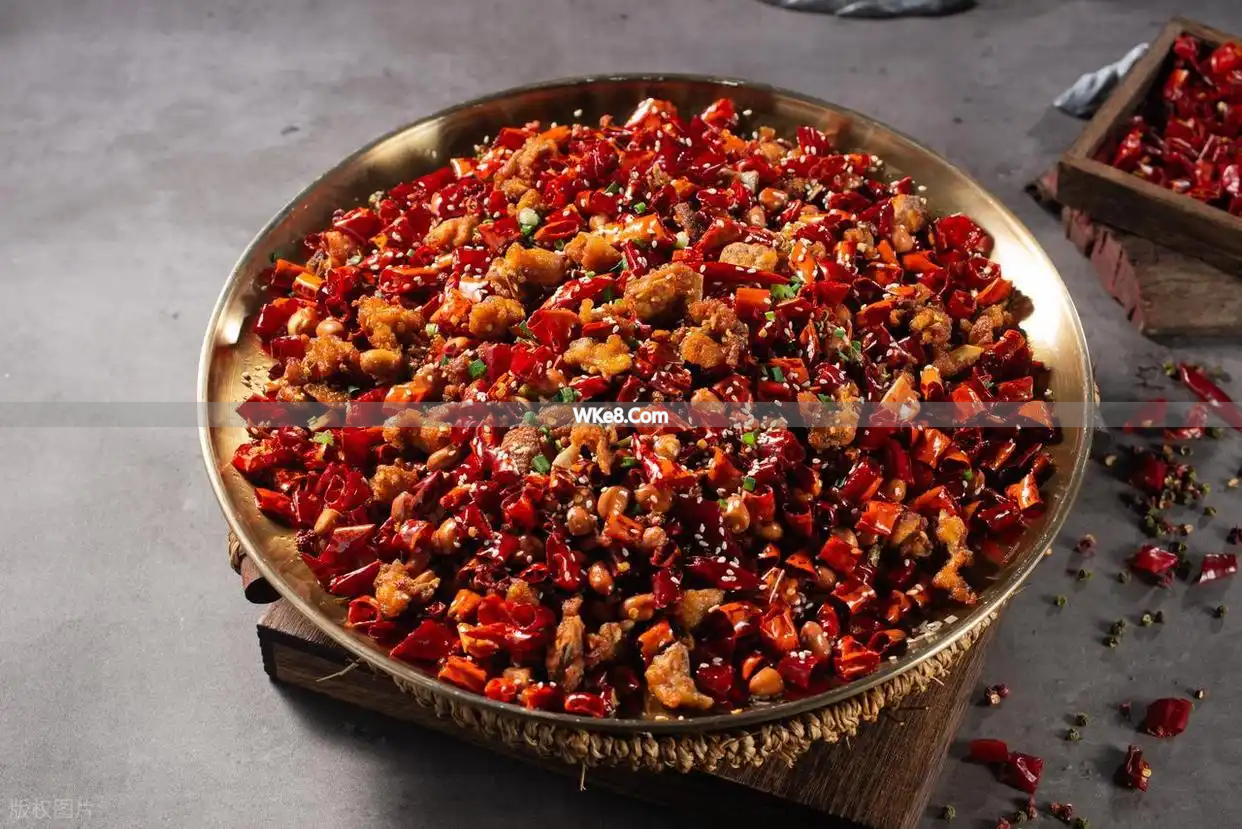
This dish takes the use of chili peppers to the extreme, especially the authentic version from Gele Mountain .
Choose high-quality local chicken, cut it into pieces, and fry the cut chicken pieces until they are crispy on the outside and tender on the inside. Then put these fried chicken pieces into a large number of dried chili peppers and Sichuan peppercorns, and stir-fry quickly and vigorously.
When it comes out of the pan, the plate is red, the chicken is fragrant and chewy, and the chili is as crispy as a snack.
Diners jokingly say, "The chili on this plate sometimes tastes more delicious than chicken!" The large number of chili peppers, the massive amount of Sichuan peppercorns, and the joyful cooking process brought about by the rapid stir-frying over high heat just show the passionate and unrestrained character of the people in the mountain city.
The boiled fish originating from the Yubei region has become popular all over the country even though it has only a history of more than 30 years.
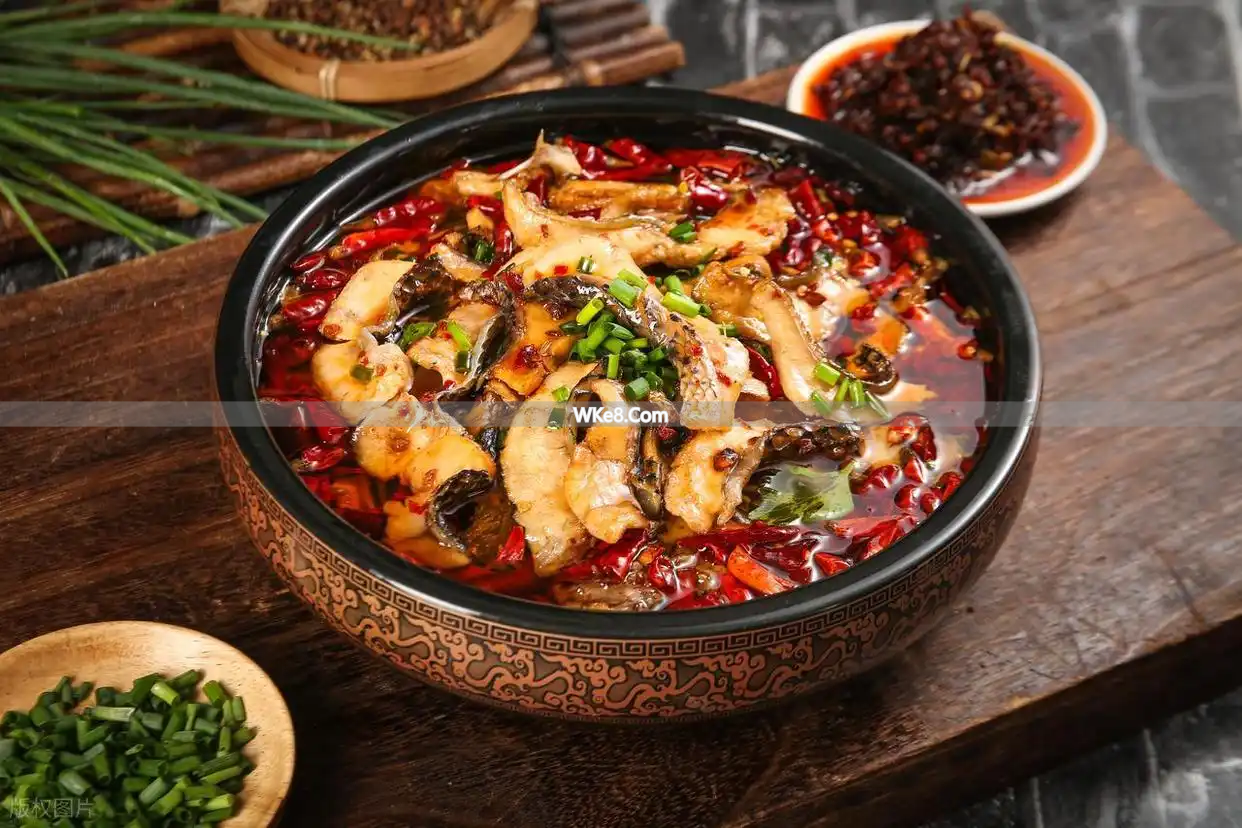
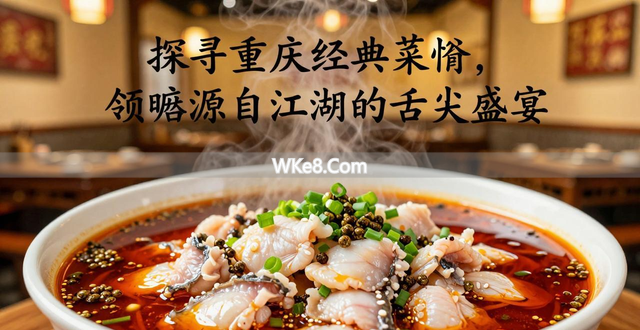
It exquisitely combines the tenderness of the fish fillet with the strong spicy taste, thereby creating an unforgettable taste memory.
The exquisite core of this dish lies in the last production process, which is to quickly pour extremely hot chili oil on the cooked fish fillets, followed by a crisp and loud "squeak" sound. This moment stimulates the complex aroma of chili pepper and fish meat.
Unlike other places that are boiled in clear soup, Chongqing's boiled fish uses a large amount of chili peppers and Sichuan peppercorns to "cook" it in hot oil, thus presenting an extremely tender and rich texture.
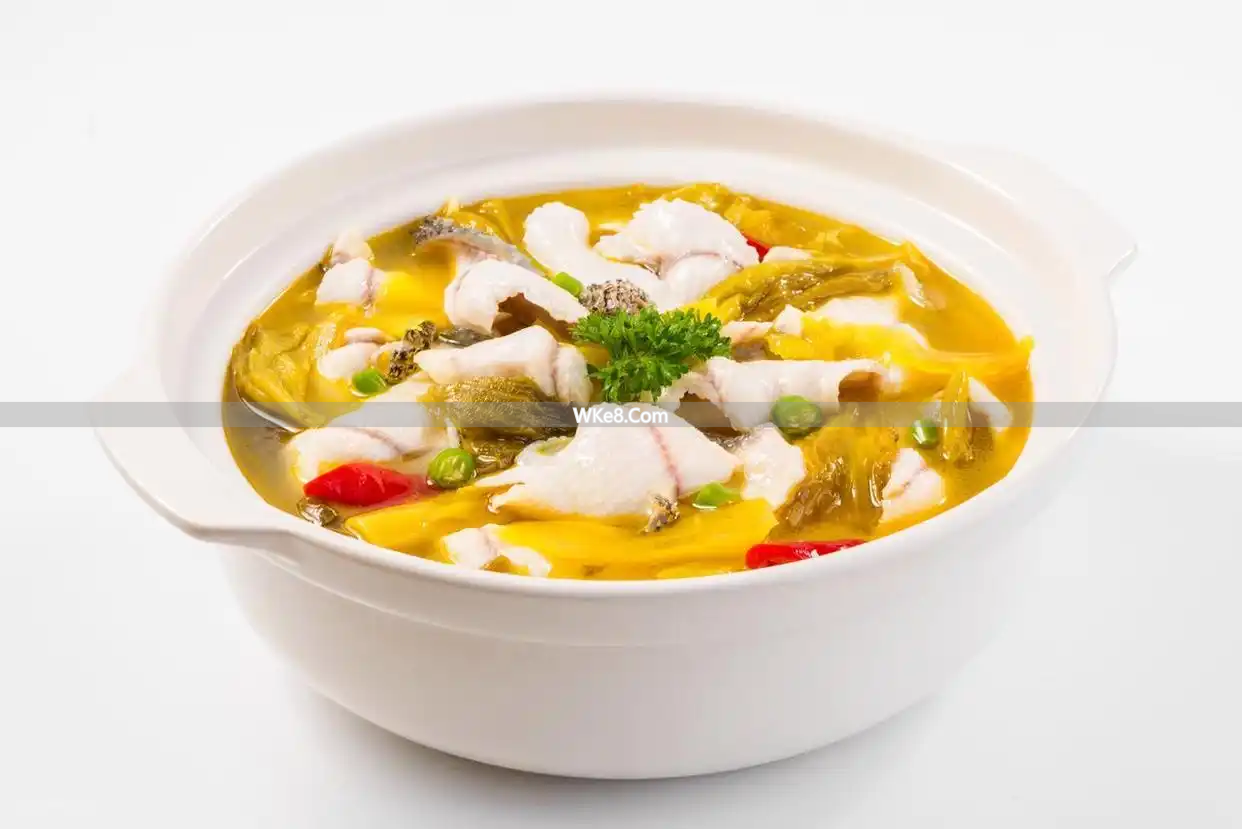
It uses sauerkraut brewed in Lao Tan, which has a mellow sour taste and is naturally transparent. When the sauerkraut meets the milky white broth made from fresh fish bones, the sourness is fresh, the taste is mellow and appetizing.
This dish is particularly suitable for the hot and humid summer in Chongqing. When a spoonful of sour soup enters the mouth, the heat dissipates instantly. It reflects the wisdom of Chongqing people in formulating dietary patterns based on different regional conditions. It is also a common taste that conveys warmth on the family table.
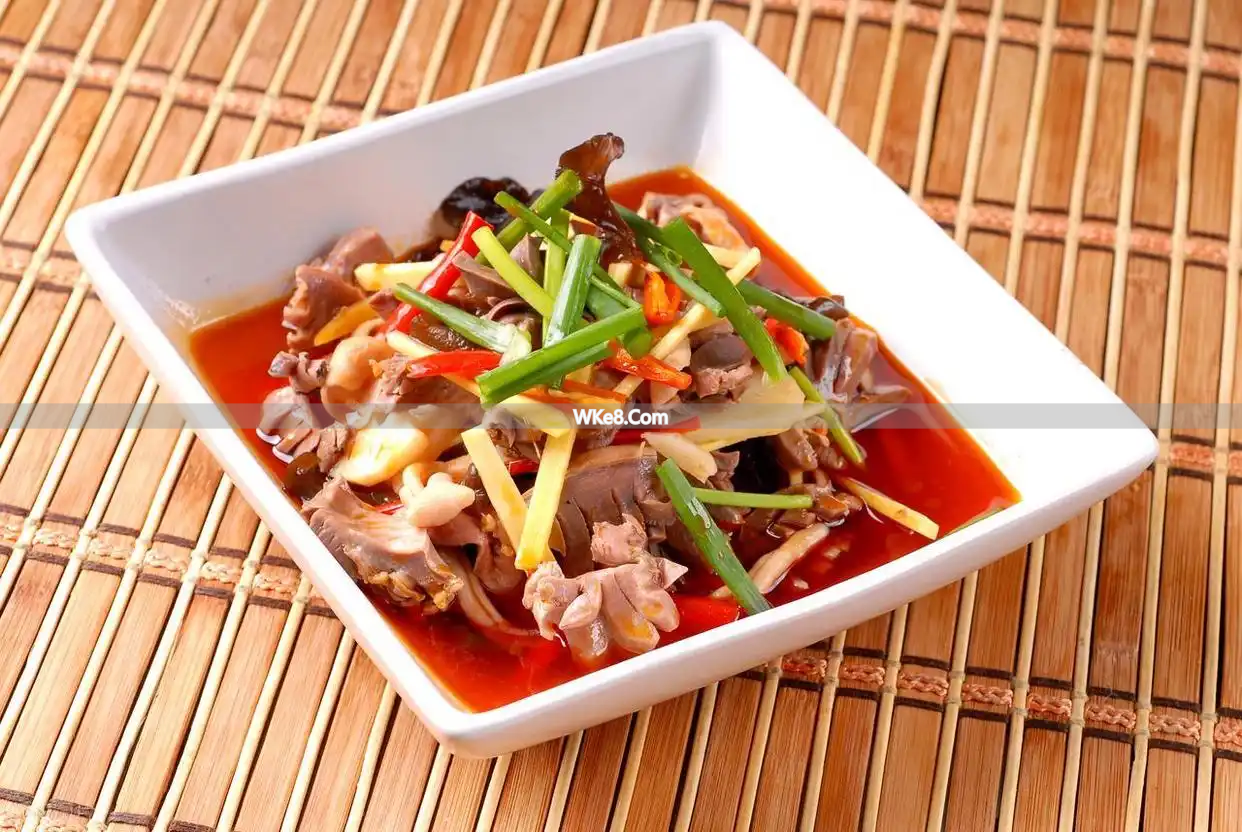
Qianjiang chicken offal is an excellent embodiment of Chongqing people’s food philosophy of “making the best use of everything”.
It stir-fries internal organs such as chicken gizzards, chicken hearts, and chicken livers with just the right heat, along with pickled peppers and pickled ginger, to turn it into a delicacy that goes well with rice. This delicacy is crisp, tender, fragrant, spicy, and fragrant.
Some parts of this dish might have been discarded, but it has been transformed from rough ingredients and superb cooking techniques into a popular item on the table, showing the utmost respect for the ingredients and the sophistication of Chongqing cuisine.
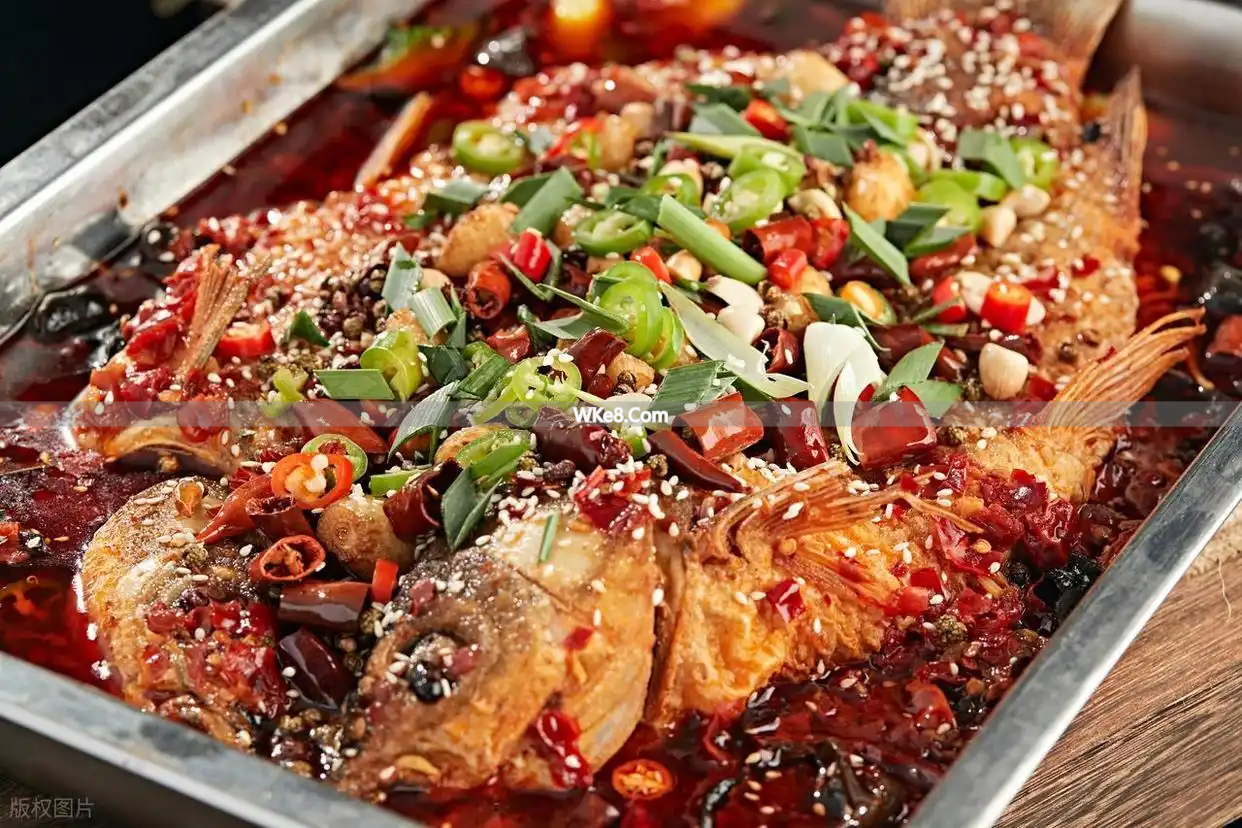
The Wanzhou grilled fish , which combines the two techniques of grilling and stewing, is a symphony of taste.
It originated from Wanzhou fishermen. The fish is first grilled until the skin is charred and the meat is fresh and tender, and then it is slowly stewed in a spicy soup filled with side dishes.
When it was first served, the charcoal fire continued to heat, the soup made a gurgling sound, the fish skin was crispy, the fish meat was tender and smooth, and the side dishes such as potatoes and lotus root slices were delicious. With the spicy food playing a leading role, it showed a progressive trend, making the whole flavor unique and unusual.
We can’t forget the phoenix fish, which is known as the “originator” of Chongqing’s Jianghu cuisine.
It originated from Laifeng Town, Bishan , and was created by a generation of famous chefs. Its history is much longer than spicy chicken.
The subtlety of this dish lies in the expert use of chili peppers and Sichuan peppercorns, thereby creating a perfect balance of "numbing, spicy, fresh and fragrant".
Using grass carp that is full of vitality and cooking it with unique secret seasonings, the dishes made have a bright red color, the fish meat becomes tender and the taste penetrates into it, and the taste is rich and full of different levels of flavor.
It laid the foundation for the flavor type of Chongqing’s Jianghu cuisine, which will be as colorful as a hundred flowers blooming in the future. To taste it is to experience a real and vivid history of Chongqing’s food culture.
These eight delicacies are just a microcosm of Chongqing’s culinary landscape.
Whether it's the bowl of chewy noodles on the street, or the steaming bowl of tofu pudding in the early morning, each bite contains the history and present of the mountain city, making the city's most authentic fireworks boil.
Comments NOTHING