
The delicious taste of Ludi has been passed down for thousands of years: Jiaodong style of dried shrimps mixed with vermicelli

In the Jiaodong area of Shandong Province, seafood and land ingredients blend together, which forms a unique scene in Shandong cuisine. The local people have lived by the sea for many generations, and they are almost strict about the handling of seafood. They also have different and clever ideas for ordinary ingredients such as vermicelli. France. What we are talking about now is the vermicelli mixed with dried sea rice. It is a hidden and hard dish that Jiaodong people use when entertaining guests. It looks quite simple, but in fact there are many secrets hidden inside. It is not only the taste memory of fishermen’s life, but also the most complete embodiment of the “salty and fresh” background of Shandong cuisine.
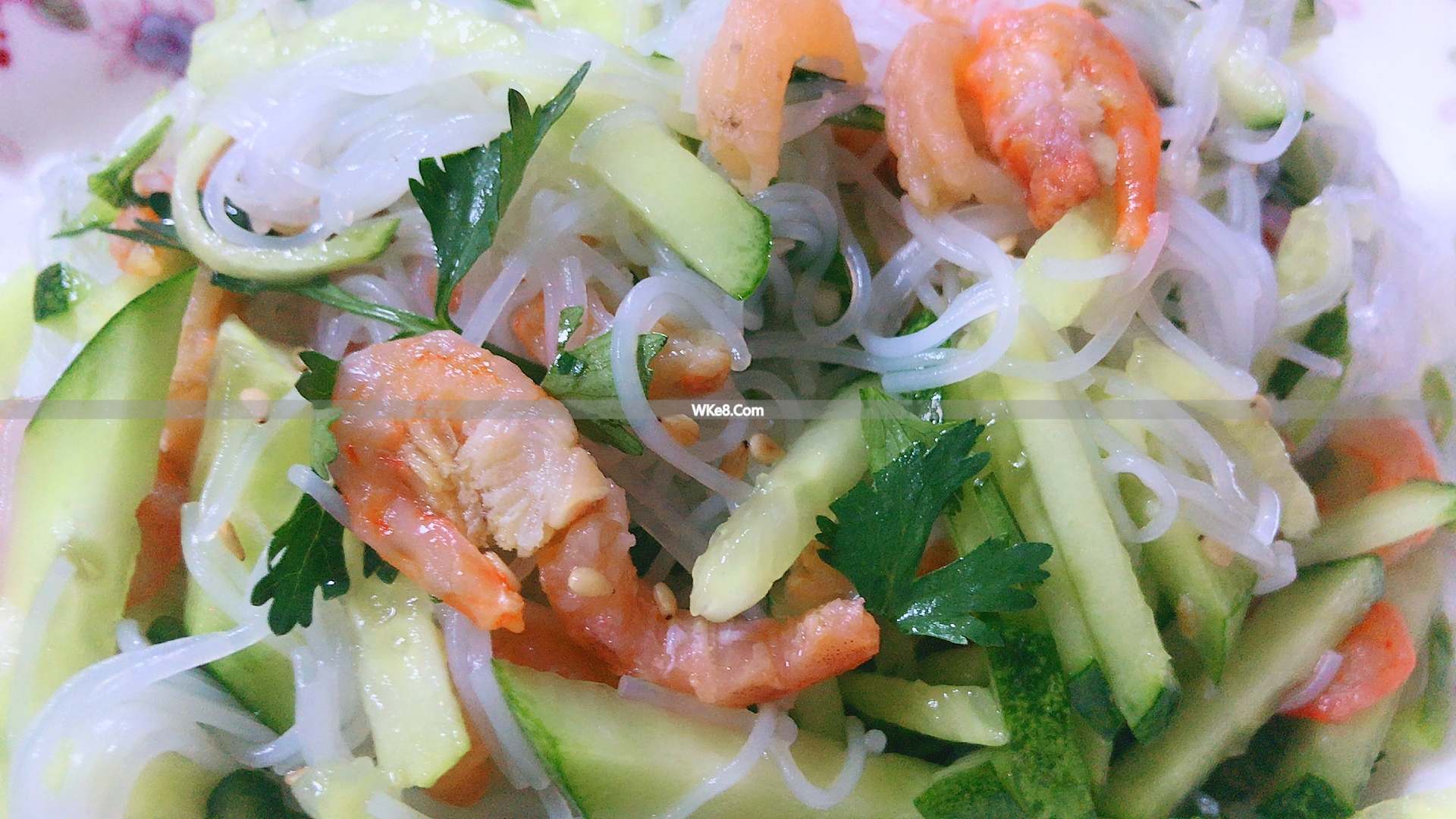
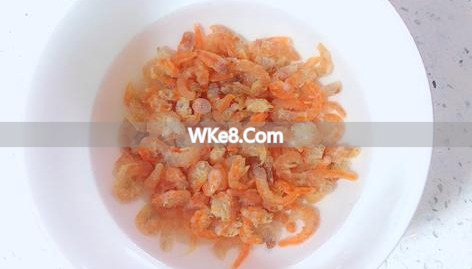
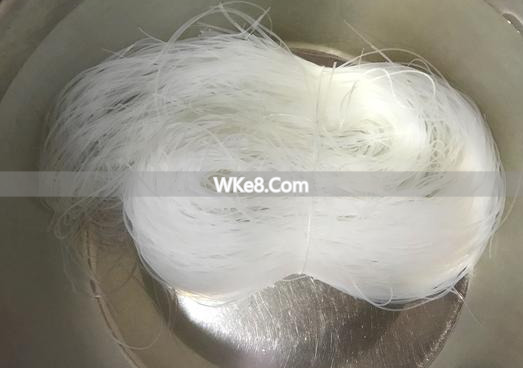
To make this cold dish with Jiaodong characteristics authentic, the selection of materials is the first key barrier. The local people in Yantai who know how to cook this dish must use "shrimp, dried shrimps and dried rice" as the most recognized ingredient when making this dish. Every year in the ninth month of the lunar calendar, the eagle claw shrimps and prawns in Bohai Bay are at the peak of their meaty period. Fishermen will catch the shrimps from the sea and bring them to the shore, cook them on the spot, dry them in the sun, and then peel off the shrimp shells. Finally, the shrimps are golden in color, clean and shellless, and have a rich and mellow flavor. At the local market in Yantai at this time, people of the older generation would always carry cloth bags, specifically looking for the fresh dried dried shrimps that still have the unique taste of the sun. As for fans, they are absolutely inseparable from Longkou fans with hundreds of years of history. Although this vermicelli is named "Longkou", it actually comes from Zhaoyuan. Its raw materials are mung beans or peas. The vermicelli made through traditional techniques is thin and even, white and translucent. It can withstand cooking without being rotten. It can still maintain a smooth and chewy texture after being soaked for a long time. The encounter of these two landmark ingredients established the authentic background of this dish from the very beginning.
What makes this dish really shine is the seemingly simple craftsmanship that actually hides sophistication and subtlety. The pinnacle of cuisine lies in the ancient recipe of Fushan, Yantai (the birthplace of Shandong cuisine), which is "bringing the flavor to the soup." First of all, high-quality shrimps and dried shrimps need to be washed gently in water with a moderate temperature, and then soaked in water with a moderate temperature. The process should be slow, wait, and don't rush. Experienced chefs understand that the water used to soak the dried shrimps is the key to the entire dish. At this time, the handling of Longkou fans was also very rigorous and meticulous. The locals will never use boiling water directly to cook the vermicelli until it becomes soft and rotten. Instead, they will first soak the vermicelli in warm water below 40 degrees to make it soft again, and then quickly "stir" it with boiling hot water, and then immediately take it out and put it into the cold boiled water. By processing it like this, the vermicelli can not only remove the astringent smell, but also retain a certain degree of toughness. The mouthfeel is smooth and elastic when you eat it, not the soft and waxy texture that breaks when you pinch it.
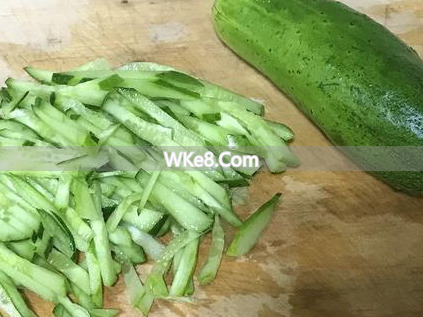
When all the ingredients are prepared in a proper state, the most critical step of "taste combining" begins. The vermicelli is squeezed dry and placed on the bottom. It is paired with extremely fine shreds cut from local cucumbers, and then sprinkled with crushed red garlic and coriander segments. At this time, pour the soaked dried shrimps that are plump and round, together with the bowl of amber-colored dried shrimp water that is full of essence, on top of the vermicelli. The sea rice water is instantly absorbed by the dry vermicelli, and the umami flavor penetrates into it bit by bit. When seasoning, strictly adhere to the principle of "original flavor" adhered to by Jiaodong people. You only need to add a little salt, a little chicken essence, a few drops of finely ground sesame oil, then sprinkle a handful of fried white sesame seeds, and mix gently evenly. What is particularly important here is that you must not add even a drop of vinegar or soy sauce, because that will cover up the pure salty taste of the combination of sea vegetables and vermicelli, and mess up the balance of the taste. At banquets usually held in Yantai, if vinegar is added to this dish, experienced diners will frown as soon as they taste it, directly saying that "the taste is wrong" and the original authentic flavor has been lost.
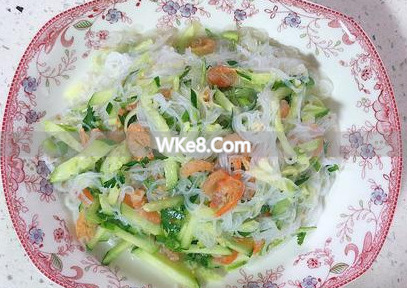
The finished dried shrimps mixed with vermicelli look particularly good. The white vermicelli is shiny, green cucumber shreds are embellished inside, golden red sea rice can be faintly seen, white sesame seeds are scattered on top, and the fragrance is very layered. What you eat is the spiciness of garlic and the mellowness of sesame oil. When you chew it, the vermicelli is very smooth, the cucumber is crunchy, and the most surprising thing is the dried shrimps - it absorbs enough water and releases some salt when it is soaked. The rest is a concentrated ocean flavor. The moment you bite into it, it is delicious and juicy. What's even better is that the vermicelli at the bottom of the plate has completely absorbed the bowl of "sea rice water". Every bite seems to have a vague and endless freshness, with a unique flavor that can make people have endless aftertaste.
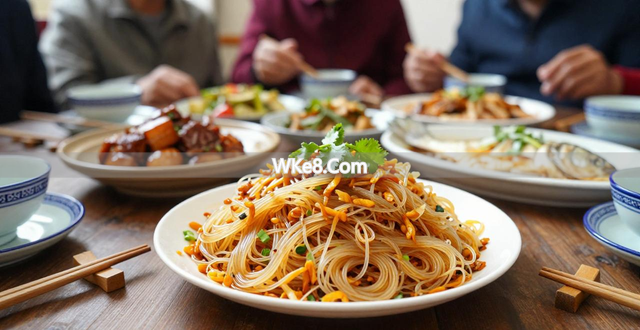
This dish, in the memory of Jiaodong people, is an indispensable "mouth-clearing" dish at banquets during festivals, weddings and funerals.
It can not only be placed in elegant and solemn halls, and be compared with big dishes such as sea cucumbers braised with green onions and braised prawns, but it can also enter the homes of ordinary people and become a refreshing dish to accompany meals and drink in the summer evening.
The fishing village is located in Rongcheng, Weihai. The older generation still enjoys a plate of warm cornmeal pancakes in the winter and sips the familiar taste of hometown.
What it carries is not only the sense of satisfaction brought by the taste buds, but also the Jiaodong Peninsula's ultimate and deep-rooted pursuit of the original taste of the ingredients, and the unchanging persistence of traditional craftsmanship.
If you are eager to experience the most authentic Shandong taste, then you might as well try it yourself, so that this seemingly ordinary cold dish will make your dinner table amazing with its fresh fragrance.
Comments NOTHING