
The living design genes are not traditional patterns like retro symbols. While Chinese designers were looking for inspiration with "Kao Gong Ji", the Paris fashion circle was exploring the color matching logic of Qing Dynasty multicolored porcelain. In 2023, a luxury brand caused heated discussions due to the plagiarism of a horse-faced skirt, which fully proved that traditional culture has become a shared resource library in the global design community. Behind this debate, five thousand years of aesthetic accumulation are reshaping modern people’s visual experience.
The visual revolution of Chinese character design
The "Chinese Premium Font Project" released by Founder Font in 2024 has now completed the digitization of 45 fonts of famous fonts from past dynasties. This system restored 324 Chinese characters in Wang Xizhi's "Lanting Preface" and also used AI technology to apply the calligrapher's stroke logic to the construction of simplified fonts. Designer Lin Tao rebuilt the interactive interface of Huawei's Hongmeng system using Yan Zhenqing's regular script, allowing users to appreciate the bones of Tang Dynasty calligraphy while swiping their phones.
At the opening ceremony of the Beijing Winter Olympics, there was a short film of "Twenty-Four Solar Terms Countdown". The names of each solar term were presented in the corresponding calligraphy fonts. Zhao Mengfu's gentle running script was used for the beginning of spring, and Jin Nong's lacquer calligraphy was used by Daxue to show the sense of weight. This precise matching of fonts and artistic conception allows traditional characters to be reborn in contemporary media.
Spatial translation of ink artistic conception
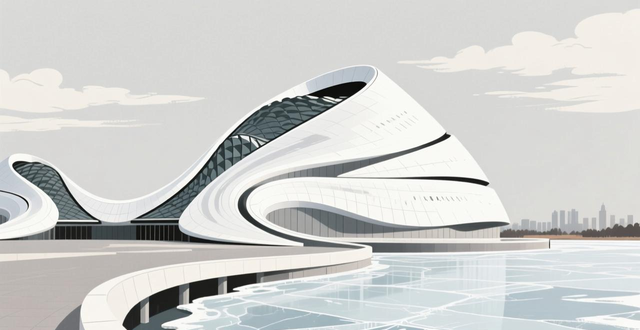
As an architect, Ma Yansong transformed the ink painting ideas that represent the concept of blank space into architectural forms during the design process of the Harbin Grand Theatre. The curves formed by the white aluminum plates are like brushstrokes on rice paper, forming a virtual and real contrast with the ice surface of the Songhua River. This processing allows 2 million viewers every year to experience a three-dimensional ink space experience before watching the opera.
The designer of the 2025 spring and summer haute couture series titled "Dreams in the Garden" is Guo Pei, who transformed the chamfering method of Song Dynasty landscape paintings into lace patterns. She deconstructed the raindrop chamfers in Fan Kuan's "Travel to Streams and Mountains" into about 3,000 hours of hand embroidery. When the model moves, the mountainous texture on the hem of the clothes flows with the light. As a result, this set of clothing works was permanently collected by the Metropolitan Museum of Art.
Contemporary decoding of traditional colors
In the two years after the release of the "Chinese Traditional Color Spectrum", the Color Research Institute of the China Academy of Art produced relevant results, which have been purchased and used by more than 2,000 design institutions. Among them, 118 traditional colors extracted from the Forbidden City collection are unique. On the basis of the Pantone color card, it also adds its cultural meaning dimension. When the designer used the "Tianzhen" color for the visual identity system of its new energy brand, this special color for the Northern Song Dynasty sacrificial clothing unexpectedly fit the concept of environmental protection.
The popularity of the TV series "Twelve Hours in Chang'an" has led to the popularity of "Tang Yun color system". Color combinations such as crimson and moxa green in the TV series have been used as eyeshadow palettes by the beauty brand Perfect Diary. Sales exceeded 500,000 pieces in the first month of the market. This color communication path shows that traditional culture is penetrating into daily life through consumer products.
Modern transformation of folk crafts
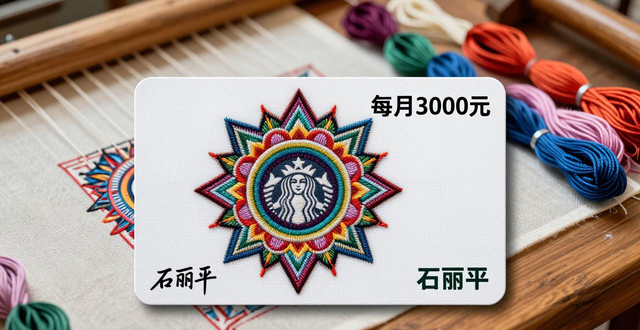
Shi Liping, the inheritor of Miao embroidery in Guizhou, cooperated with Starbucks to launch the "Embroidery Starbucks Card". The broken thread embroidery technique in the mountains has appeared in 3,000 stores across the country. Each card has the signature of the embroiderer on the back. The product, which sells for 88 yuan, has brought an additional monthly income of 3,000 yuan to local women. This design transformation not only retains the sun pattern totem of Miao embroidery, but also meets the size requirements of modern payment terminals.
In Jingdezhen Taoxichuan Cultural and Creative District, 23,000 young makers gather here. Among them, they used 3D printing technology to improve the shape of blue and white porcelain from the Song Dynasty, and used shadow green glaze on the shell of Bluetooth speakers. In 2024, sales of cultural and creative products exported here will exceed 8 billion yuan, which proves that traditional craftsmanship can become a productive force in modern design.
Contemporary expression of architectural language
The kind imitated by 87 residential projects across the country is the stone rockery of the Suzhou Museum. This method of recreating Mifu's landscape uses gray marble slices. It is essentially using modern materials to reconstruct the traditional artistic conception. The seeds planted by designer I.M. Pei thirty years ago have now grown into a unique "new Chinese" landscape language in the field of real estate development.
The celadon screen door of the Hangzhou National Edition Museum has sparked heated discussion in the architectural community. Each Longquan celadon door leaf is 7 meters high and weighs 2 tons. It combines the porcelain firing process with the architectural structure. When opening and closing, the plum celadon glaze color will change with the light. Such an experiment has given new application scenarios to traditional materials in public buildings.
Local strategies in a global context
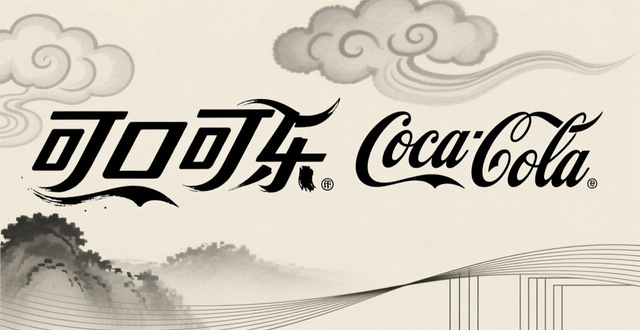
The characteristics of the English font of the Spencer font are maintained, while the strokes showing the whitening effect of the brush are the Chinese fonts designed by designer Chen Youjian for Coca-Cola. This font covers all Coca-Cola packaging in mainland China and reaches more than 1 billion consumers every year. This design proves that localization is not a collage of symbols, but a translation of cultural logic.
The "Digital Sutra Cave" project was jointly launched by the Dunhuang Academy and Tencent. In just three months after its launch, the number of visits exceeded 100 million. The project uses a game engine to restore the painted textures of the Tang Dynasty grottoes. Users only need to click on the screen to see the order of strokes used by painters thousands of years ago. Such technological transformation has transformed cultural heritage into a design resource library, thereby providing open materials for designers around the world.
Among the items you have purchased recently, which ones have made you clearly appreciate the innovative use of traditional elements? Feel free to share your “national trend” design cases in the comment area.
Comments NOTHING